Hi-Fi Hall of Fame
People Inductee
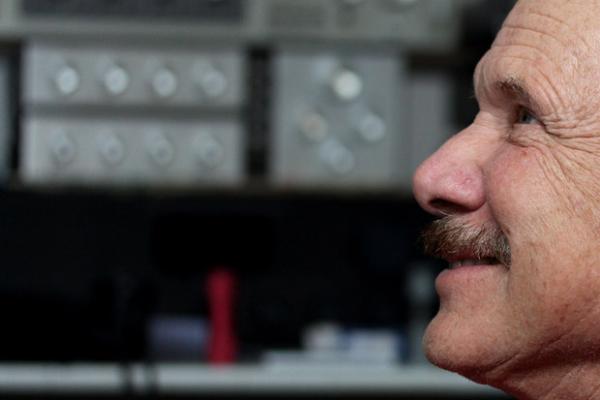
Bob Carver
Introduction
Our next inductee is Bob Carver, a visionary audio engineer and designer whose work has shaped the way we experience sound for over five decades. Carver’s career is a testament to his passion for pushing the boundaries of audio technology.
His journey began with a fascination for electronics and a keen ear for music. His education in physics and engineering provided the foundation for his groundbreaking designs, like the Phase Linear 700, which redefined the power and performance of consumer amplifiers in the 1970s. Throughout his career, he established several successful companies, including Carver Corporation and Sunfire, consistently challenging the status quo with innovative features like magnetic field power amplification and digital time lens technology.
Beyond his technical prowess, Bob Carver is known for his audacious spirit and willingness to break convention. His “Carver Challenges” in the 1980s, where he aimed to replicate the sound of high end amplifiers with his own more affordable designs, sparked industry debate and highlighted his unique approach to audio engineering.
Let’s take a look at the many accomplishments of Bob Carver to appreciate why he deserves to be in the Hi-Fi Hall of Fame.

Bob Carver: Founder of Four Outstanding Companies
In his long and illustrious career, Bob Carver founded four outstanding Hi-Fi companies and developed some outstanding products at each one.
The first company was Phase Linear, where he created the iconic Phase Linear 700 power amplifier and many other groundbreaking products.
The second company was Carver Corporation, famous for the “Amazing” series of loudspeakers and magnetic field power amplifiers.
His “third act” was to found Sunfire Corporation, where he developed some phenomenal subwoofers and electronics
His fourth and final company (so far) was the Bob Carver Corporation, which produced some eye catching amplifiers despite the challenges of starting a new enterprise in the midst of the COVID-19 pandemic.
Let’s explore these four companies and some of their most iconic products.
Phase Linear
Bob Carver’s first company was Phase Linear, founded in 1970 by Carver and Steve Johnston in Snohomish County, Washington. Carver, who had worked to become a physicist, used his background and practical experience repairing television sets to design high power audio amplifiers.
The story goes that, in 1969 while pursuing his Masters Degree, Carver built a 700-watt amplifier prototype housed in a coffee can. The story of the “coffee can amplifier” is a popular piece of audio lore surrounding Bob Carver’s early work and the development of the Phase Linear 700. The prototype worked and so the two founders started Phase Linear to produce a commercial version of the amplifier.
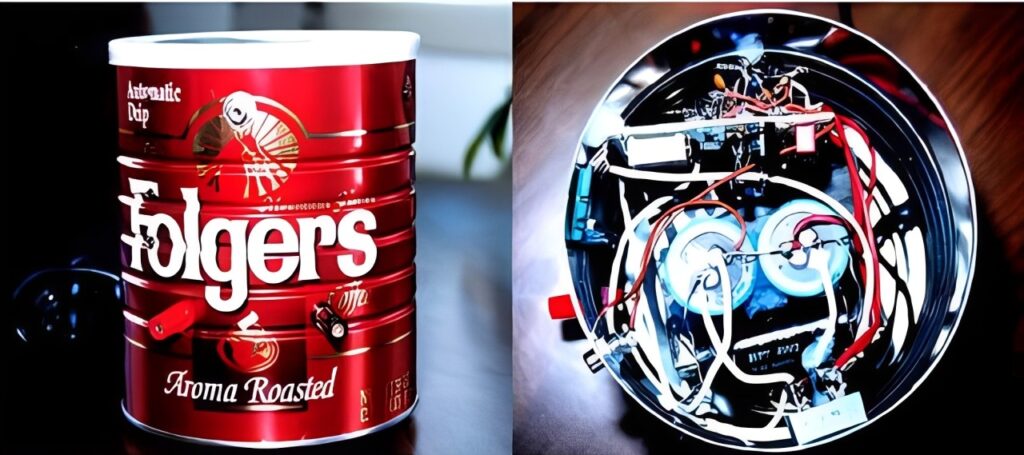
For about 10 years, Phase Linear created a number of innovative Hi-Fi products. In 1979, Carver sold the company to Pioneer Corporation. Here are a few of those Phase Linear components.
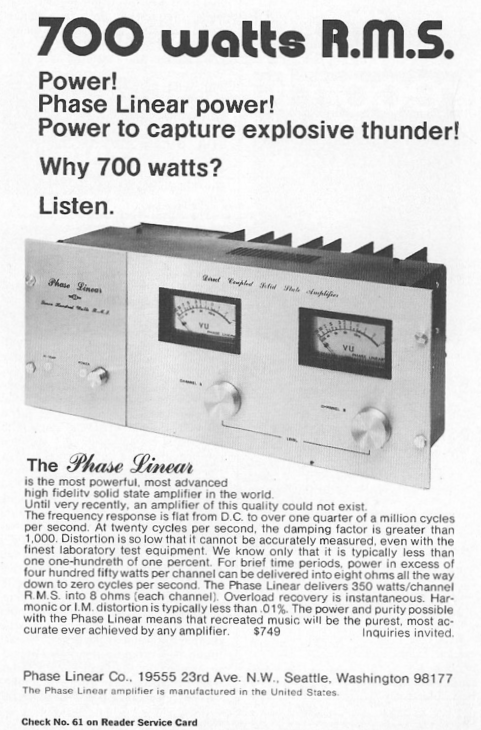
Phase Linear 700
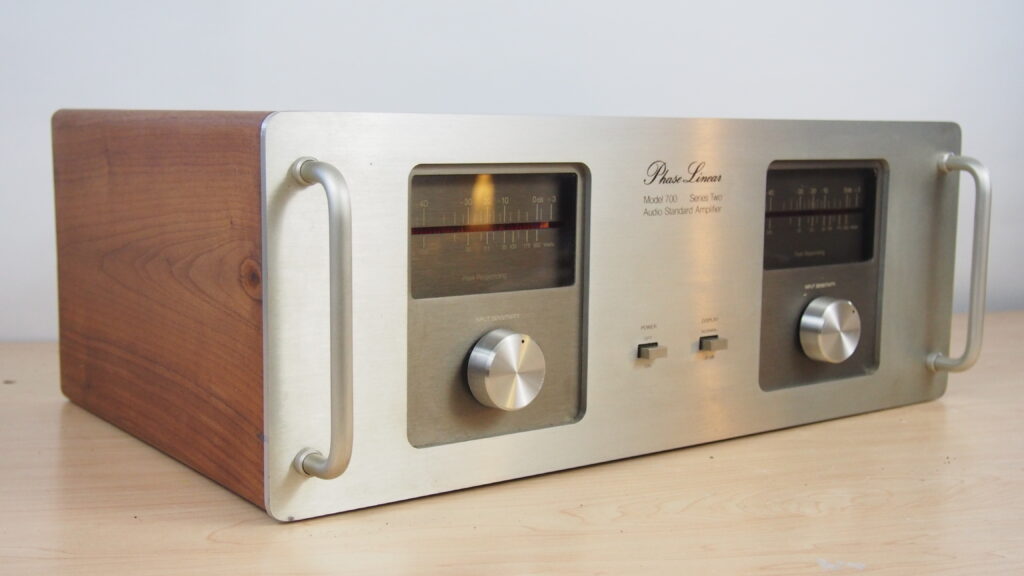
Introduced in 1972, the Phase Linear 700 was a seismic event in the world of high-fidelity audio, instantly setting a new benchmark for consumer power amplifiers. It delivered a colossal 350 watts RMS per channel into 8 ohms—a staggering figure at a time when the most powerful competing amps rarely exceeded 100 to 150 watts.
Priced at just over a dollar per watt, the Model 700 made clean, high power accessible to a wider audience, immediately becoming a favorite among audiophiles, recording studios, and sound reinforcement professionals. Its massive output was necessary to drive the relatively inefficient acoustic suspension speakers popular in the 1970s.
Visually, the amp was defined by its imposing, silver-faced, rack-mountable chassis, dominated by large, dual analog VU meters. While renowned for its tight bass and dynamic authority, the 700’s complex, high-voltage design (made possible by innovative output transistors originally for auto ignition systems) also earned it a reputation for being temperamental, particularly the earlier versions, until protective circuitry was refined. The 700 is now revered as a monumental piece of vintage audio history.
The Phase Linear 700 was inducted into the Hi-Fi Hall of Fame in 2025. Click here to read our profile of this fantastic amp: hifihalloffame.com/equipment/phase-linear-700/
Phase Linear 400
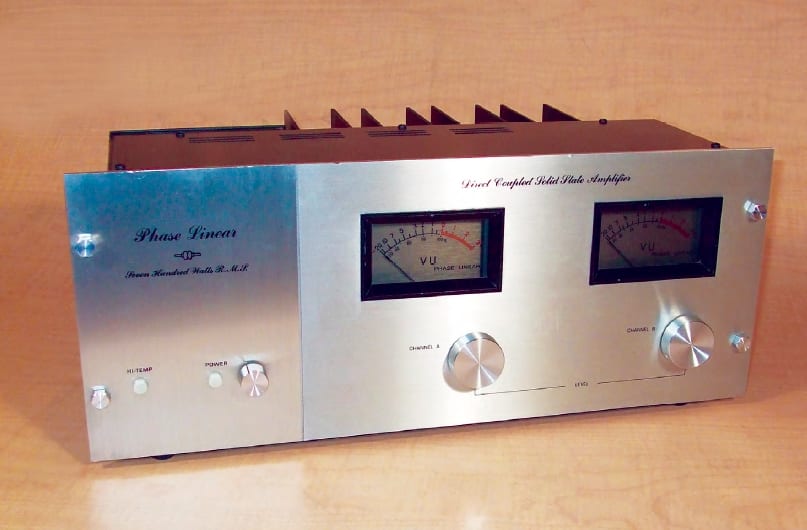
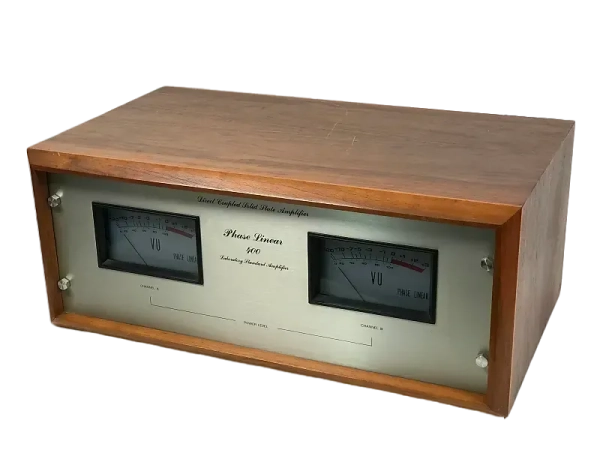
The Phase Linear 400 was the second power amplifier released by Bob Carver’s company, following the monumental Model 700. It was essentially the little brother to the 700, offering massive power for its time at a more affordable price point.
The original Model 400 delivered 200 watts RMS per channel into 8 ohms, which was still an immense amount of power in the early 1970s. It shared the distinct, imposing brushed aluminum aesthetic and large, dual analog VU meters of the 700, making it instantly recognizable as a Phase Linear product. Like the 700, the 400 was designed to drive demanding, low-efficiency speakers with authority and minimal distortion, appealing to serious audiophiles and professionals.
Phase Linear 4000 and 1000
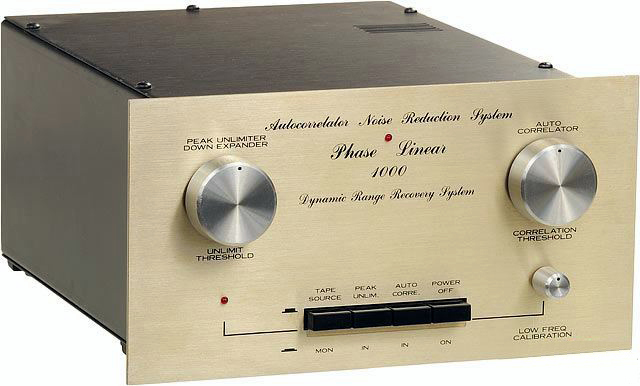
The Phase Linear Model 4000, introduced in 1973, stands as a monument to technological ambition in the golden age of hi-fidelity audio. Designed by Bob Carver and Bill Skinner, this preamplifier transcended its role as a simple signal amplifier, offering sophisticated signal processing features that defined its identity. The central innovation was the Auto Correlator, a noise reduction system that effectively minimized both high-frequency tape hiss and low-frequency vinyl rumble without requiring specially encoded source material. This feature positioned the 4000 as a solution for improving the quality of existing record libraries.
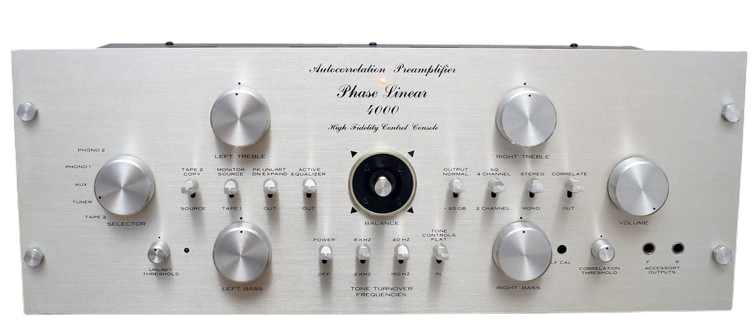
Beyond noise reduction, the unit incorporated a Peak Unlimiter, an expansion circuit designed to restore the dynamic range that was often compressed during recording sessions, providing a more “live” acoustic feel. It also catered to the brief but intense quadraphonic trend, featuring a built-in CBS SQ decoder and, in its initial version, a distinctive joystick control for four-channel balance. The combination of these advanced features—including its unique, switch-selectable tone controls—solidified the 4000’s reputation as a flagship product for the brand, matching the audacity of Phase Linear’s ultra-high-powered amplifiers.
However, the unit’s complexity also formed its most significant legacy challenge. The dense internal structure, especially the use of numerous circuit boards in the early models, made the 4000 famously difficult to maintain and repair, earning it a mixed reputation for reliability. Despite these quirks, the Phase Linear 4000 remains a highly sought-after piece of vintage gear, celebrated for its bold design philosophy and its pioneering attempt to bring sophisticated audio restoration capabilities into the consumer market.
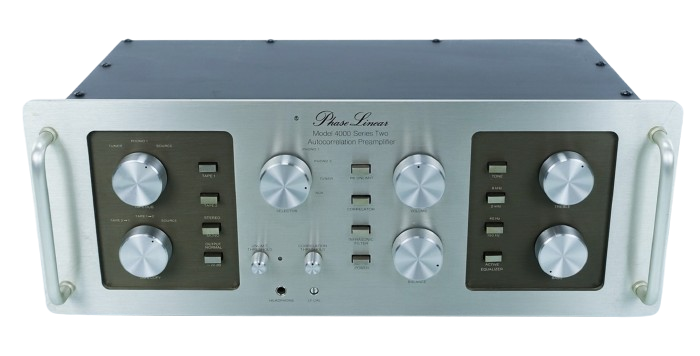
Phase Linear also produced a standalone signal processing component, the Phase Linear 1000, with the Auto Correlator and Peak Unlimiter functions that could be added to an existing Hi-Fi system.
Phase Linear Andromeda Loudspeakers
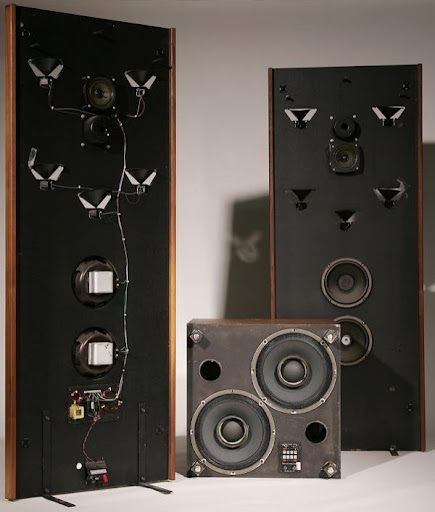
The Phase Linear Andromeda Speaker System was a unique and ambitious loudspeaker produced in the mid-1970s. It represented Phase Linear’s foray into the speaker market and was designed to achieve a massive, realistic soundstage.
Unlike conventional box speakers, the Andromeda was a large, multi-component system designed for wide dispersion audio. It used a blend of forward-firing, side-firing, and upward-firing drivers with reflector cones to project sound in multiple directions, aiming to create a sense of spaciousness and depth similar to a live concert hall.
Carver Corporation
Bob Carver transitioned to a new business in 1979 when he sold his interest in Phase Linear and established the Carver Corporation. This new venture lasted fifteen years and yielded a host of groundbreaking products. His innovations included the revolutionary Magnetic Field Amplifiers, FM tuners and receivers utilizing Asymmetrical Charge-Coupled Detection, and preamplifiers and receivers featuring his signature Sonic Holography processing. Many of these distinctive Carver components are still highly regarded by enthusiasts and sought after as audio classics today.
The “Carver Challenge”
The “Carver Challenge” was a famous and controversial marketing and engineering feat executed by Bob Carver in the 1980s that dramatically challenged the high end audio industry’s reliance on price and esoteric components.
Carver publicly offered to take any high end, extremely expensive audio power amplifier and, within a short period (typically 48 hours), modify one of his own far more affordable, mass-market amplifiers to sound indistinguishable from the reference amplifier.
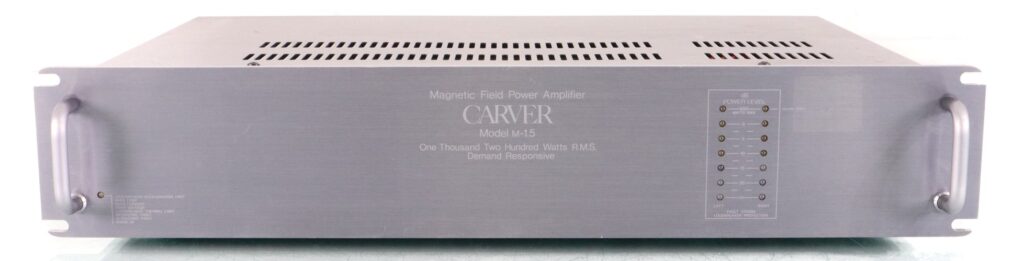
In 1982, Carver accepted a challenge from The Audio Critic magazine to duplicate the sound of a highly respected (and expensive) Mark Levinson ML-2 solid-state amplifier. He succeeded, and the resulting amplifier was marketed as the Carver M-1.5t (the ‘t’ standing for transfer function modified).
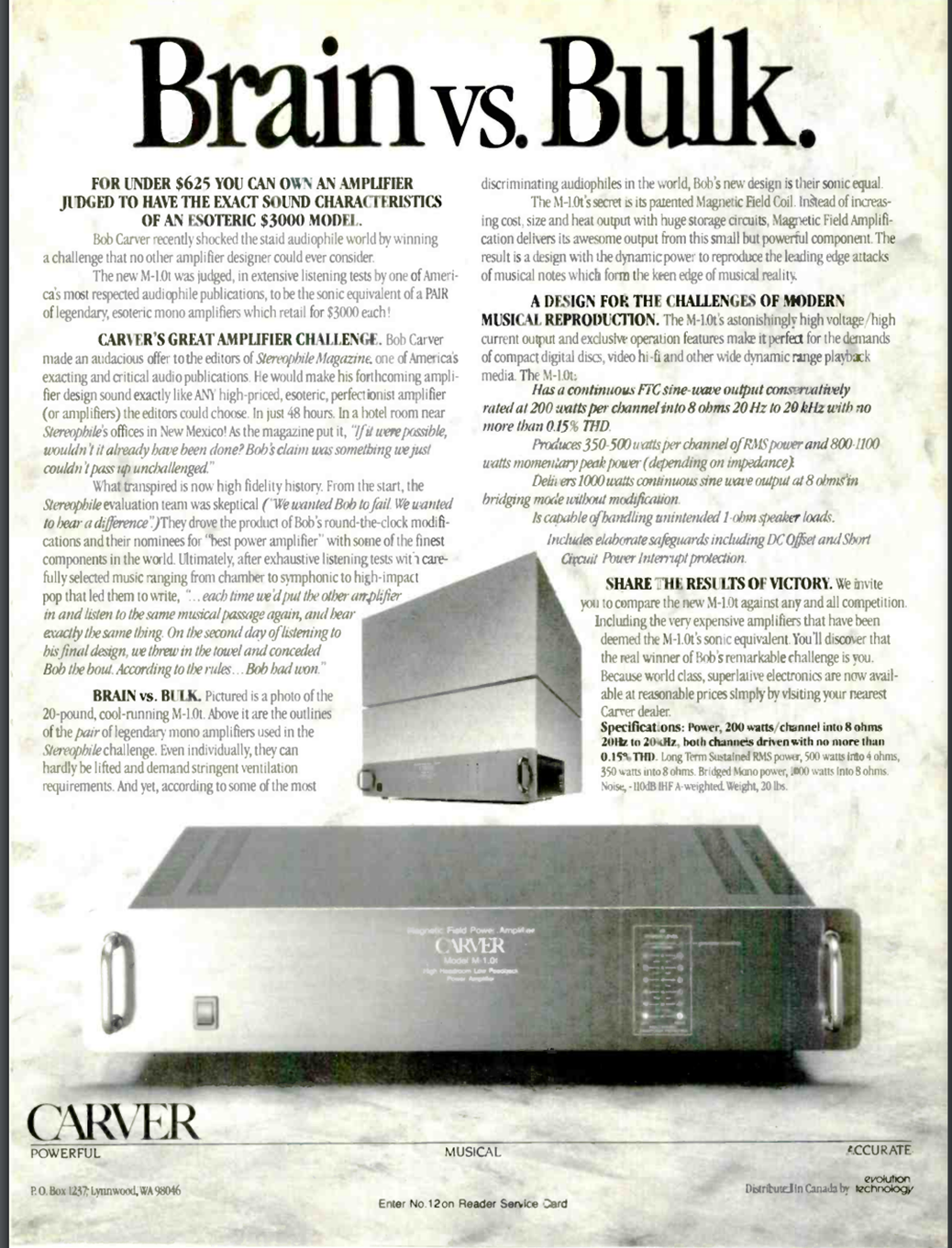
In 1985 the prominent high end magazine Stereophile challenged Carver to copy the sound of a Conrad-Johnson Premier Five vacuum tube amplifier. Carver, working in the magazine’s offices with no access to the reference amplifier’s internal circuitry, successfully duplicated its “sonic signature.” The resulting model was marketed as the Carver M-1.0t. Here’s an advertisement for the M-1.0t.
Carver Magnetic Field Power Amplifiers
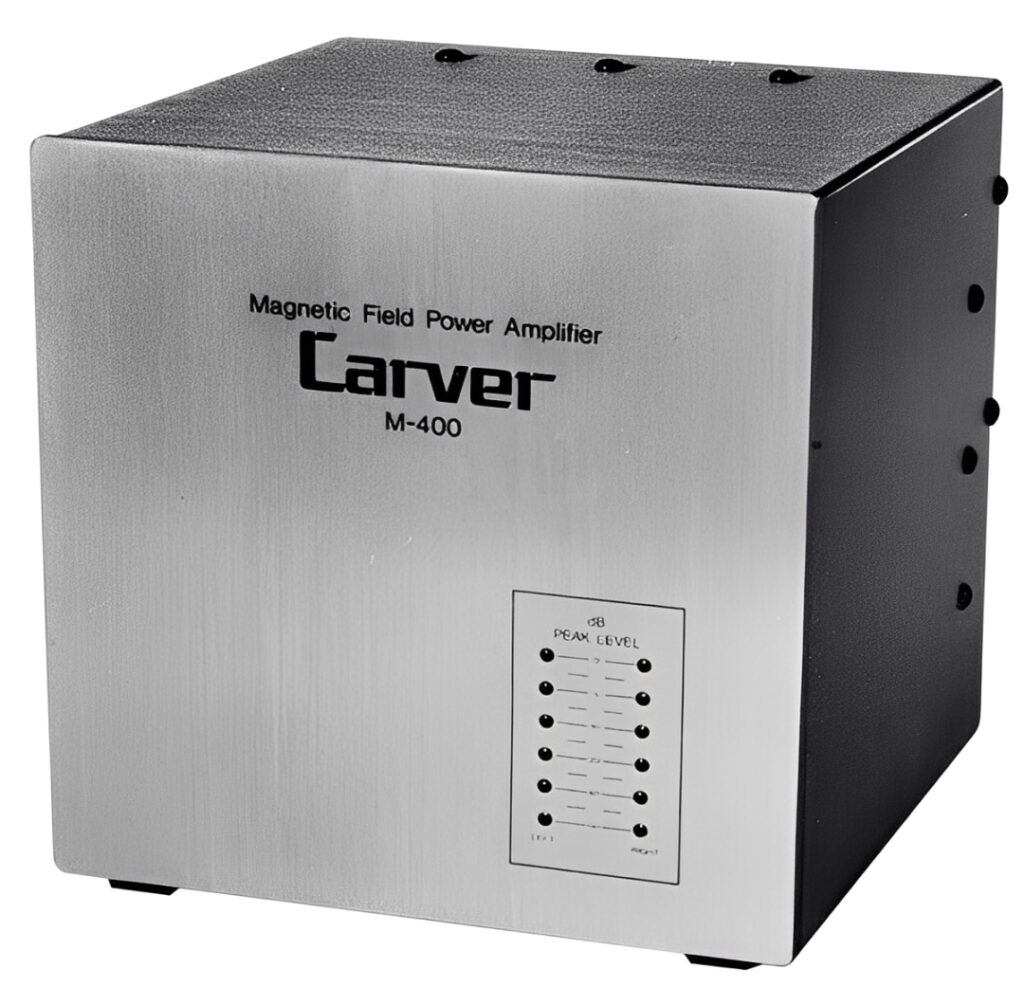
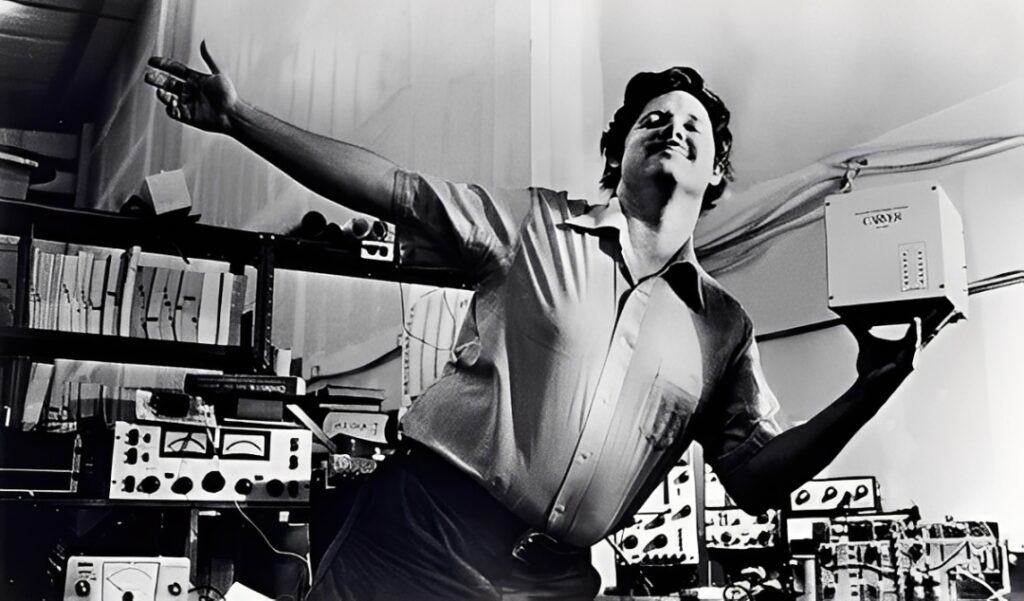
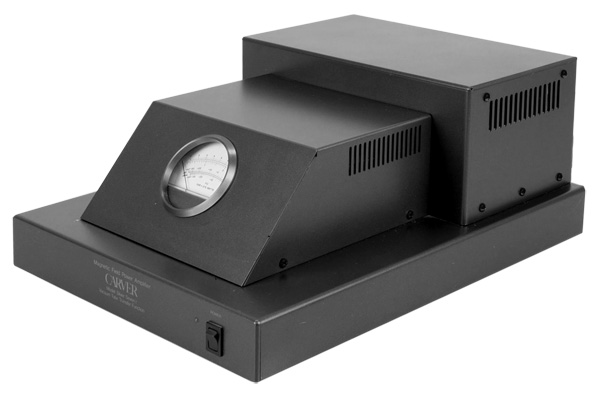
Over the years, Carver Corporation produced a series of affordable power amplifiers using a novel Magnetic Field Amplifier (MFA) technology. Models include the M-500t, M-400t, M-200t, and Carver Receiver.
The MFA system was Carver’s ingenious solution to a fundamental problem in audio: delivering massive power required massive, heavy, and expensive conventional power transformers. Carver’s approach replaced the enormous toroidal transformers and huge capacitor banks with a dynamic, lightweight, and smaller “magnetic field coil” power supply. This design was highly efficient, only drawing high current during the actual musical peaks when the power was needed. This innovation allowed Carver to produce amplifiers capable of hundreds of watts per channel in a chassis that was dramatically smaller, lighter, and more cost-effective than competitors’ models.
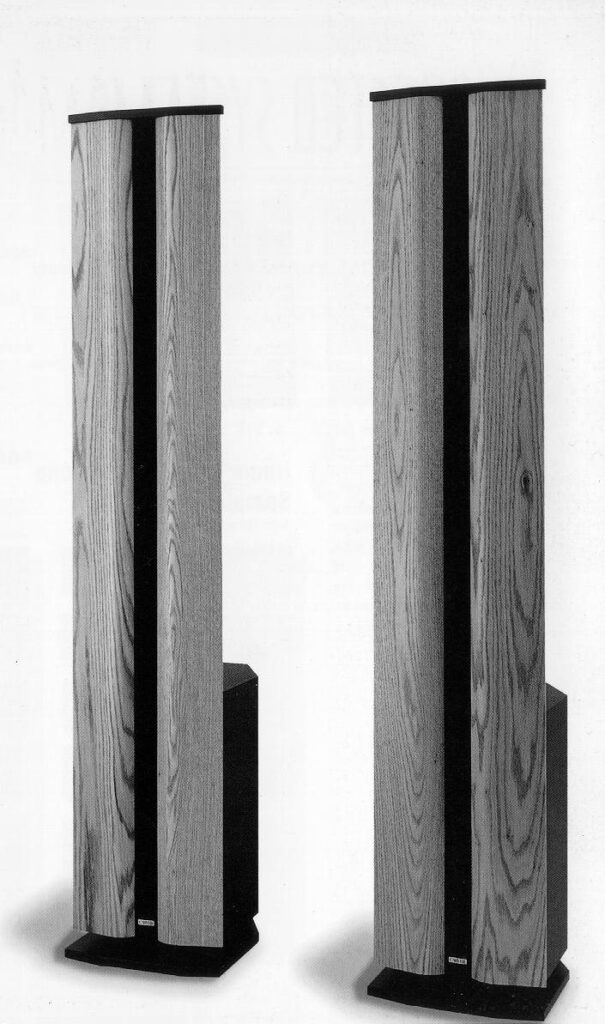
Carver “Amazing” Loudspeakers
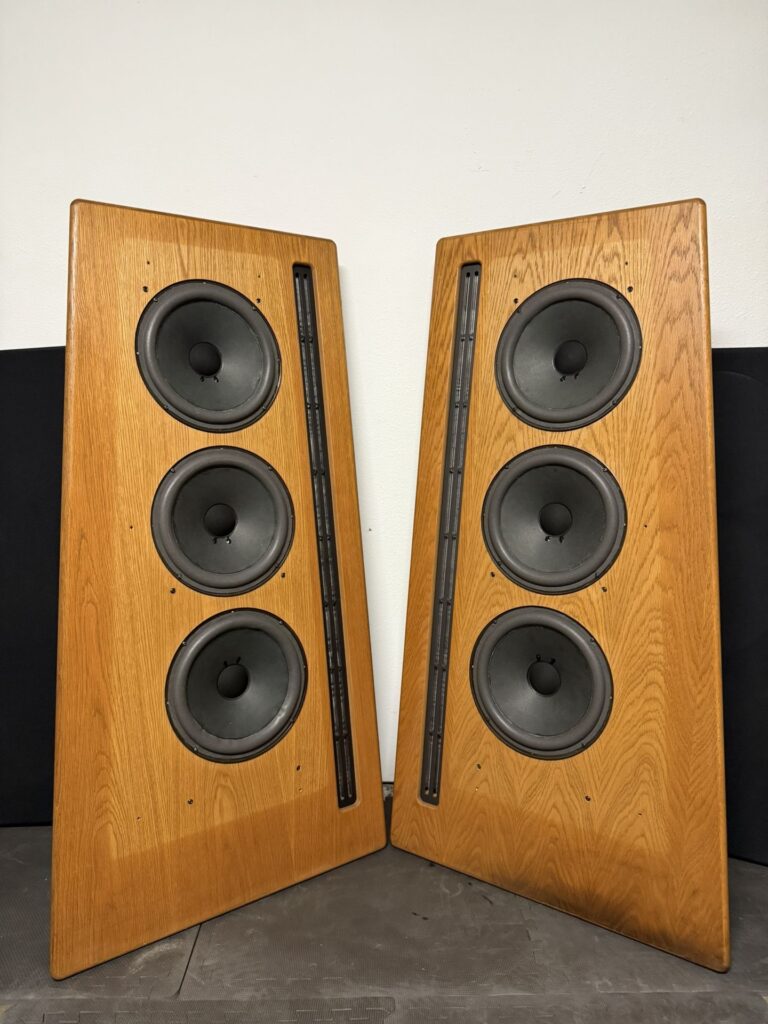
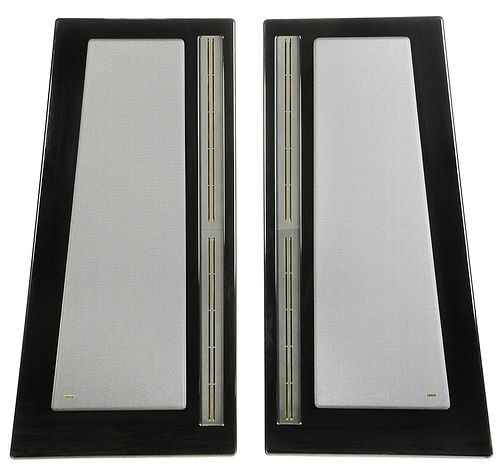
During his time at Carver Corporation, Bob Carver doubled down on loudspeaker design with the “Amazing Loudspeaker” series. This project was an ambitious departure from conventional speaker design, blending exotic and traditional transducer technologies. The key feature was the use of wide range ribbon drivers for the mid-range and high frequencies, paired with multiple cone drivers (woofers) for the low bass.
Ribbon drivers are renowned for their incredible speed, clarity, and transient response, offering a detailed and expansive soundstage. By using them for the critical upper frequencies and augmenting them with conventional, high-output cone woofers for the power-intensive bass, Carver created a hybrid system that offered the best of both worlds: detail and dynamic impact. The line included various iterations like the Amazing Platinum, Amazing Silver, and the smaller AL-III models.
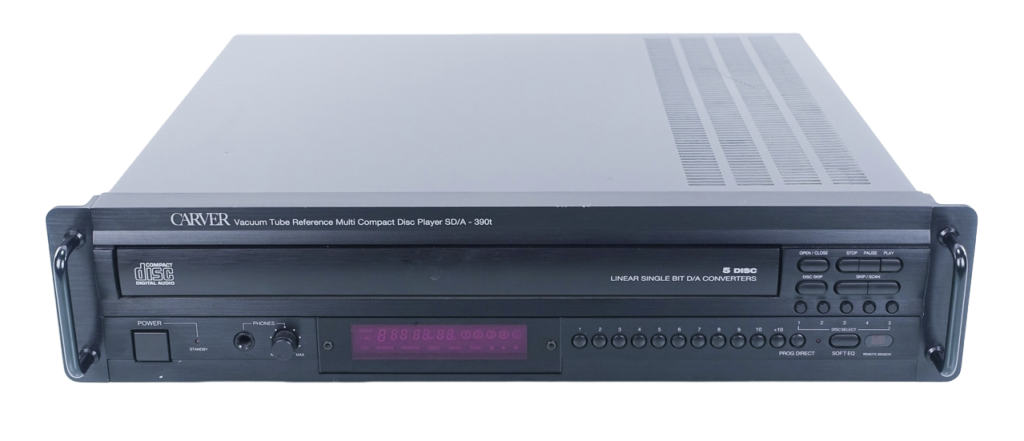
Carver SD/A-390t CD Player
Bob Carver never lost his fascination for tubes during his Carver years. He worked one into the output stage of his SD/A-390t CD Player (still highly sought after) and delighted in showing that a single glowing valve could give even the most clinical digital gear a touch of analog magic.
Carver Silver Seven
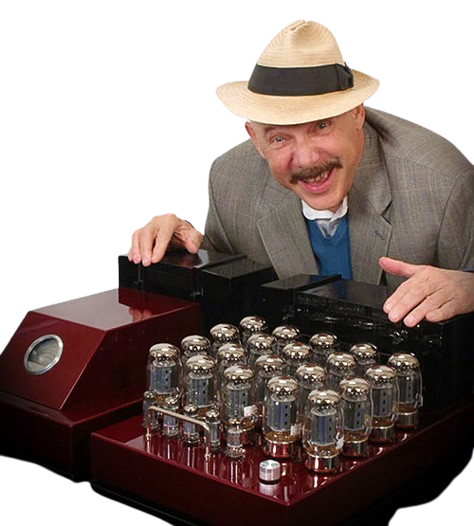
Carver created the “cost no object” Silver Seven power amplifier—a design that pushed far beyond the company’s usual emphasis on value and efficiency. The lineup ultimately included two versions: the Silver Seven, a monumental tube design, and later the Silver Seven-t, its solid-state counterpart.
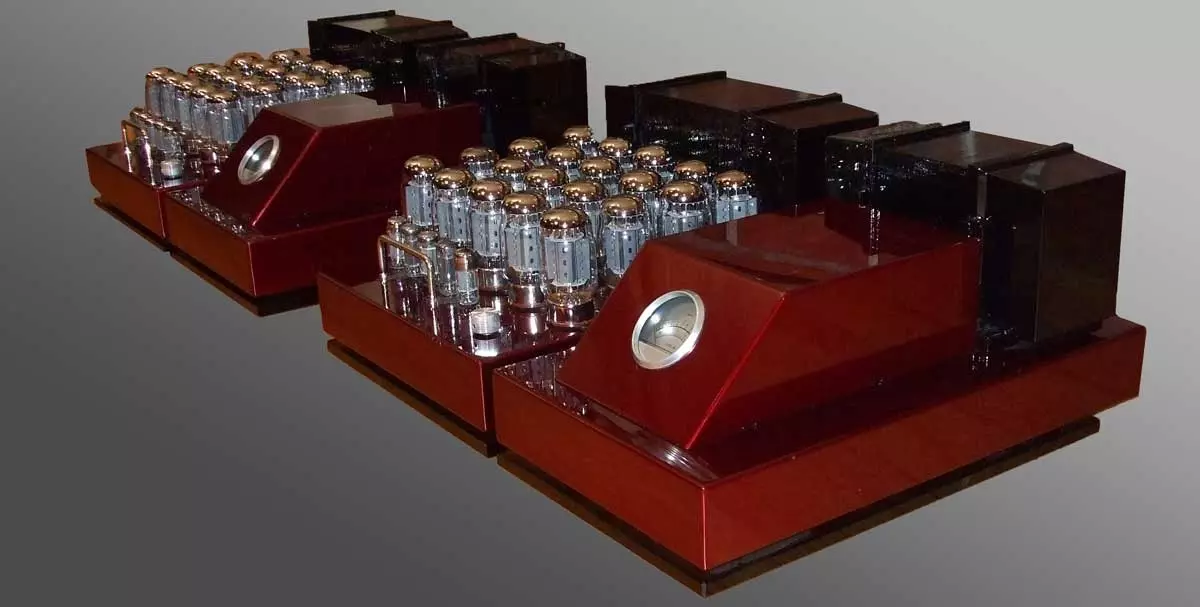
The original Silver Seven quickly became a legendary amplifier within the Carver catalog. It was Bob Carver’s uncompromising attempt to build the best amplifier he possibly could, with no regard for manufacturing cost, size, or complexity. Conceived as the polar opposite of his lightweight Magnetic Field Amplifiers, the Silver Seven was aimed squarely at the ultra-high-end audiophile market.
The monoblock tube version was physically and electrically imposing. It delivered extraordinary power for a vacuum-tube design—roughly 375 watts into 8 ohms—giving it the ability to command virtually any loudspeaker. Its chassis bristled with vacuum tubes, up to fifteen KT88s per channel, backed by massive custom-wound output transformers.
More than a product, the Silver Seven was a statement piece: proof that Carver could compete with the most exotic and expensive amplifiers in the world, and a showcase of Bob Carver’s engineering imagination at its most unrestrained.
Carver Preamplifiers and Amplifiers
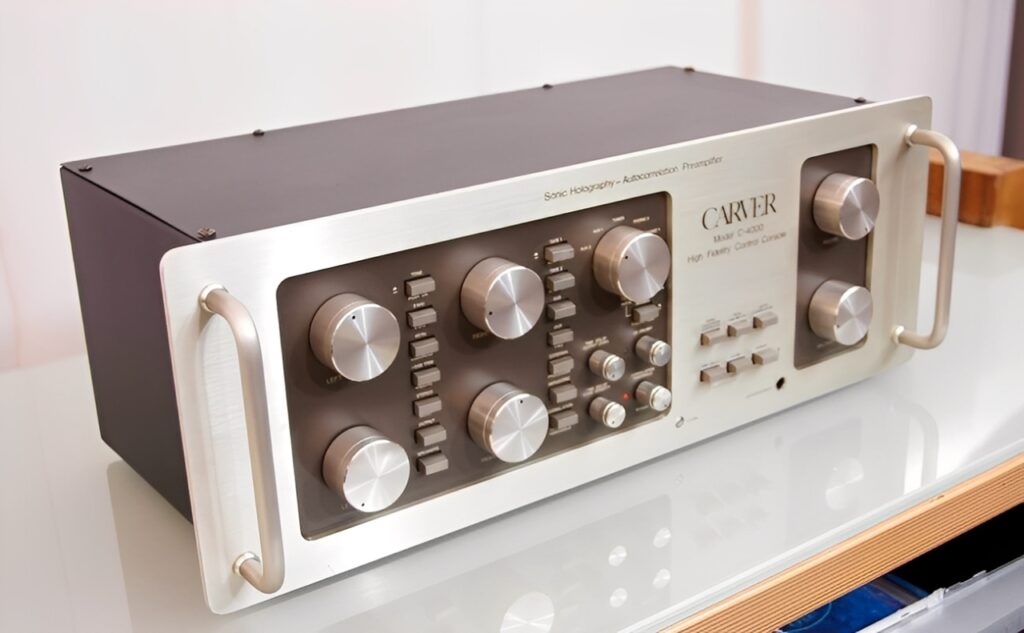
The Carver C-4000 was one of Bob Carver’s most ambitious preamplifier designs and a defining product for the Carver Corporation. It represented Carver’s early fascination with psychoacoustics—particularly his desire to recreate a three-dimensional soundstage from ordinary two-channel recordings.
At the heart of the C-4000 was Sonic Holography, Carver’s patented signal-processing technology that introduced carefully calculated interaural crosstalk cancellation. The effect opened up the soundstage so dramatically that the preamplifier became a cult favorite among audiophiles who prized spacious, immersive playback. Beyond its holographic capabilities, the C-4000 was packed with features unusual for the era: sophisticated phono equalization, dual recording loops, parametric-style tone shaping, and advanced noise-reduction options. It was, in every sense, a “laboratory preamp” for serious listeners, and it cemented Bob Carver’s reputation as an innovator willing to challenge conventional audio engineering.
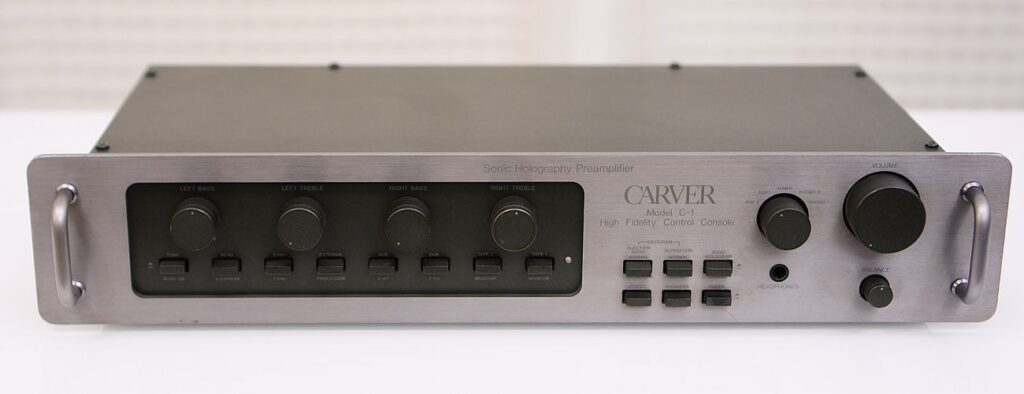
Following the C-4000’s complexity, Carver introduced the C-1 to deliver the same engineering elegance in a cleaner, more streamlined package. Released in the early 1980s, the C-1 quickly became one of Carver’s most successful products.
The C-1 offered exceptionally low noise, wide bandwidth, and the kind of transparency that endeared it to both audiophiles and professional reviewers. It continued to feature Sonic Holography, but in a more refined form that integrated smoothly into two-channel listening without requiring extensive system setup. Its phono stage—still praised today—was unusually quiet and flexible for its price range. The C-1 struck the balance Bob Carver was famous for: reference-grade performance at a price that many people could afford. Decades after its release, it remains one of the most modified and restored Carver components in the enthusiast community.
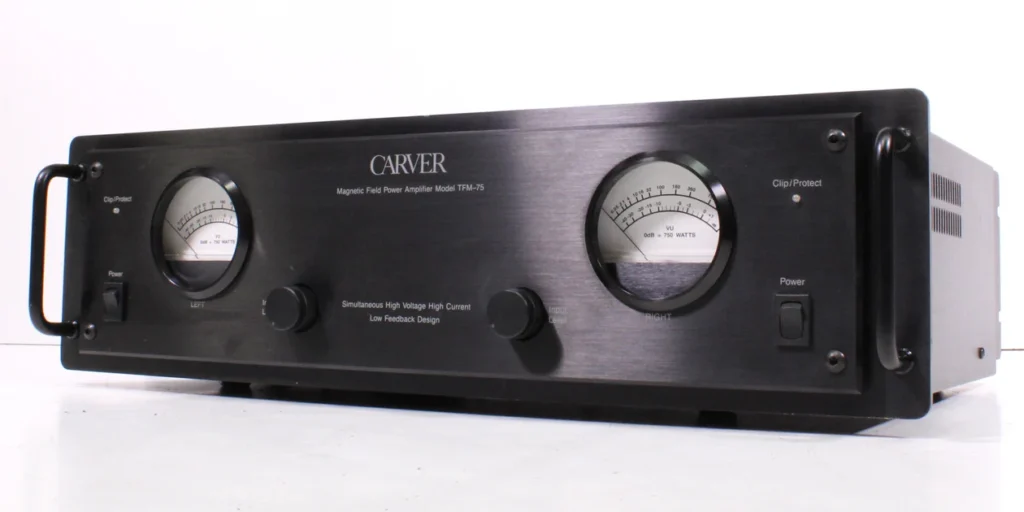
The TFM (Transfer Function Modified) series represented Carver’s determination to deliver high power amplifiers and high fidelity without resorting to huge, heat-soaked chassis or outlandish price tags. Using principles derived from his earlier Magnetic Field Amplifier designs, Carver engineered the TFM line to emulate the precise transfer characteristics of some of the world’s most respected reference amplifiers—hence the name.
TFM amplifiers were known for their high current capability, cool running, and stable performance across difficult speaker loads. Models such as theTFM-15, TFM-25, TFM-35, and TFM-55 offered serious, real-world power and low distortion, making them popular with both home audio enthusiasts and professional users. Carver also included features like true power meters, fully discrete output stages, and robust thermal protection, all without the weight and bulk associated with traditional high-power designs.
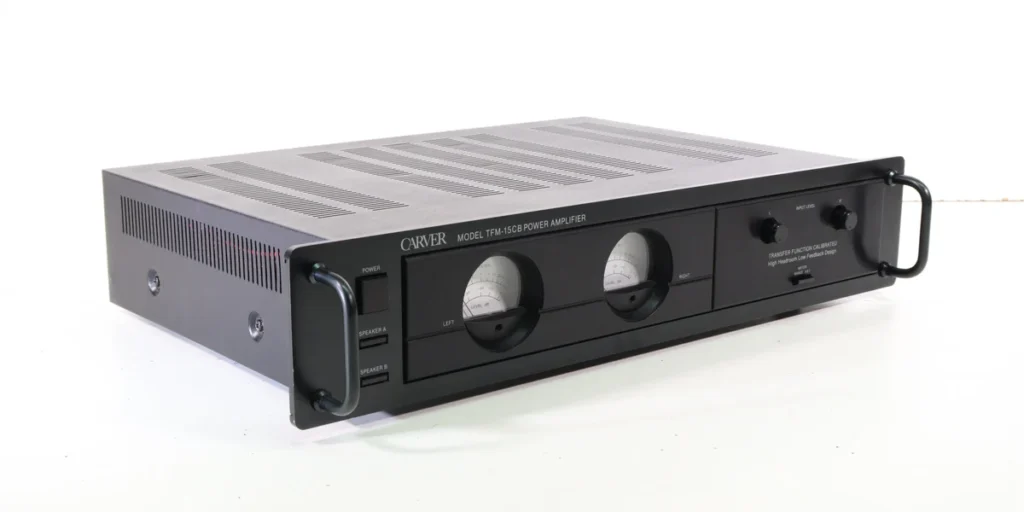
The TFM series embodied what many consider the core of Bob Carver’s philosophy: extracting the sound of elite amplifiers through clever engineering, not cost-no-object construction. For many audiophiles, a TFM amplifier paired with a C-1 or C-4000 became the quintessential “Carver system.”
Sunfire
In 1994, Carver moved on to create Sunfire Corporation. He could see that Hi-Fi was entering a new era where surround sound, home theatre systems, and powerful subwoofers would be just as important as conventional two channel systems, so he started a new company to address that market.
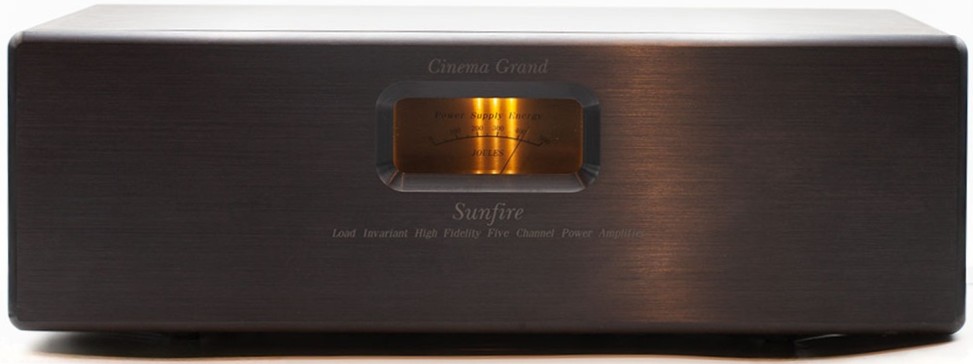
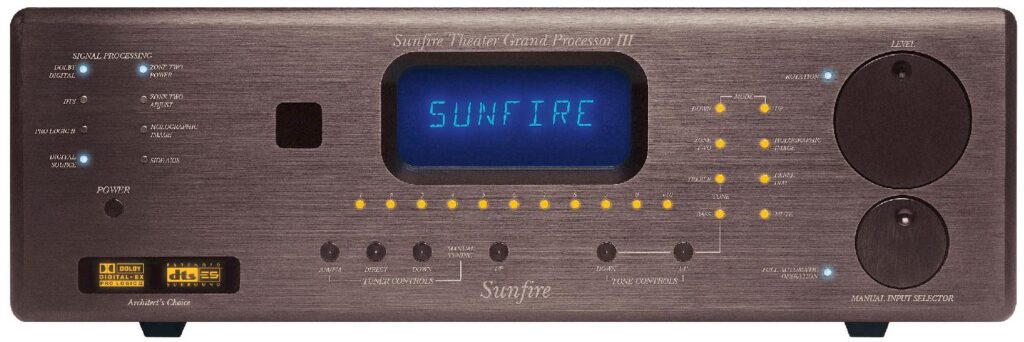
Sunfire Theatre Grand and Cinema Grand Amplifiers and Receivers
The Sunfire Theatre Grand and Cinema Grand amplifiers and receivers represented Bob Carver’s vision of high-performance home theater at a time when multi-channel audio was rapidly evolving. The Theatre Grand processors and receivers combined audiophile-grade signal paths with advanced surround-sound decoding, offering unusually clean, dynamic playback for both movies and music. Their architecture emphasized wide bandwidth, low noise, and robust video switching, all wrapped in a distinctive, understated industrial design.
Sunfire Subwoofers and Ribbon speakers
Sunfire’s subwoofers and ribbon speakers embodied Bob Carver’s talent for bending the rules of audio engineering. His compact subwoofers, powered by the innovative “Tracking Downconverter amplifier”, delivered astonishing bass from cabinets far smaller than competing designs. These “small boxes with big voices” produced deep, room-filling low frequencies while running cool and efficiently, redefining what a high-performance subwoofer could be. Models like the True Subwoofer became icons for their combination of size, power, and musical accuracy.
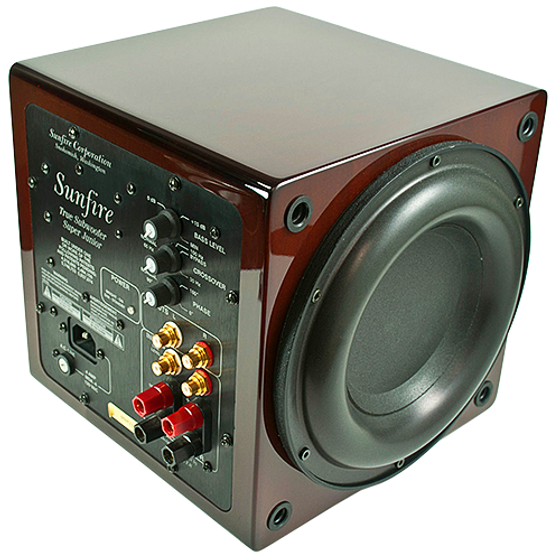
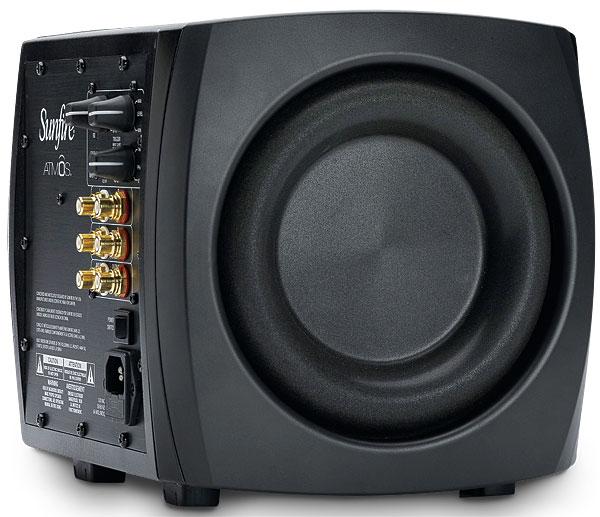
Sunfire Atmos was a 10 inch cube weighing 32 pounds sporting a pair of 6.5 inch woofers and a 1400 watt amplifier
Equally distinctive were Sunfire’s ribbon speakers, which showcased finesse rather than brute force. Their ultra-light ribbon drivers offered exceptional speed, clarity, and low distortion, capturing subtle details that conventional tweeters often missed. Paired with carefully matched woofers, these speakers provided an open, spacious soundstage ideal for both music and home theater.
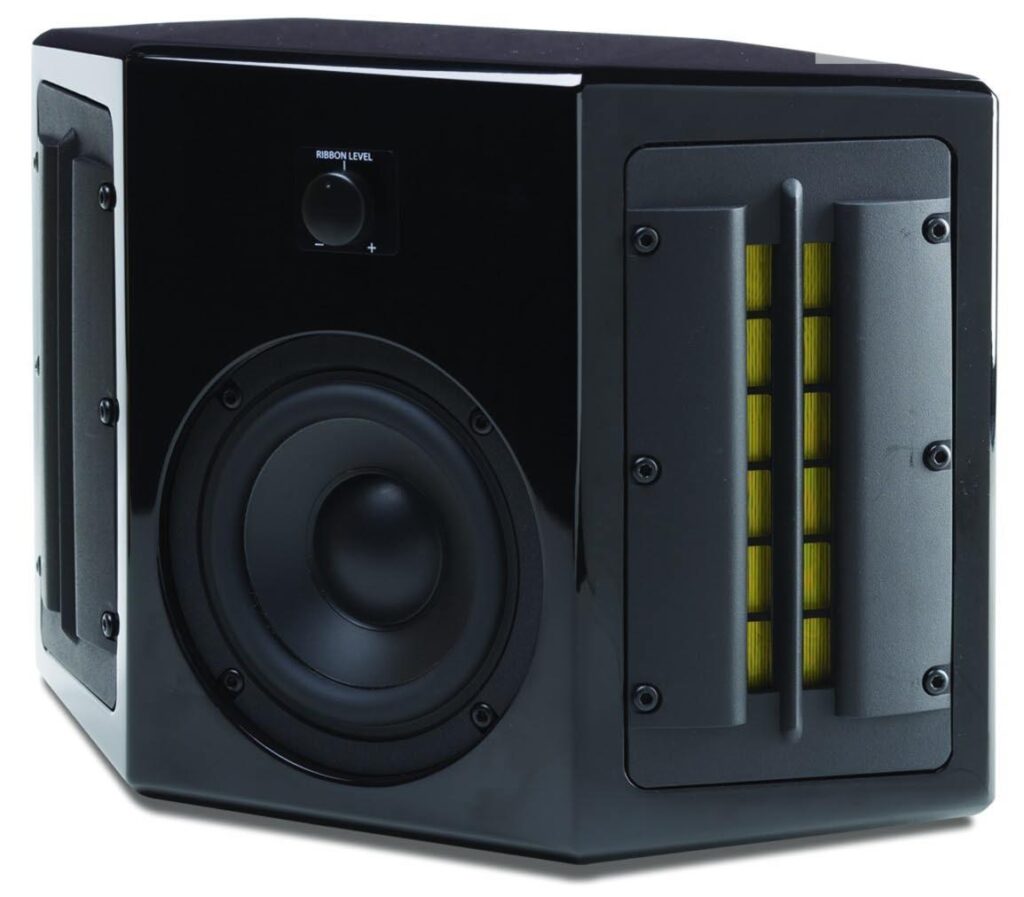
Together, Sunfire’s subwoofers and ribbon speakers demonstrated Carver’s unique ability to deliver extraordinary performance through bold, unconventional design.
Bob Carver Corporation
Bob Carver’s fourth (and final – so far!) company was Bob Carver Corporation, which he founded in 2011. The company went through some financial struggles, which were exacerbated by the COVID epidemic. Despite these challenges, the company produced a couple of noteworthy high end amplifiers.
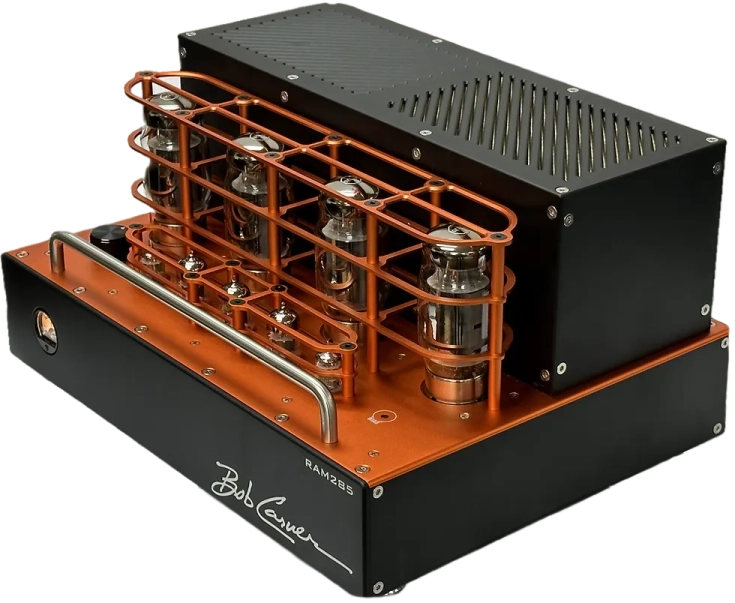
Bob Carver RAM 285 Amplifier
The Bob Carver Corporation RAM 285 (Reference Amplifier Model 285) stands as a testament to designer Bob Carver’s enduring commitment to high-fidelity audio, blending the warmth of classic vacuum tubes with modern engineering solutions. Introduced as a high-end stereo power amplifier, the RAM 285 was conceived to deliver the sonic signature of tube amplification while actively mitigating traditional shortcomings such as high heat and limited tube life.
Bob Carver RPM V12 Preamplifier
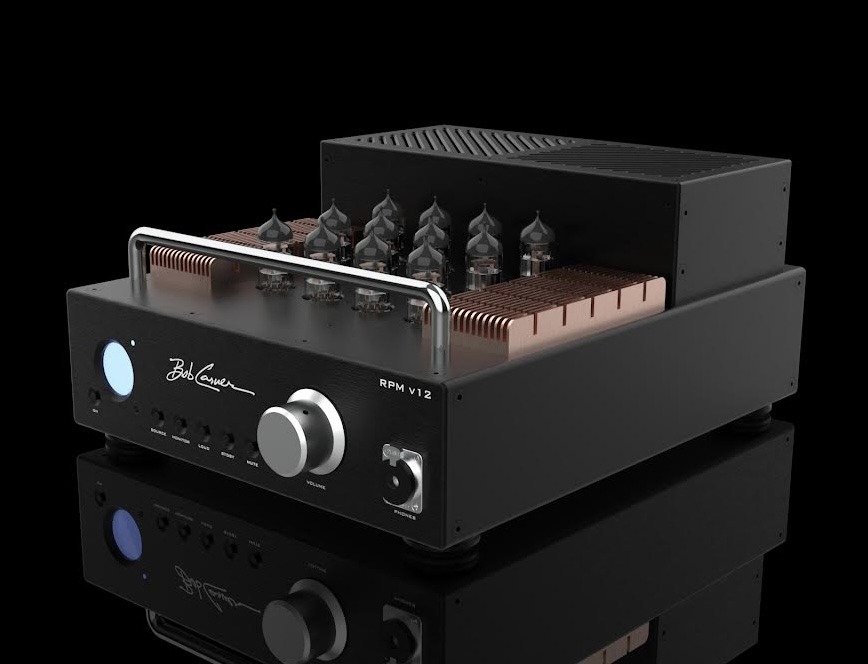
The RPM V12 (Reference Preamplifier Model V12) was the companion piece to the RAM 285 amplifier, serving as the flagship vacuum tube preamplifier for the Bob Carver Corporation.
The RPM V12 was a tube preamplifier known for its high tube count, utilizing twelve 12AX-family tubes to achieve an exceptionally low noise floor and rich sonic texture. It functions as a versatile control center, featuring a full-function phono stage with dedicated rear-panel switches for fine-tuning cartridge loading. Unlike some older tube designs, the V12 incorporated modern elements, including an advanced Microcontroller Unit (MCU) for smooth, safe operation, an infrared remote control, and a TFT (thin film technology) color display that shows source selection, volume, and tube run time. It also featured a high-quality, hybrid solid-state Class A headphone amplifier stage and utilized large, separated toroid power supplies to further minimize noise.
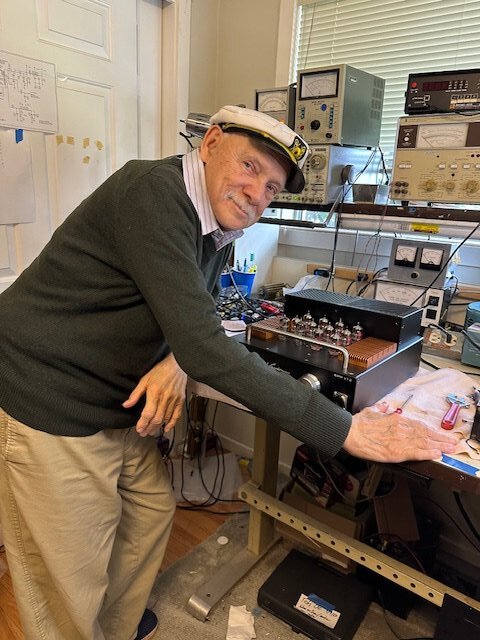
Sadly, as of late 2025, the Bob Carver Corporation has closed down and is no longer in business.
Bob Carver: Induction into the Hi-Fi Hall of Fame
Bob Carver is a brilliant engineer and has been a creative force in the Hi-Fi community for more than 40 years. He founded four outstanding companies and was the driving force behind dozens of innovative and exciting components.
Look at these astonishing accomplishments….
At Phase Linear, he helped to usher in the era of super powerful amplifiers with the Phase Linear 700 and created an entirely new category of equipment with the Auto-Correlator.
At Carver, he created some truly Amazing Loudspeakers, the novel magnetic field amplifiers, and some spectacular vacuum tube amplifiers.
Moving to Sunfire, he saw the trend towards home theatre systems and produced some extraordinary subwoofers, ribbon speakers, and home theatre electronics.
And finally at Bob Carver, he created a “no holds barred” Preamplifier and Power Amplifier combination.
Along the way, he was an enthusiastic audiophile and businessman with a passion for great sound and affordable equipment. He is a charismatic figure who captured the imagination of the Hi-Fi community with his Coffee Can amplifier and Carver Challenge. And most importantly, a great engineer who gave the world some awesome sounding and beautiful looking gear.
For all of these remarkable accomplishments, Bob Carver is inducted into the Hi-Fi Hall of Fame.