Hi-Fi Hall of Fame
2026 Inductee
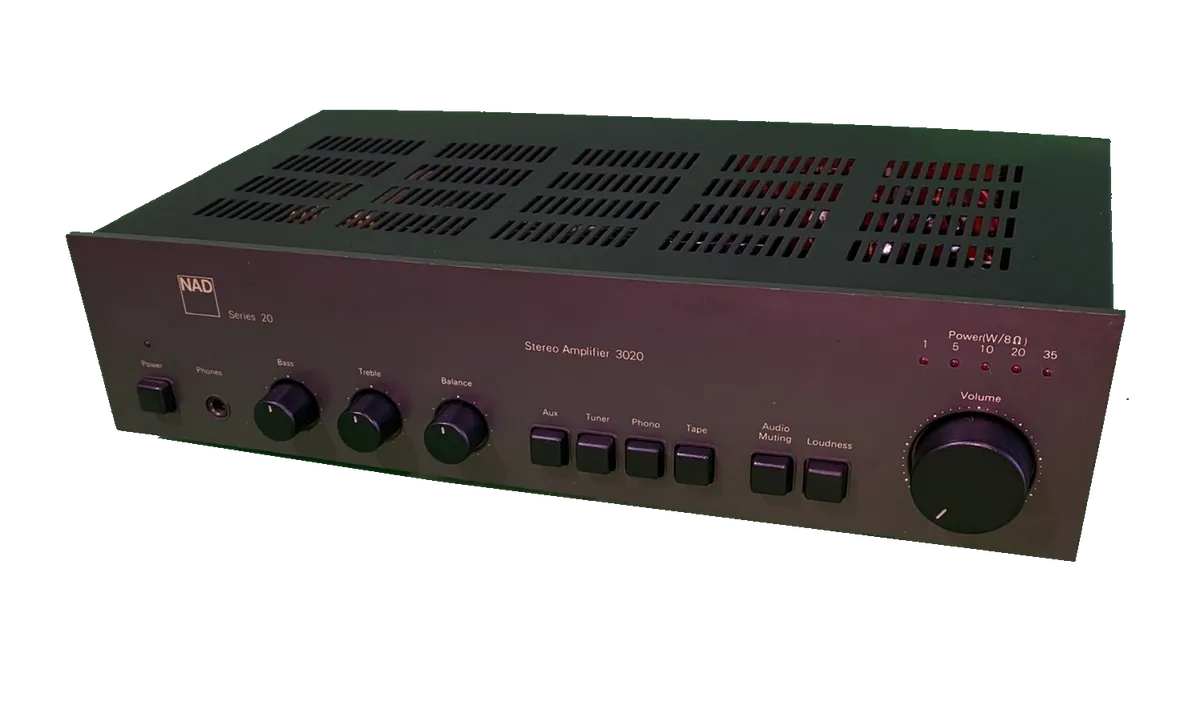
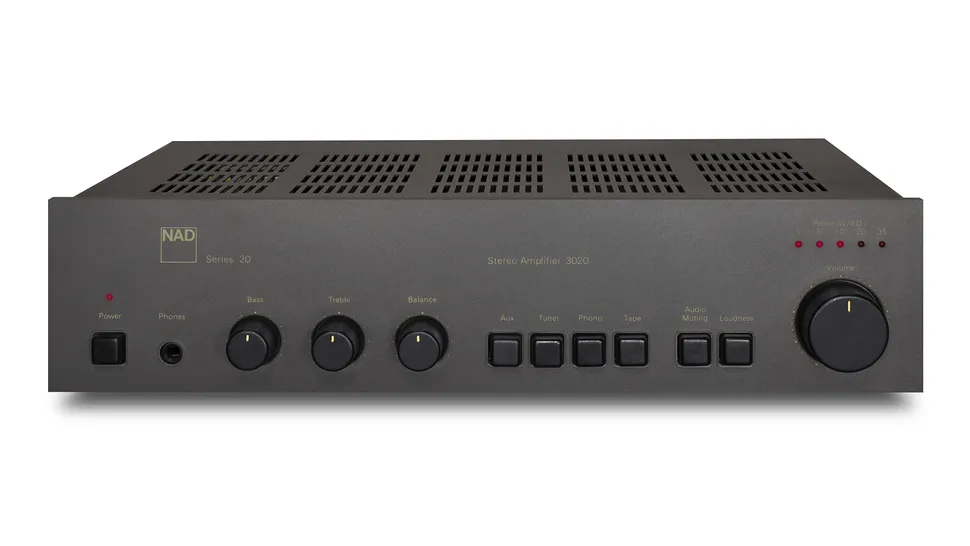
NAD 3020 Amplifier
Introduction
This inductee is a modest stereo amplifier that was introduced in 1979. It was one of the first products from a new manufacturer called New Acoustic Dimension, or simply “NAD”. Named the NAD 3020, it was a modestly priced amplifier with a unique design that allowed it to perform and sound like a much more expensive product.
Here is how this giant killer earned its place in the Hall of Fame.
NAD Origin Story
Today, NAD Electronics (New Acoustic Dimension) is a mainstay of the audio industry, celebrated for high-fidelity amplifiers and precision components. The company’s story began in London in 1972, founded by Dr. Martin L. Borish—an electrical engineer and physicist who brought a unique vision to the market.

Before NAD, Marty Borish had already made his mark, opening his first hi-fi shop in New Jersey in 1956 and later serving as the President and CEO of Acoustic Research (AR). It was at AR that Borish began a legendary partnership with designer Bjørn Erik Edvardsen.
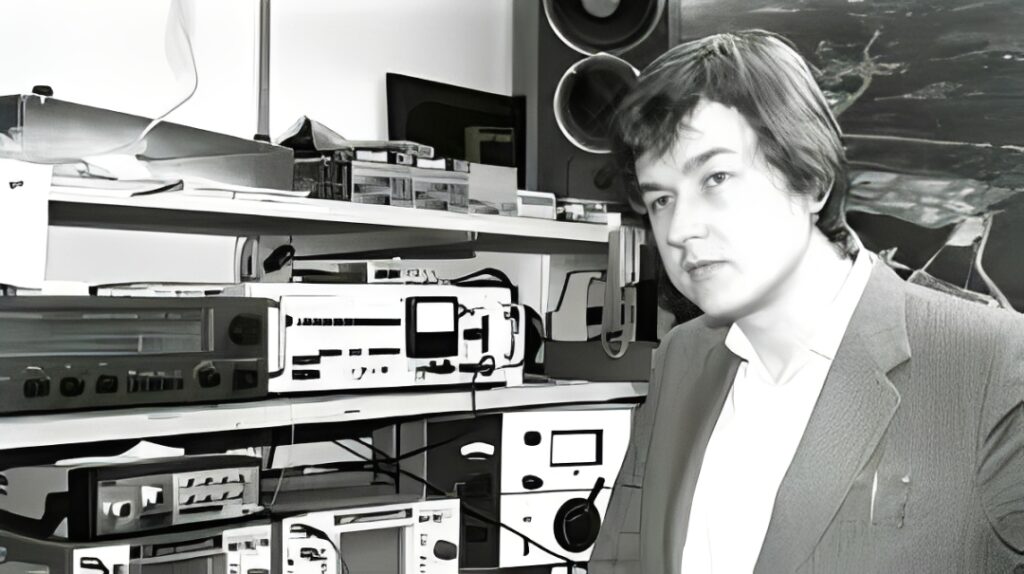
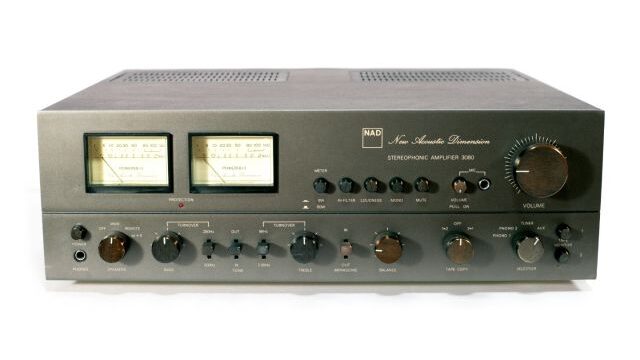
When AR decided to shelve their plans to offer a range of amplifiers, Borish and Edvardsen moved to London to become the first employees of a new brand: NAD. Working from a humble attic and a spare bedroom design lab, their first product was the NAD 3080 integrated amplifier, a 90 watt per channel with great specifications and superb sound.
NAD 3020 Amplifier
In 1979, NAD Electronics introduced the 3020 integrated amplifier. It quickly became an “overnight sensation,” winning over audio reviewers and music lovers alike and eventually selling well over a million units.
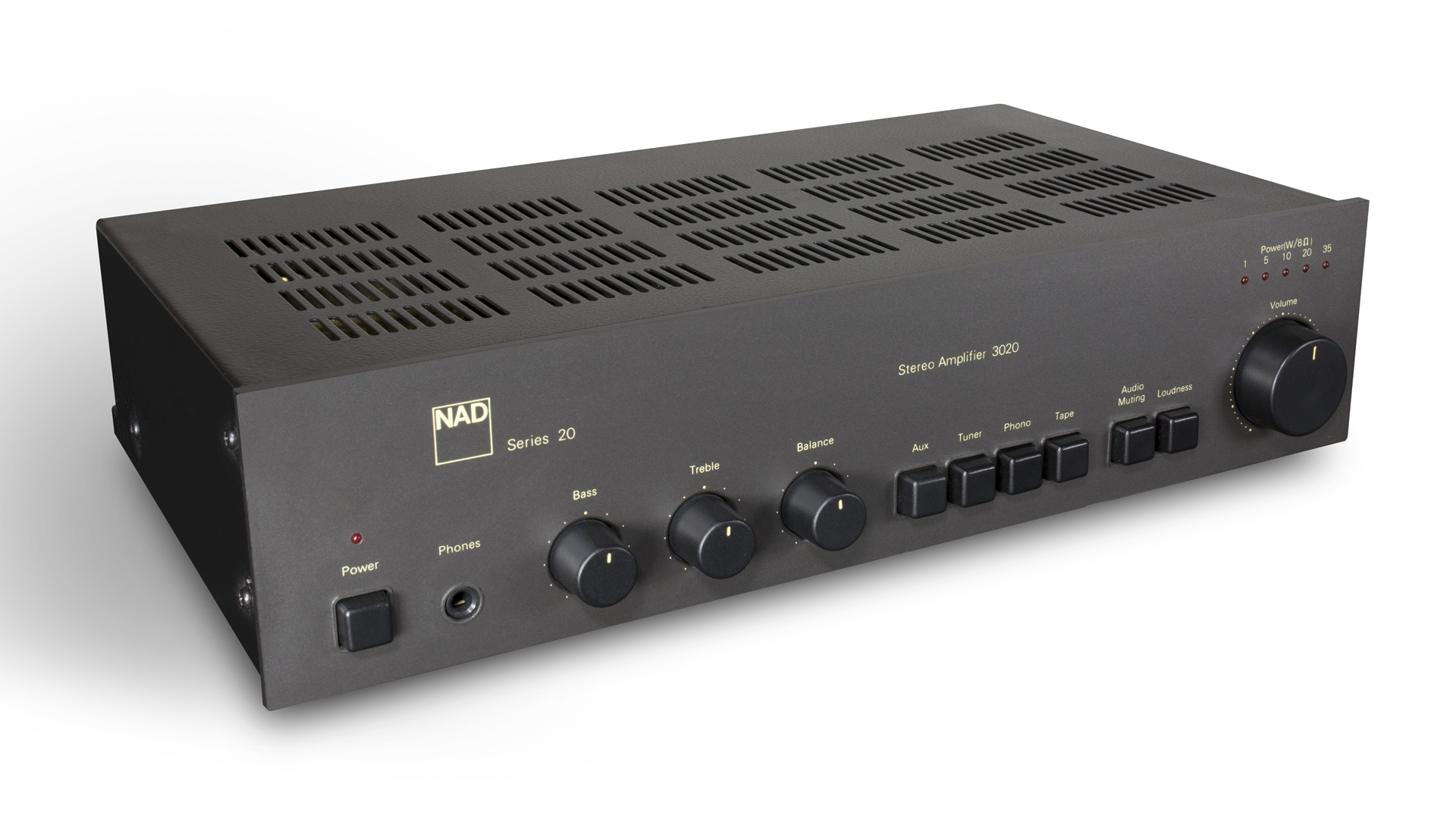
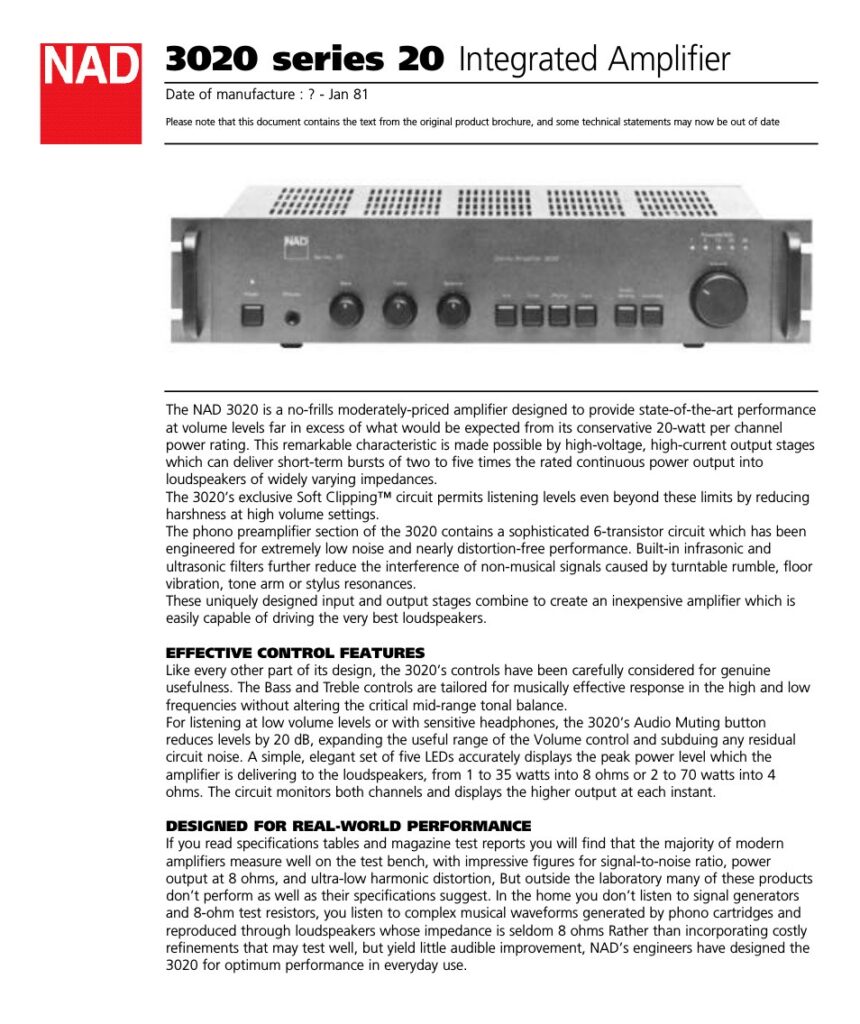
NAD built its reputation around the concept of “effective power,” designing amplifiers capable of delivering dynamic bursts far beyond their rated power output. This performance is made possible by a flexible power supply that stores reserve current and releases it rapidly during demanding musical passages. Over the years, variations of this approach have appeared under names such as Power Envelope, Soft Clipping, and more recently, PowerDrive.
This design philosophy offers additional advantages. Amplifiers using this technology can better handle complex, real-world speaker loads—often much lower and more variable than the standard 8-ohm resistor used for power ratings. They also require less cooling while remaining stable with challenging impedance loads, sometimes as low as 2 ohms.
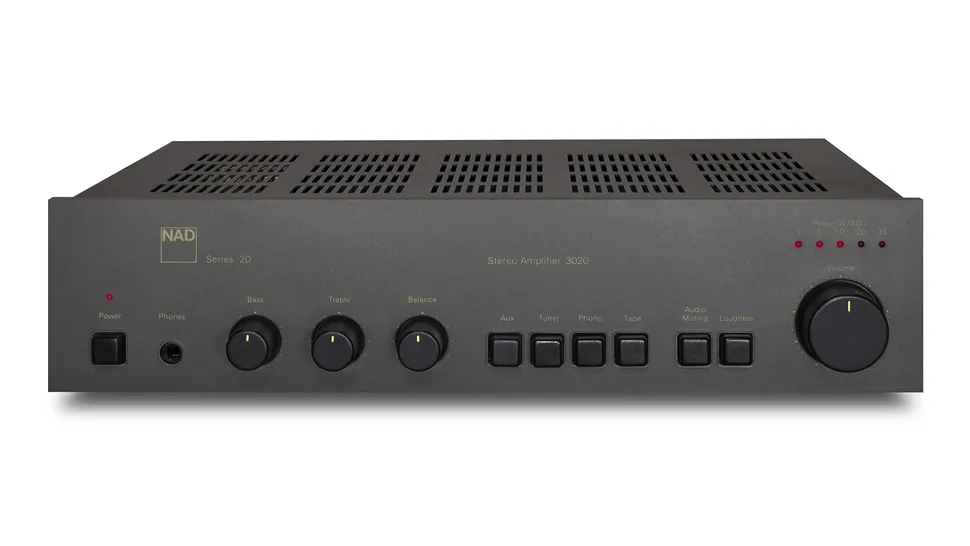
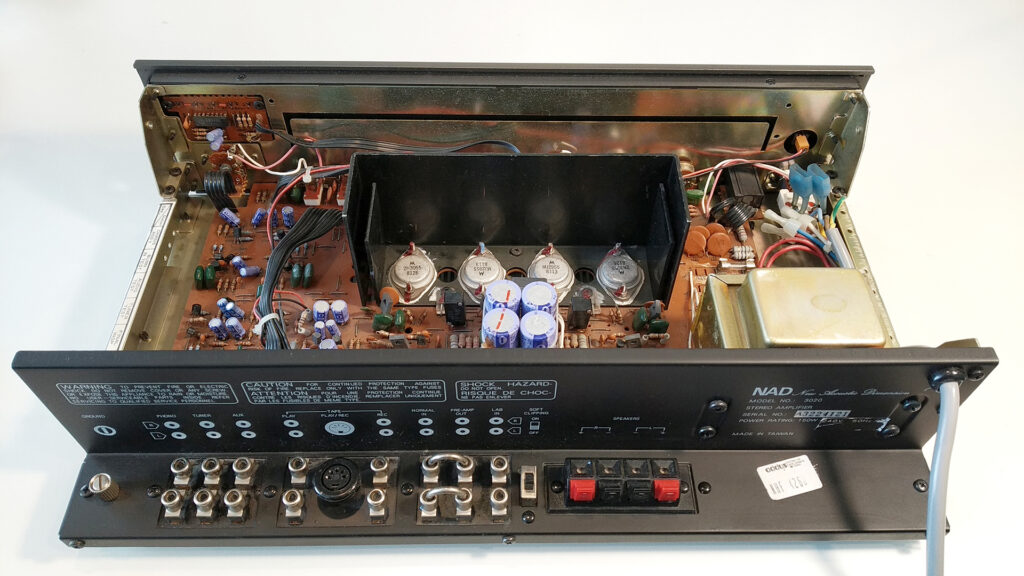
The success of the 3020 became a turning point for NAD, helping to define its brand and paving the way for hundreds of innovative products and industry firsts. In 2012, engineer Bjørn Erik Edvardsen collaborated with the development team to create the NAD D3020, commemorating the company’s 40th anniversary. This updated model carried forward the original 3020’s goals while delivering a modern solution tailored to a new generation of digitally focused, budget-conscious audiophiles.
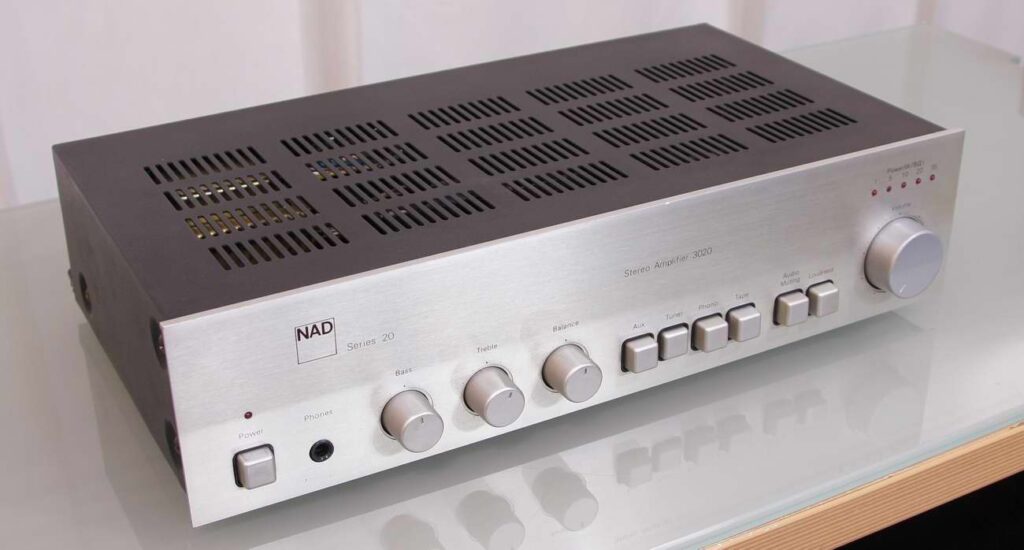
NAD 3020 Evolution
Like many classic hi-fi components, the NAD 3020 didn’t stand still—it evolved through several thoughtful revisions and spin-offs over the years:
- NAD 3020A (1981): Addressed minor issues from the original design, including a crosstalk quirk that some listeners had actually come to appreciate for its subtle “character.”
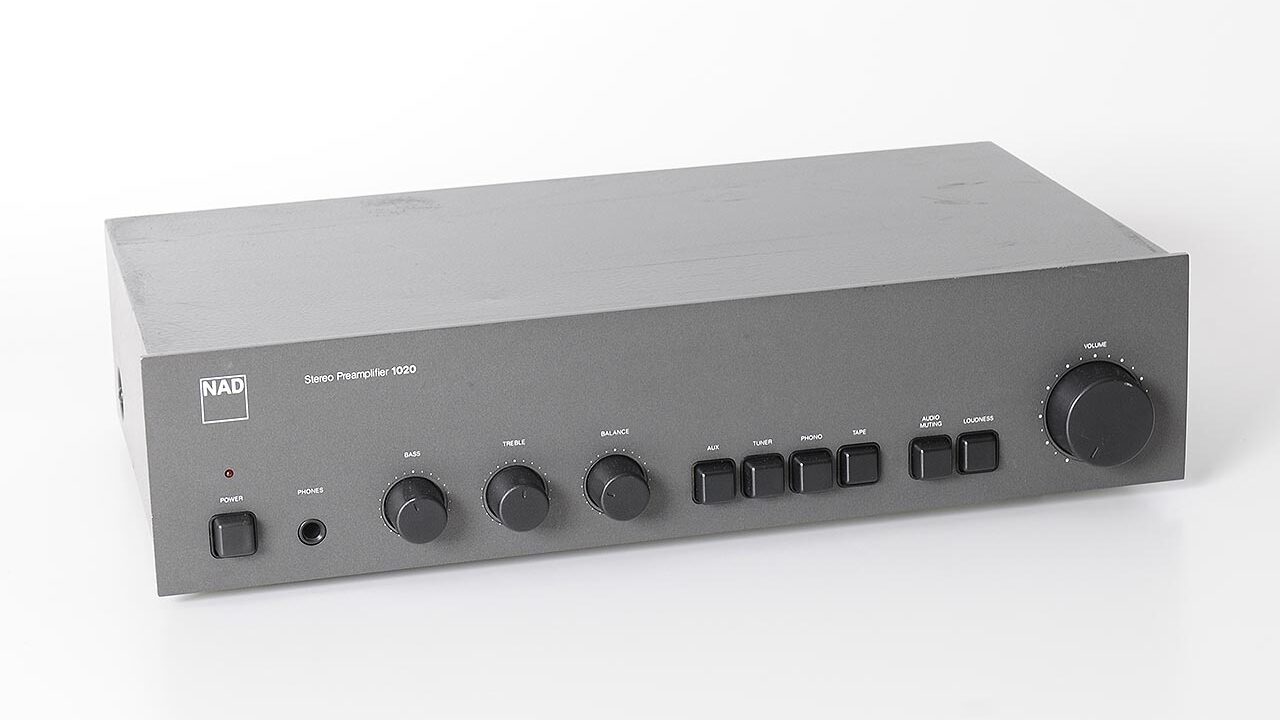
- NAD 1020 (early 1980s): A standalone preamplifier, created after it became clear many owners were primarily using the 3020 for its preamp section.
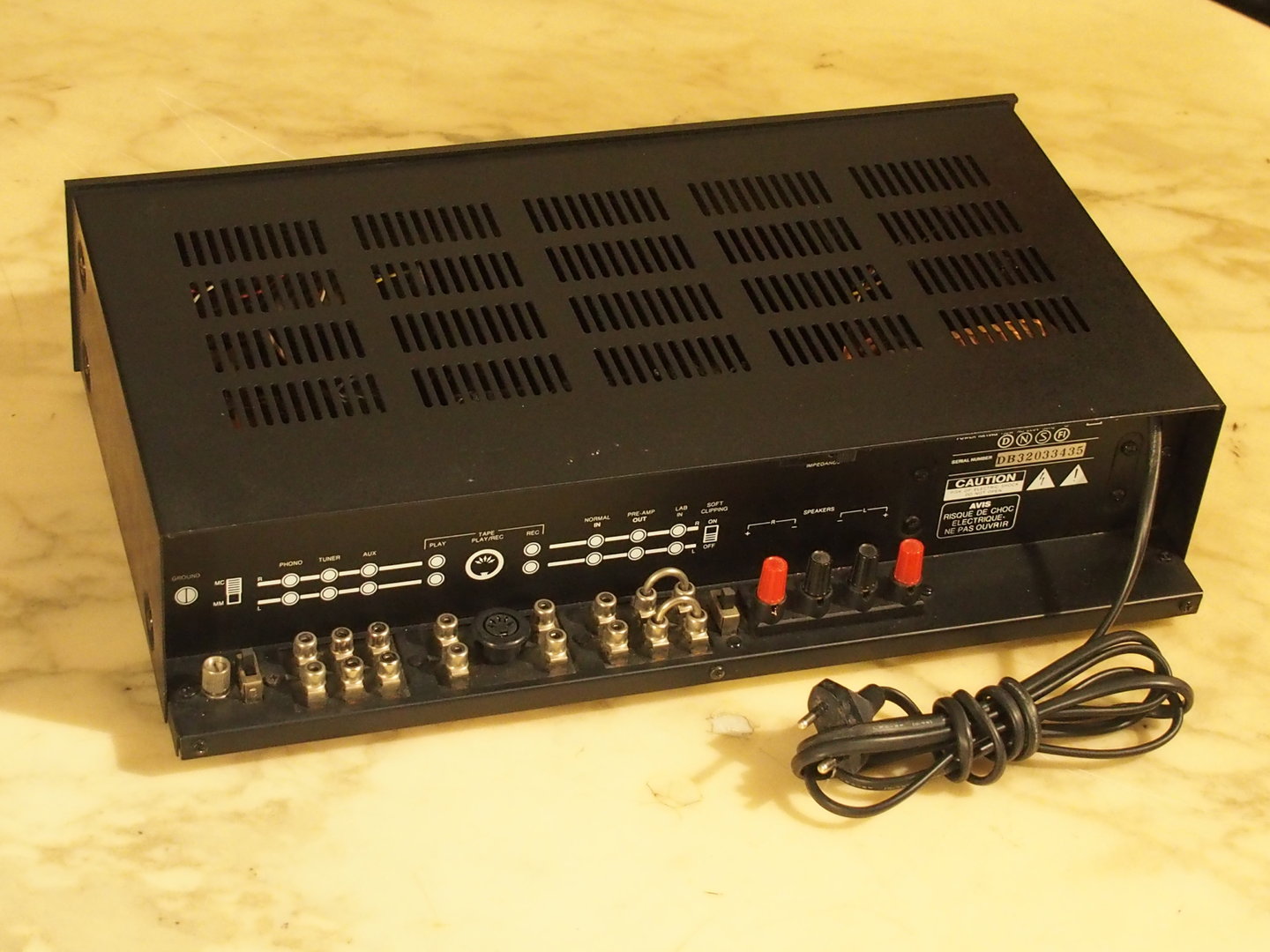
- NAD 3020B: Upgraded the speaker connections, replacing the original spring clips with higher-quality binding posts.
- NAD 3120 (1984): An “audiophile” variant that removed tone controls to deliver a cleaner, more direct signal path.
- NAD 3020i (1991): The final refinement of the original lineage, marketed as an improved and modernized version.
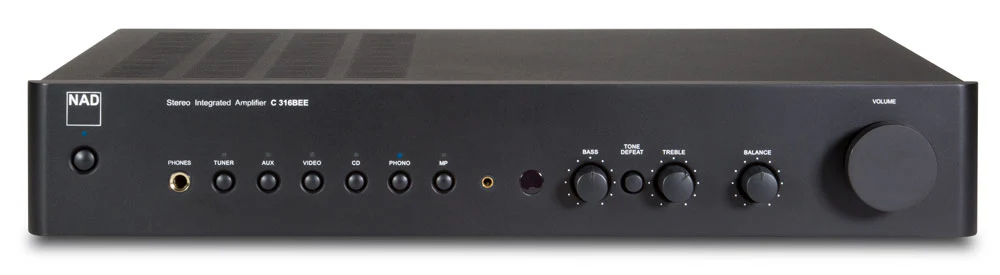
Decades later, the DNA of the 3020 lived on in the NAD C 316BEE, introduced in 2013. With its minimalist control layout and 40-watt-per-channel, all-analog design, it clearly carried forward the original’s philosophy. The “BEE” designation honors longtime NAD designer Bjørn Erik Edvardsen.
A few years later, NAD released the NAD C 316BEE V2, officially unveiled in May 2018 at the High End Munich and made available in North America that July. This updated version retained the classic Class AB design and PowerDrive technology, while adding a built-in moving magnet (MM) phono stage—an acknowledgement of vinyl’s resurgence and a welcome feature for turntable users seeking that traditional analog experience.
NAD 3020 Rebirth as a “Class D” Amplifier
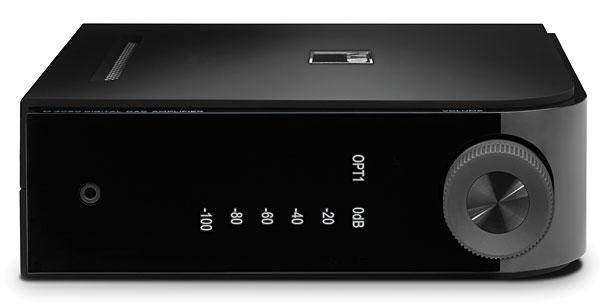
NAD Electronics marked its 40th anniversary in 2012 with a modern reinterpretation of its most iconic amplifier: the NAD D 3020. This anniversary model reimagined the spirit of the original 3020 for a new era, introducing a Class D amplification platform and a striking vertical design.
At the heart of the D 3020 is a different approach to amplification compared to the traditional Class AB designs that defined earlier NAD models:
Class AB: The Traditional Approach
Class AB amplifiers use pairs of transistors that remain active for more than half of each signal cycle, blending the sonic accuracy of Class A with the improved efficiency of Class B. The result is smooth, low-distortion sound, but at the cost of lower efficiency—these designs generate more heat and typically require larger power supplies and heat sinks.
Class D: The Modern Alternative
Class D amplifiers, often called “switching” amplifiers, operate by rapidly turning transistors fully on or off using techniques like Pulse Width Modulation (PWM). This allows for dramatically higher efficiency—often exceeding 90%—enabling powerful output from compact, lightweight enclosures that run much cooler. While early designs required careful filtering to manage switching noise, modern implementations have largely closed the gap with traditional analog performance.
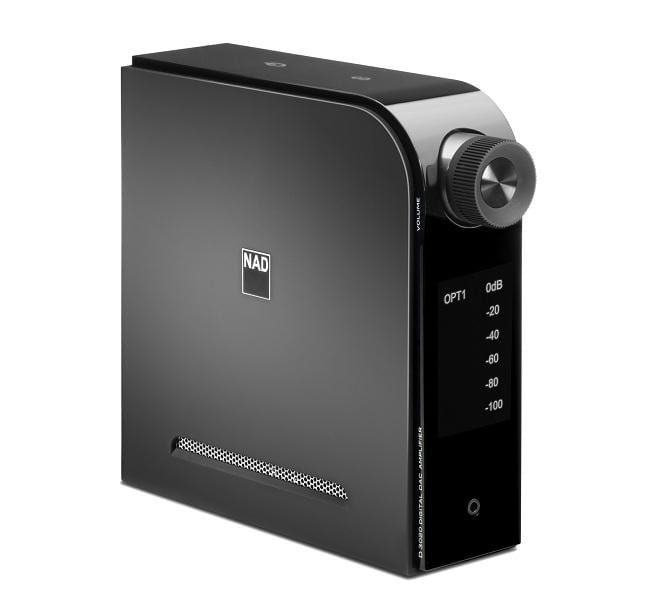
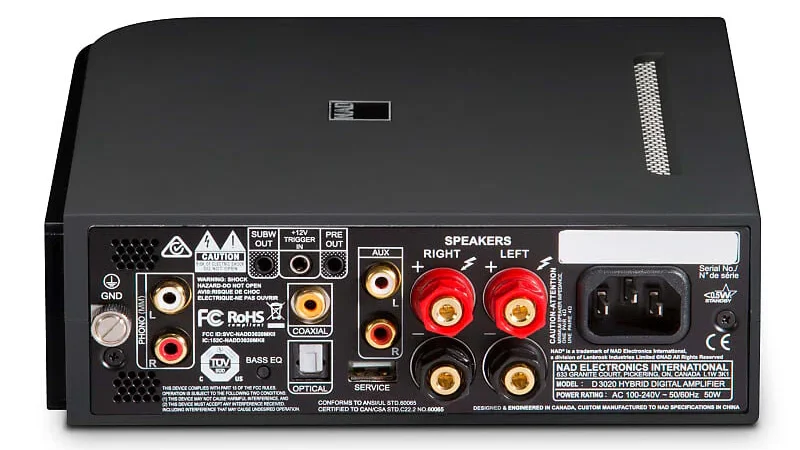
The D 3020 embraced this efficiency while maintaining NAD’s sonic priorities. Its “hybrid” designation reflects the combination of a Class D power stage with a high-quality analog preamp section and an integrated DAC, preserving the warm, musical character associated with the original 3020. It also introduced modern connectivity, including optical, coaxial, and USB inputs to support digital sources.
This evolution continued with the NAD D 3020 V2, released in 2020. The updated version refined the concept further, adding features such as a moving magnet phono stage and Bluetooth connectivity. With its compact, high-gloss vertical form factor, the V2 bridged contemporary digital convenience with a clear nod to NAD’s analog heritage.
Learn more about NAD
If you’d like to see the current NAD lineup, or read the history of the company, please visit their website: nadelectronics.com/
NAD 3020: Induction into the Hi-Fi Hall of Fame
The NAD 3020 did something that few of it’s peers could do: deliver audiophile quality sound at an affordable price point. The designers used some clever engineering to get the most out of some affordable components, and then assembled them into a compact and attractive cabinet.
The 3020 has evolved many times and it has been in production for almost 50 years. Reviewers loved the 3020 in all of it’s iterations, and so did the owners.
The 3020 established NAD as a serious player, not just in the British Hi-Fi scene but globally. The company has built on that reputation with a series of great audio equipment in the 50 years since then. The 3020 itself has evolved with the times and with technology and it is still a great, affordable amplifier.
Last but not least, the NAD 3020, is one of the best selling integrated amplifiers of all time, with more than 1 million units sold and counting!
For all of these reasons, the NAD 3020 is inducted into the Hi-Fi Hall of Fame.