
Hi-Fi Hall of Fame
2026 Inductee
Etymotic Research ER4 In-Ear Monitors
Introduction
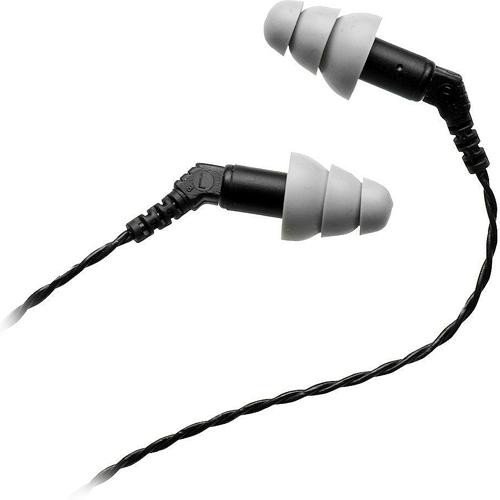
Our next inductee is another world’s first: the Etymotic Research ER4 In-Ear Monitors (IEMs), which were the first “off the shelf” IEMs designed for audiophiles. The ER4 was released in 1991, created an entirely new category of earphones, and is still in production today, more than 35 years later.
Let’s see why this pioneering product deserves a place in the Hi-Fi Hall of Fame.
Etymotic Research Origin Story
Founded in 1983 by Mead Killion, Etymotic Research (which means “true to the ear”) originated as an acoustics firm focused on diagnostic hearing assessments, protection, and hearing-loss solutions. In 1984, the company developed some of the earliest insert earphones, introducing the ER-1, ER-2, and ER-3 for medical testing and auditory research.
Prior to the early 1990s, in-ear audio remained split between specialized medical devices and low-fidelity consumer earbuds. Etymotic bridged this gap in 1991 by launching the ER4 (MicroPro), effectively establishing the universal-fit, high-fidelity in-ear monitor (IEM) category.
Three Key Innovations of the ER4
The ER4 built on three technical innovations:
- Balanced Armature Drivers, which were adapted from hearing aid technology, these high-precision drivers delivered unprecedented resolution, speed, and accuracy compared to standard dynamic drivers
- Diffuse-Field Tuning, in which Etymotic engineers targeted an ultra-flat, uncolored frequency response, prioritizing high fidelity over artificially boosted bass.
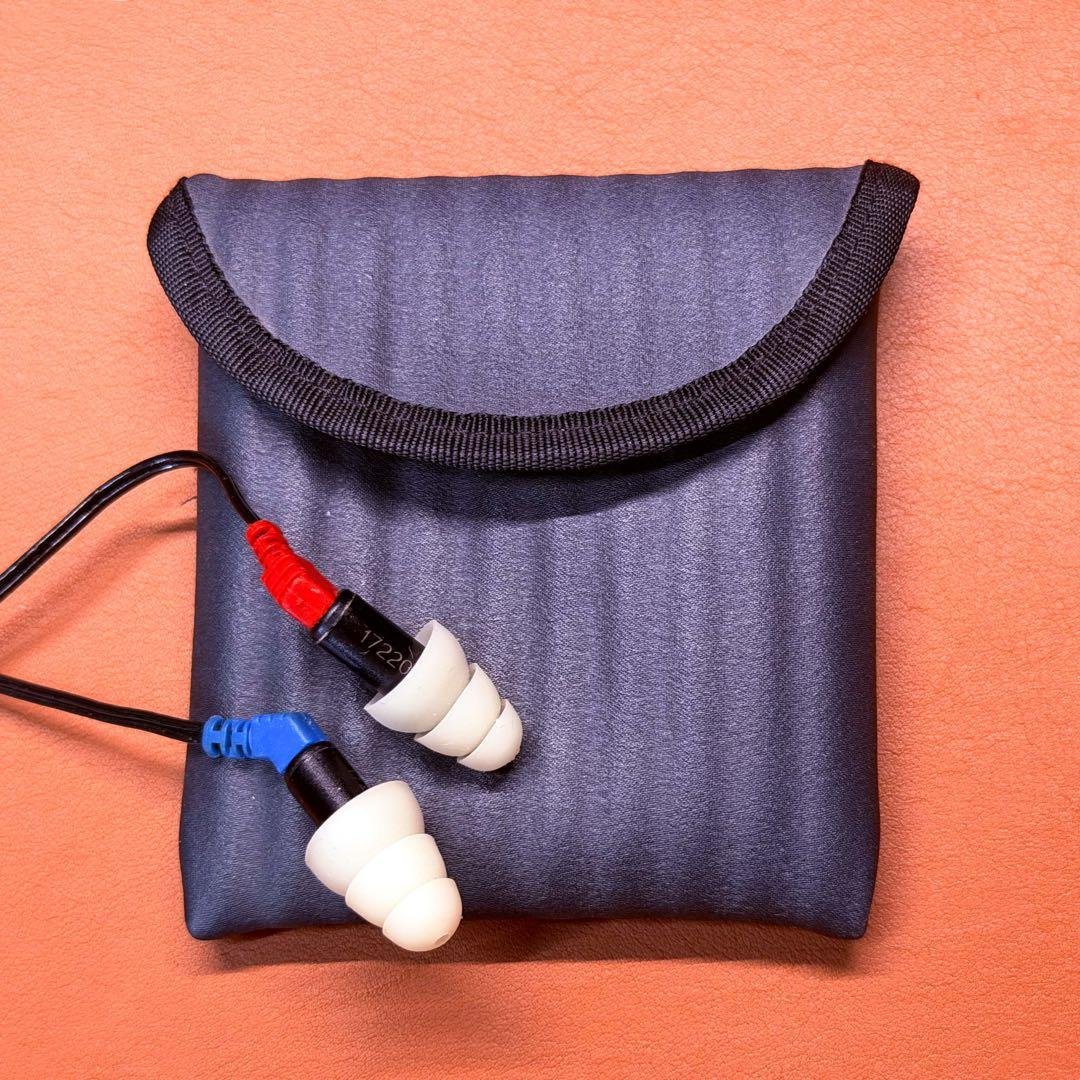
- Deep Insertion Noise Isolation, which employed triple flange silicone ear tips to provide up to 42 dB of passive noise reduction, enabling detail retrieval at safer listening volumes.
The ER4 set the global benchmark for high-definition in-ear monitors.
Etymotic Research ER4 Key Technology: the Balanced Armature Driver
The key technology in an IEM is the Balanced Armature Driver. Conventional earphones and headphones employ dynamic drivers.
Balanced armature (BA) drivers and conventional dynamic drivers (DD) represent two distinct approaches to earphone acoustic design. A dynamic driver operates like a miniature loudspeaker, using a voice coil attached to a flexible diaphragm. Moving significant volumes of air, dynamic drivers deliver natural, impactful bass with rich sub-bass extension, though they require vented shells that reduce passive noise isolation.
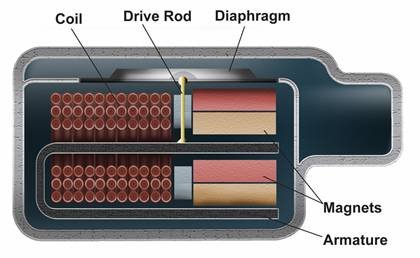
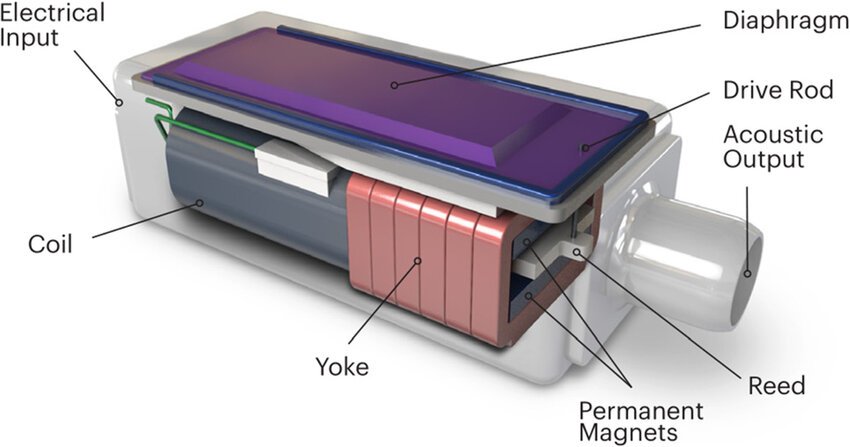
Conversely, balanced armatures utilize an electric current to pivot a tiny reed suspended between magnets, driving a diaphragm in a completely sealed unit. Because of their minimal moving mass, BA drivers offer exceptionally fast transient response, pin-point vocal clarity, and detailed treble, alongside superior noise isolation. However, they struggle to produce the visceral bass slam of a dynamic driver. Ultimately, dynamic drivers excel at warm, cohesive sound with powerful low-end impact, whereas balanced armatures prioritize clinical precision, speed, and high-frequency resolution in a compact enclosure.
Etymotic Research ER4 Impact
The Etymotic Research ER4 had a significant impact on the Hi-Fi industry. In 1991, most headphones employed dynamic drivers and were rather large and heavy. There were a few electrostatic models but these were expensive and rare. The few “in ear” headphones offered rather poor fidelity, with limited frequency response and high distortion.
The ER4 changed all of that: they were small, provided great audio isolation, wide frequency response, and low distortion. Competitors entered the market and today, the manufacture of IEMs is a multi-million dollar industry, with a number of manufacturers producing a wide range of products.
“Boutique” IEMs
There are several boutique manufacturers making IEMs for the high end consumer. Some examples include:
64 Audio produce both custom (fitted) and universal IEMs. They dominate both live music stage setups and elite audiophile collections with models like the U12t and Fourté.

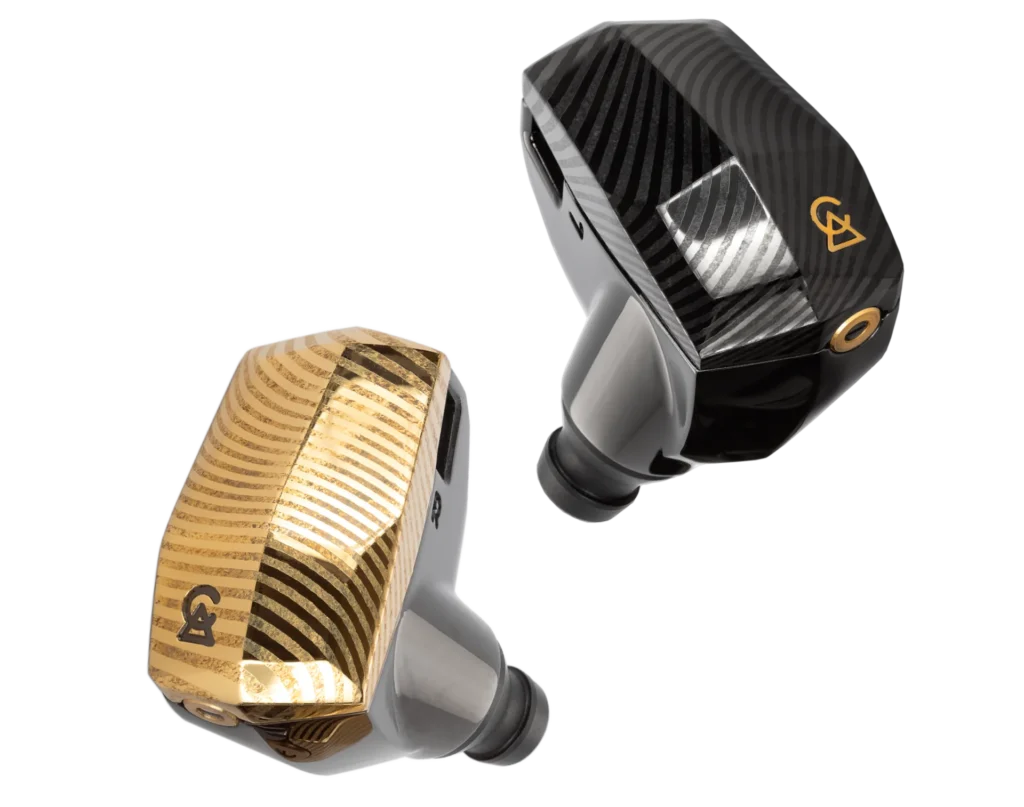
Campfire Audio produces IEMs and headphones using Balanced Armature and other technologies; many of their products are hand made and feature distinctive machined metal shells.
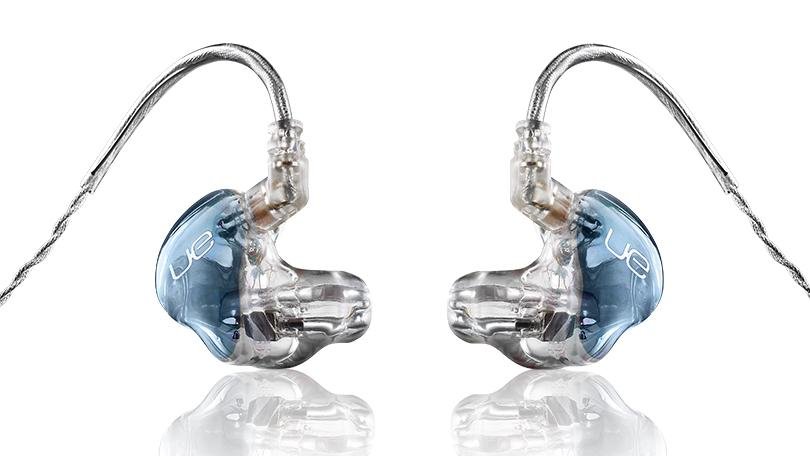
Ultimate Ears was one of the early pioneers of custom in-ear monitors (CIEMs) originally built for touring musicians, and still influential among audiophiles who prefer custom-molded fits.
“Industry Giant” IEMs
At least three of Hi-Fi’s headphone “giants” are making IEMs, including:
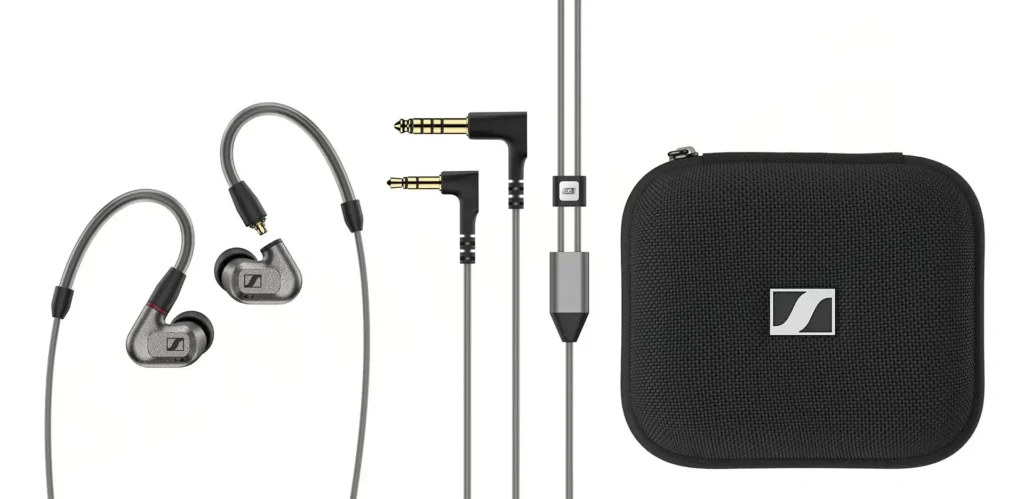
Sennheiser produces IEMs for both the professional and consumer markets with their “IE” series models including the IE 200, IE 600, and IE 900.
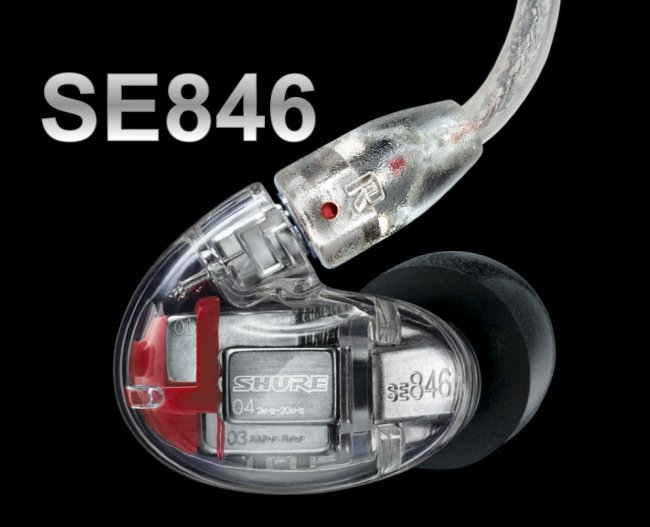
Shure sets the industry standard for isolation and stage monitoring with the SE215 and SE846 models.
Sony produces IEMs at all price points including the reference class flagships IER-M9 and IER-Z1R.

Etymotic Research ER4 Evolution
Since its debut in 1991, Etymotic’s ER4 line has evolved across multiple generations, moving from niche audio engineering tools to mobile consumer reference monitors, and eventually undergoing a full mechanical redesign.
First Generation (1991–2015): The Classic ER4 Series
All early ER4 models shared the same high-impedance balanced armature driver housed in a black plastic barrel with a non-detachable, thick Y-split cable containing custom tuning resistors.
ER-4B (1991): The initial “Binaural” model. Designed for listening to binaural recordings made with dummy-head microphones, compensating for the diffuse-field equalization of the ear canal.
ER-4S (1992–1993): The “Stereo/Reference” standard. Tuned with a flatter target for conventional commercial studio releases. It had an impedance of 100 Ω (ohms), requiring headphone amplification for best performance.
ER-4P (2001): The “Portable” model. Released to accommodate low-output portable devices (like CD players and early iPods), it dropped the impedance to 27 Ω for higher output (+10 dB higher sensitivity) and added a subtle bass boost.
ER-4PT (2011): The “Portable Travel” model. Functionally identical to the ER-4P, but included a precision 100 Ω inline adapter (P-to-S converter) in the box so users could convert it into an ER-4S on demand.

Second Generation (2016–Present): The Anodized Metal Redesign
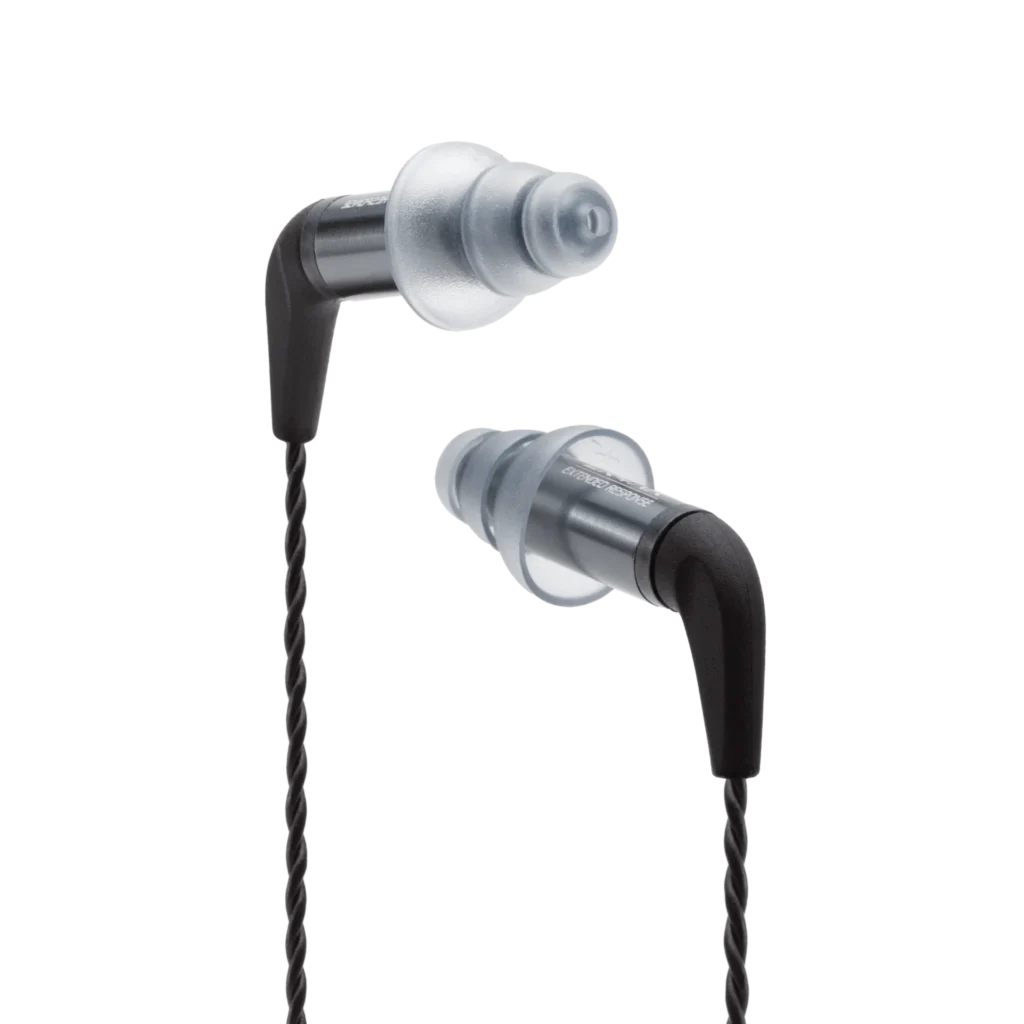
In 2016, marking the 25th anniversary of the original design, Etymotic sunsetted the classic series and released an updated platform with anodized aluminum shells, detachable MMCX cables, and resistors built directly into the housing.
ER4SR (Studio Reference): The direct successor to the ER-4S. Tuned to Etymotic’s classic flat diffuse-field target with an updated 45 Ω impedance.
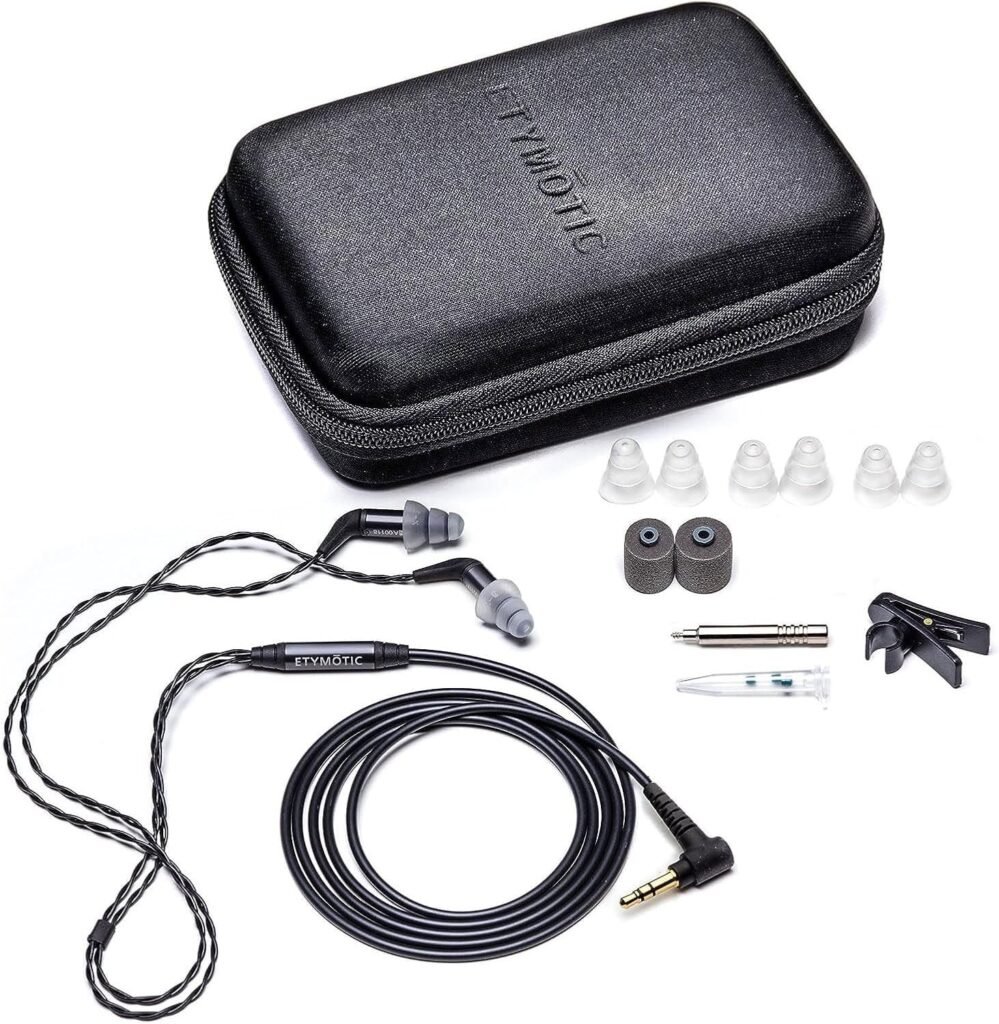
ER4XR (Extended Response): Features the same upper-midrange and treble tuning as the SR, but introduces a subtle low-end bass elevation for those seeking more impact.
More about Etymotic Research
If you’d like to learn more about Etymotic Research, or take a look at their current product line-up, you can visit their website at: etymotic.com/

Etymotic Research ER4: Induction into the Hi-Fi Hall of Fame
The Etymotic Research ER4 is a worthy inductee into the Hi-Fi Hall of Fame.
The ER4 “re-purposed” Balanced Armature Driver technology from hearing aids and medical devices for use in Hi-Fi In-Ear Monitors.
It employed “deep insertion” noise isolation to keep out unwanted sound, didn’t require custom fitting, so it could be sold “off the shelf” and still deliver great sound.
The ER4 also kick started the IEM business, and today there are dozens of manufacturers making similar products at all price points.
And, it is still in production today!
For all of these reasons, the Etymotic Research ER4 is inducted into the Hi-Fi Hall of Fame.