
Hi-Fi Hall of Fame
2026 Inductee
Bowers & Wilkins Zeppelin Loudspeaker
Introduction
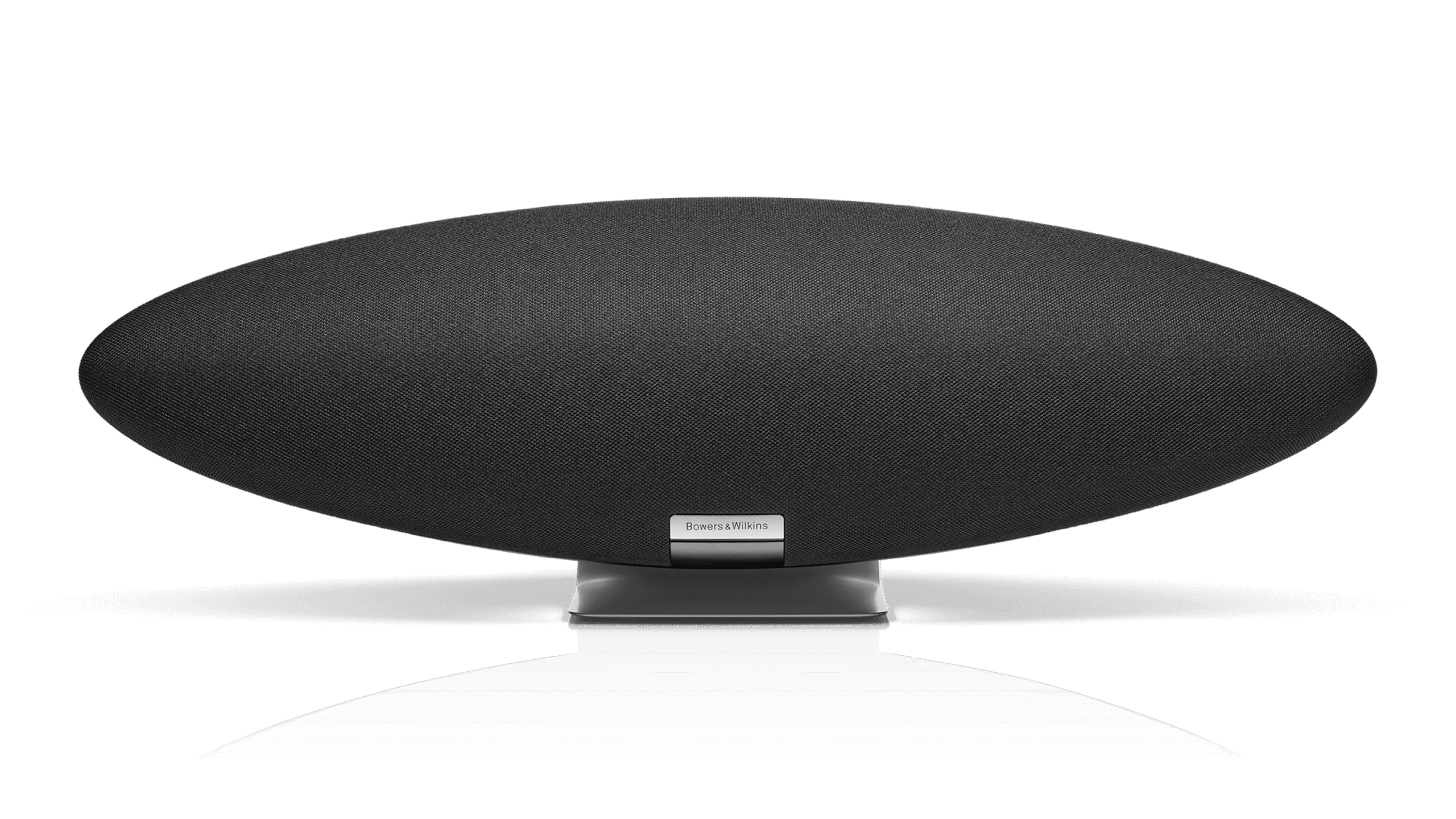
Our next inductee is a unique loudspeaker from British manufacturer Bowers & Wilkins: the Zeppelin. First introduced in 2007, the Zeppelin is noteworthy for it’s unique aesthetic, and also because it was one of the first “docking” speakers made with a built-in dock for the Apple iPod.
The Zeppelin has evolved over the years and the latest model is the 5th generation. Let’s take a look to see why the Zeppelin belongs in the Hi-Fi Hall of Fame.
The Original B&W Zeppelin
Apple introduced their first “iPod” portable music player in 2001 and it was a game changer for the industry. It had an elegant user interface and straightforward integration with the Apple “iTunes” online music store, which made it easy for people to use. Apple sold millions of iPod players over the next few years, and many of those users wanted an easy way to play that music in the home.
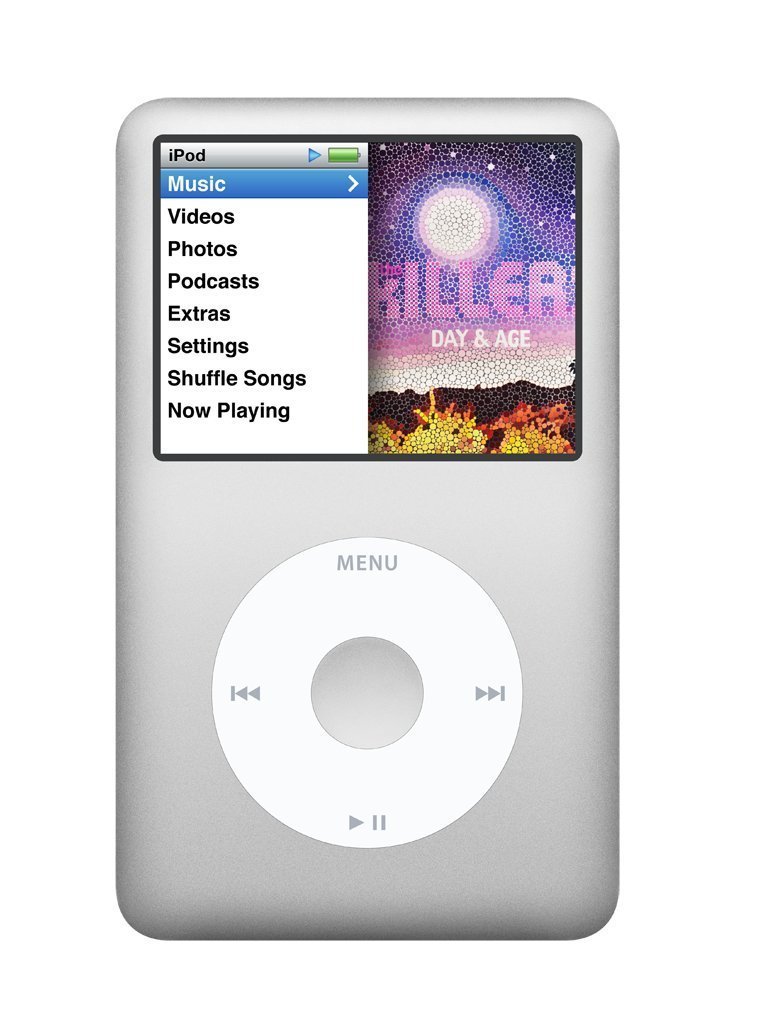
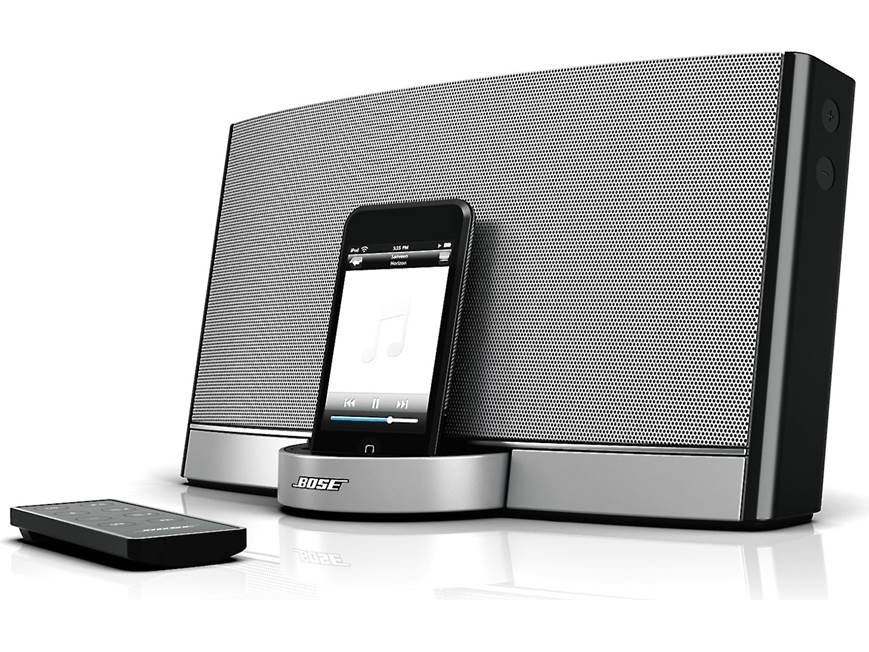
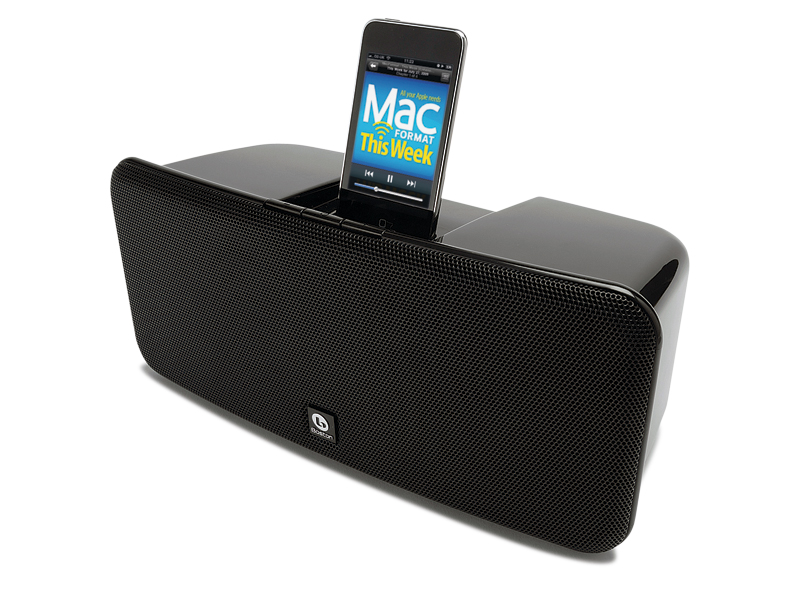
To meet that need, a number of manufacturers produced tabletop speakers equipped with an iPod dock. Users could simply plug the iPod into the dock, select some music, hit “play”, and listen to music. Bose, Cambridge Soundworks, Boston Acoustics, and a number of other companies produced tabletop speakers with iPod docks.
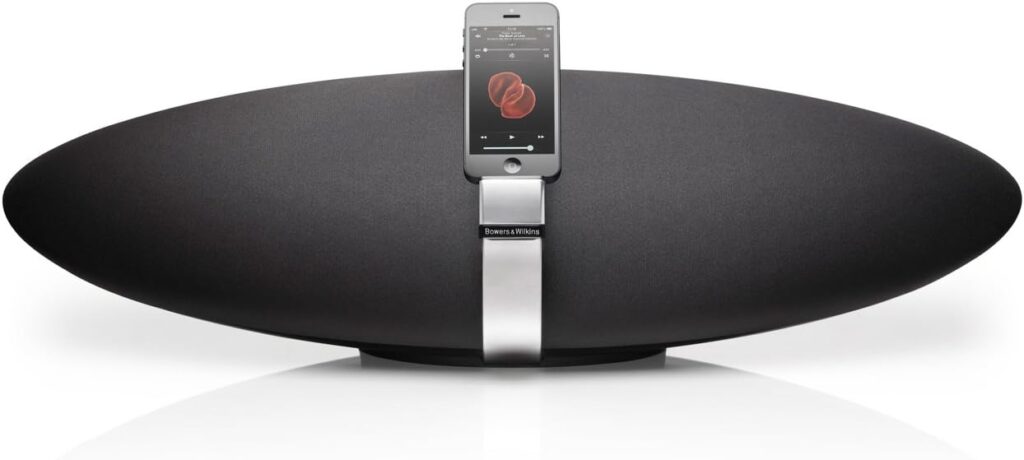
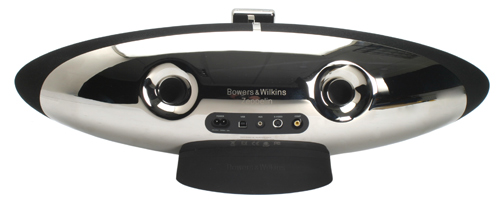
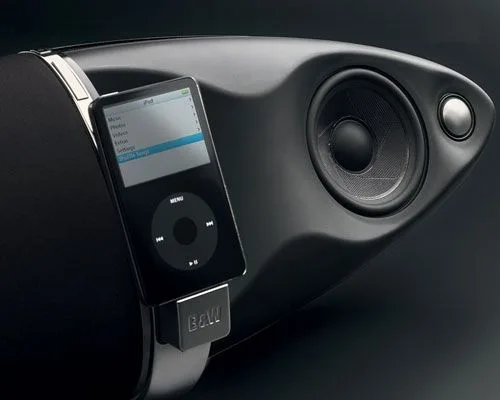
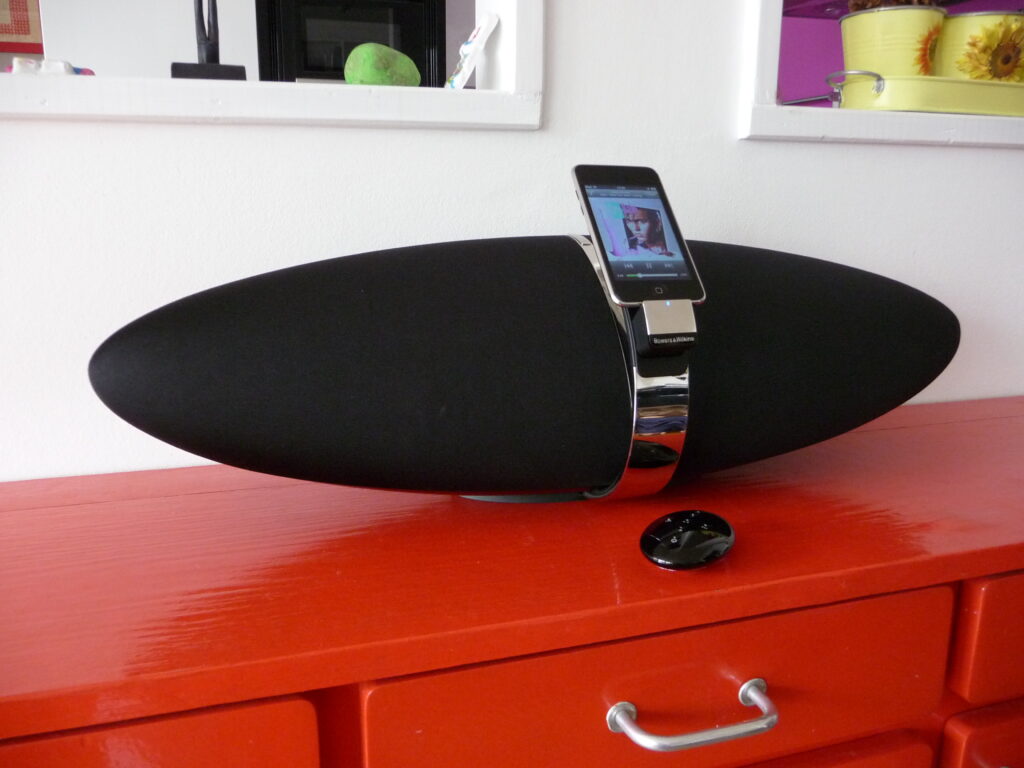
Bowers & Wilkins decided to create an iPod dock that combined great speakers, excellent amplifiers, and a distinctive aesthetic. Their goal was an easy to use device with exceptional sound quality. The result was the B&W “Zeppelin”, first released in 2007. With its distinctive design, it required a fair amount of desk space but rewarded the user with a detailed, spacious sound. The Zeppelin was equipped with the standard Apple connector so the user just had to plug the iPod in. It sounded great, looked great, and got a lot of attention and positive reviews for B&W.
The “Zeppelin” Name
Before we dive deeper into our profile of the B&W speaker, let’s explore the origins of the “Zeppelin” name. The Zeppelin is a type of rigid airship pioneered by German inventor Ferdinand von Zeppelin at the turn of the 20th century. Unlike standard “blimps,” which rely on internal pressure to maintain their shape, a Zeppelin is defined by its metal-framed, hydrogen-filled structure.

The first successful flight took place in 1900, marking the birth of large-scale aerial travel. They utilized a complex, trussed internal frame supported by individual gas cells filled with hydrogen. During World War I, Germany repurposed these giants for reconnaissance and high-altitude bombing raids over Britain. After the war, Zeppelins enjoyed a Golden Age: throughout the 1920s and 30s, Zeppelins such as the “Graf Zeppelin” reigned as the ultimate luxury passenger liners, offering transatlantic travel before high-profile accidents ended the era.

The name found a second life in the late 1960s when it was adopted by the legendary rock band Led Zeppelin. The name was famously inspired by a joke that the band would go down like a “lead balloon”, which they cheekily upgraded to a “Led Zeppelin.”

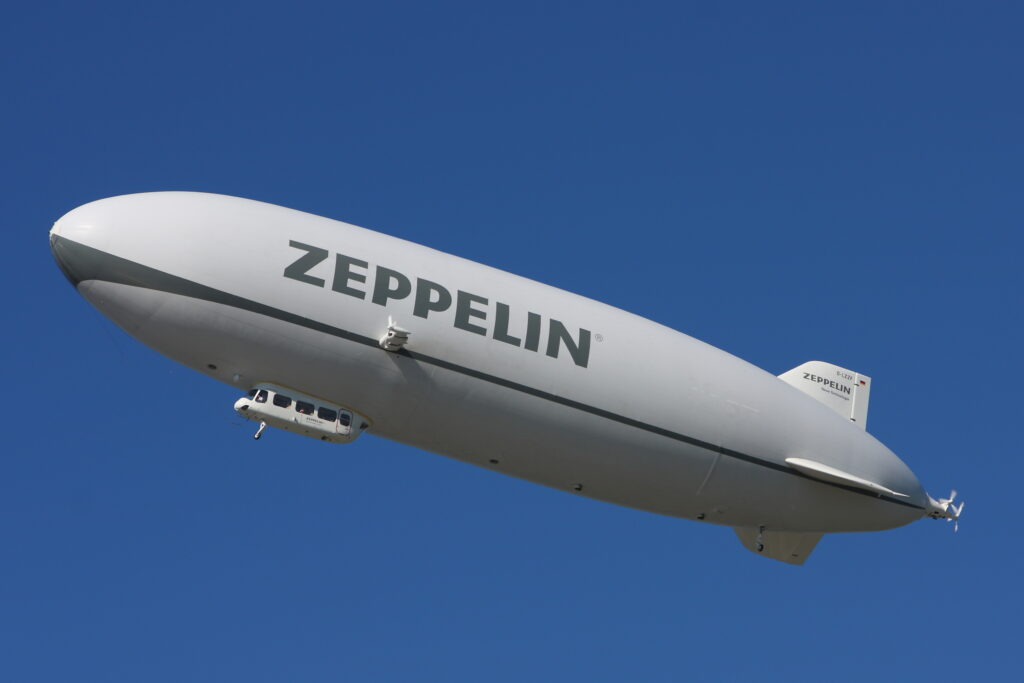
While the massive giant Zeppelins of the past are gone, the legacy lives on through a company called “Zeppelin NT” (New Technology). These modern airships are still active today, primarily used for specialized tourism, scientific research, and high-profile advertising.
The Zeppelin Air
Okay, back to Hi-Fi Zeppelins……
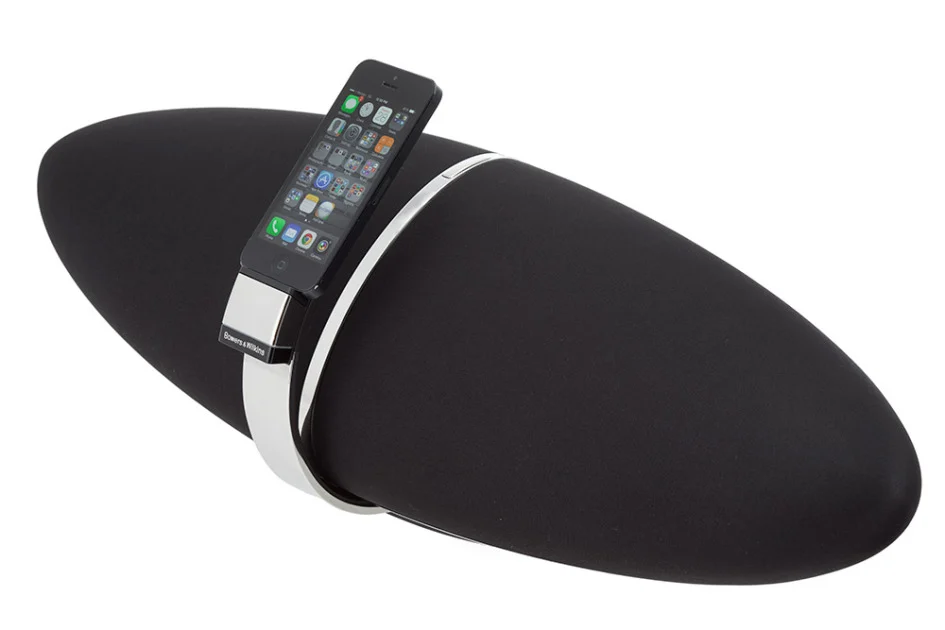
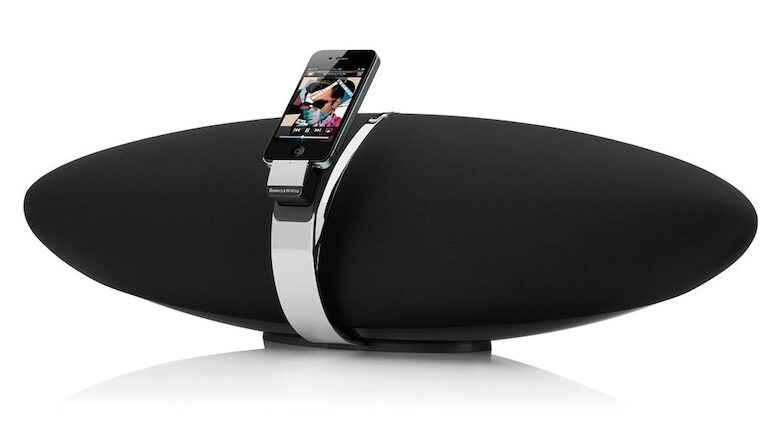
Like many other B&W products, the Zeppelin has evolved over the years. B&W released the second generation of the speaker in 2011. It was called the Zeppelin “Air” and it was capable of wireless connectivity using Wi-Fi or Apple’s proprietary “AirPlay” connectivity.
The basic speaker design remained the same: it was a 3-way vented speaker employing a pair of 1 inch “Nautilus” aluminum dome tweeters, a pair of 3 inch glass-fiber midrange speaker, and a single 5 inch paper-Kevlar woofer. The amplifier was a Class D design and each driver had it’s own amplifier. The cabinet was gloss black with stainless steel trim, and the iPod dock was integrated into the stainless steel trim.
Zeppelin Wireless
By 2015, the wireless revolution was in full swing and B&W released the 3rd iteration of the Zeppelin. This marked the end of the “docking” era: B&W removed the physical connector entirely, leaning into Bluetooth, Spotify Connect, and modernized streaming capabilities.
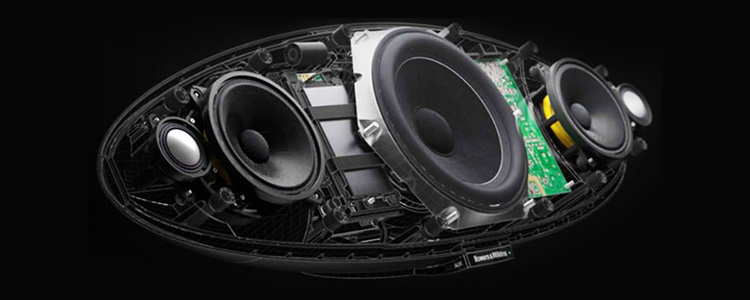
The speaker system also got an upgrade, with five updated drivers including a larger 6 inch subwoofer. It was housed in a reinforced, rigid, elliptical enclosure and notably without the rear flow ports of its predecessors.
The Zeppelin
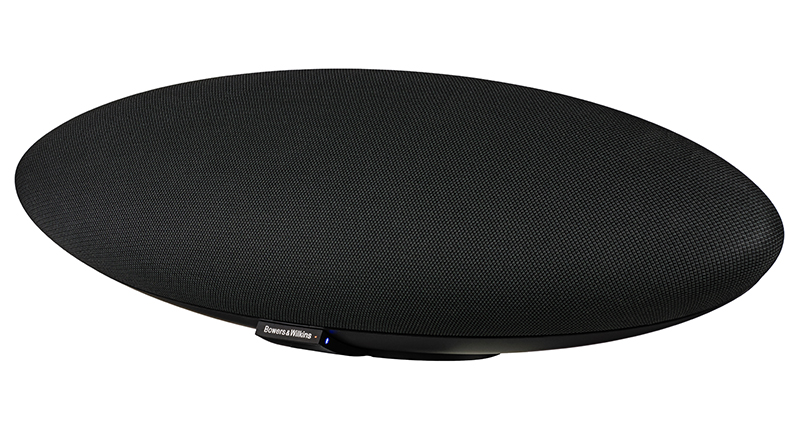
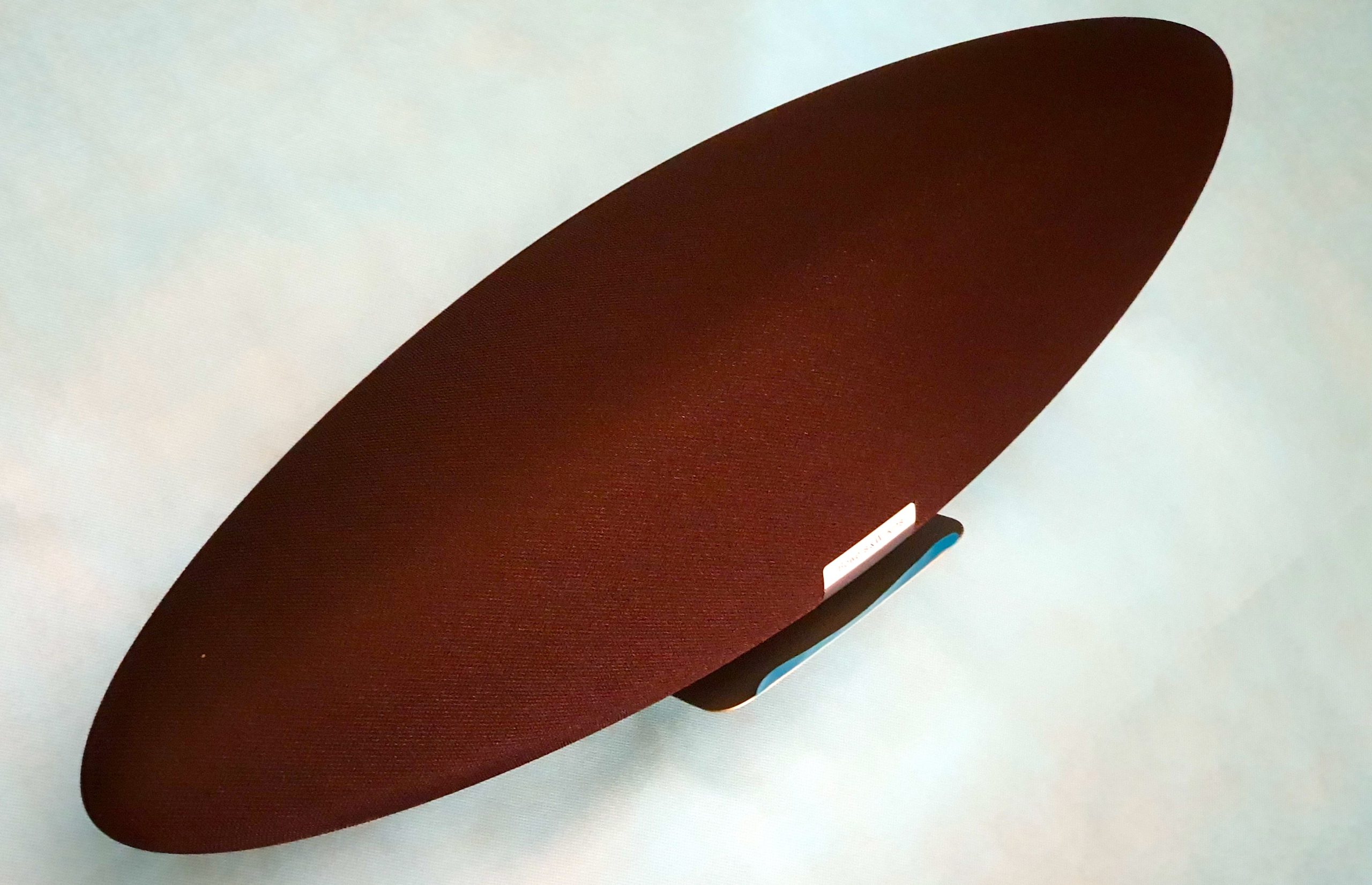
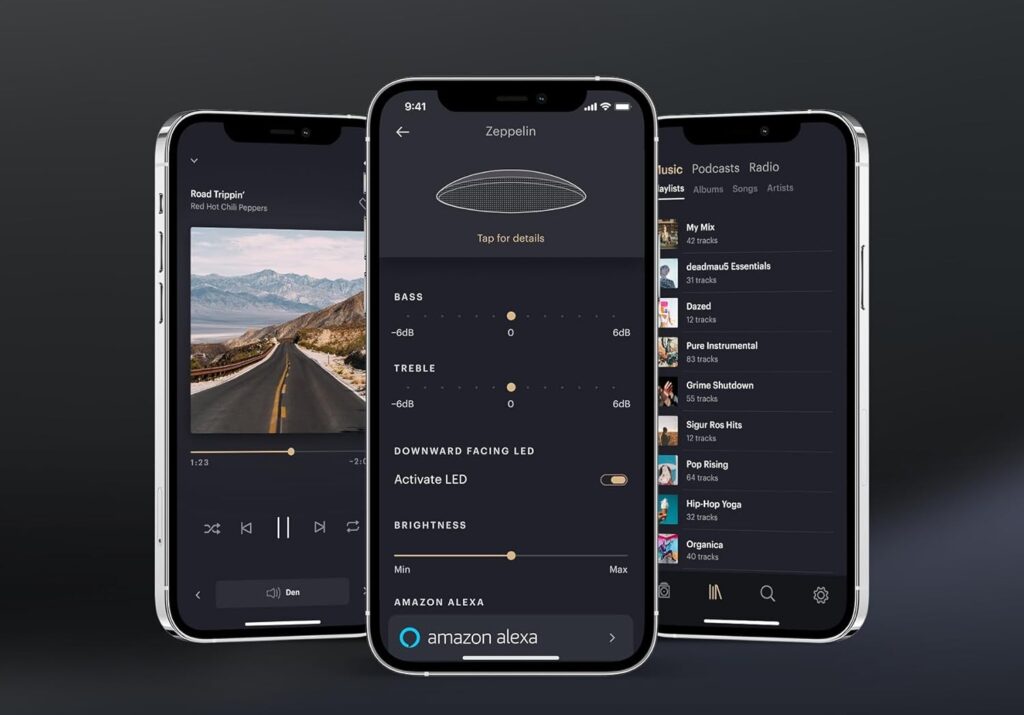
In 2021, B&W refreshed the speaker again. The 4th generation was simply called the Zeppelin, and it was entirely built for the streaming age. For streaming music, the new speaker supported Apple’s AirPlay 2, aptX Adaptive, Amazon Alexa, and Spotify. It supported multi-room functionality, and the speaker was controlled using the B&W “Music” app on a smartphone.
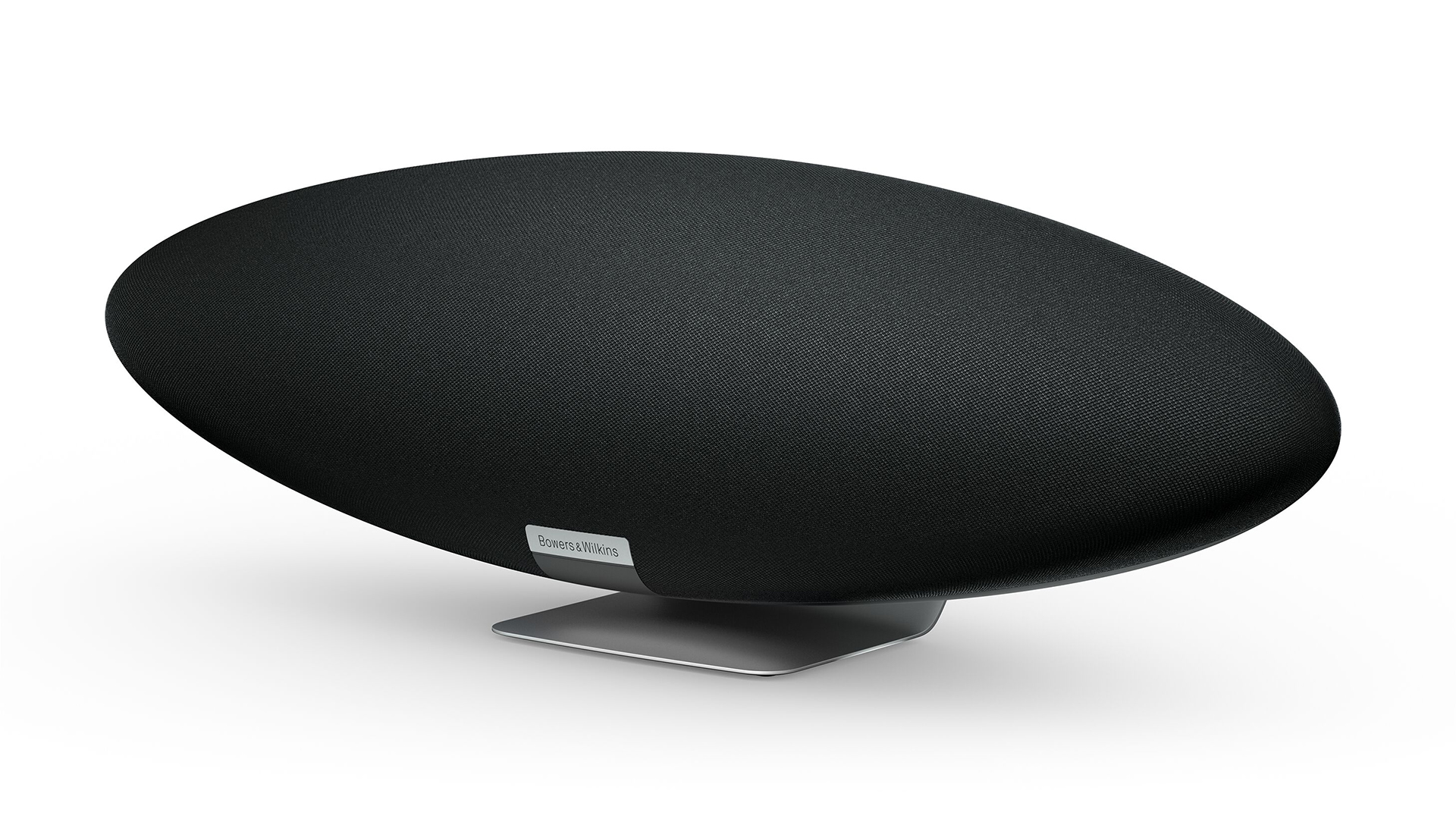
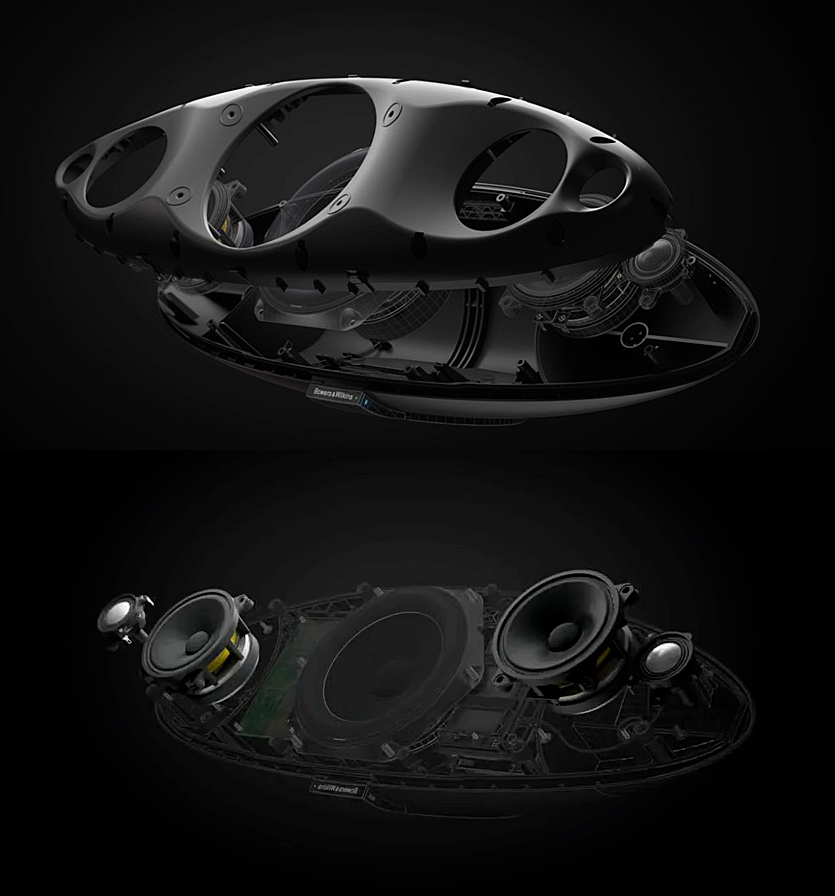
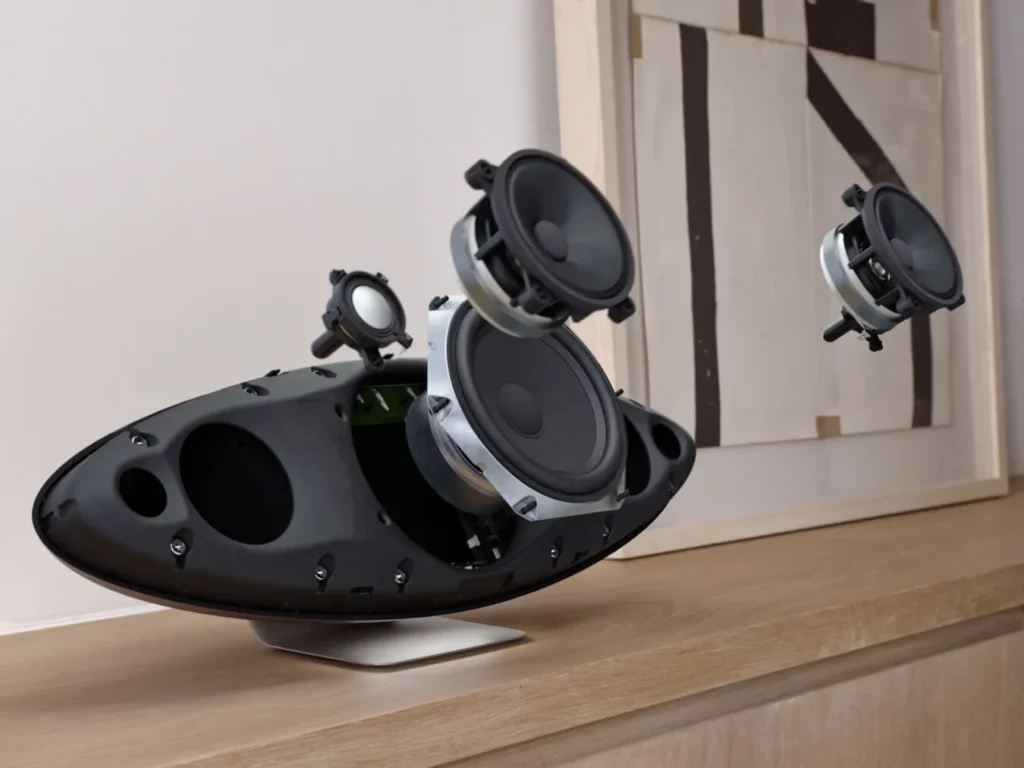
Under the fabric hood, it featured 240 total watts of power, used tweeters derived from the company’s 600-series speakers, two midrange drivers, and a central 6-inch subwoofer. With its elegant metal pedestal and dimmable “halo” lighting, it remained a striking statement piece for audiophiles.

The Zeppelin McLaren Edition
B&W released some special edition Zeppelins in 2023, partnering with automaker McLaren Automotive. These models used the same electronics and speakers as the 2021 model.
There were actually two distinct McLaren-themed Zeppelins. The Zeppelin McLaren Edition is the one you are most likely to find for sale. It features a “Galvanic Grey” body with a “Papaya Orange” stand and subtle orange accents.
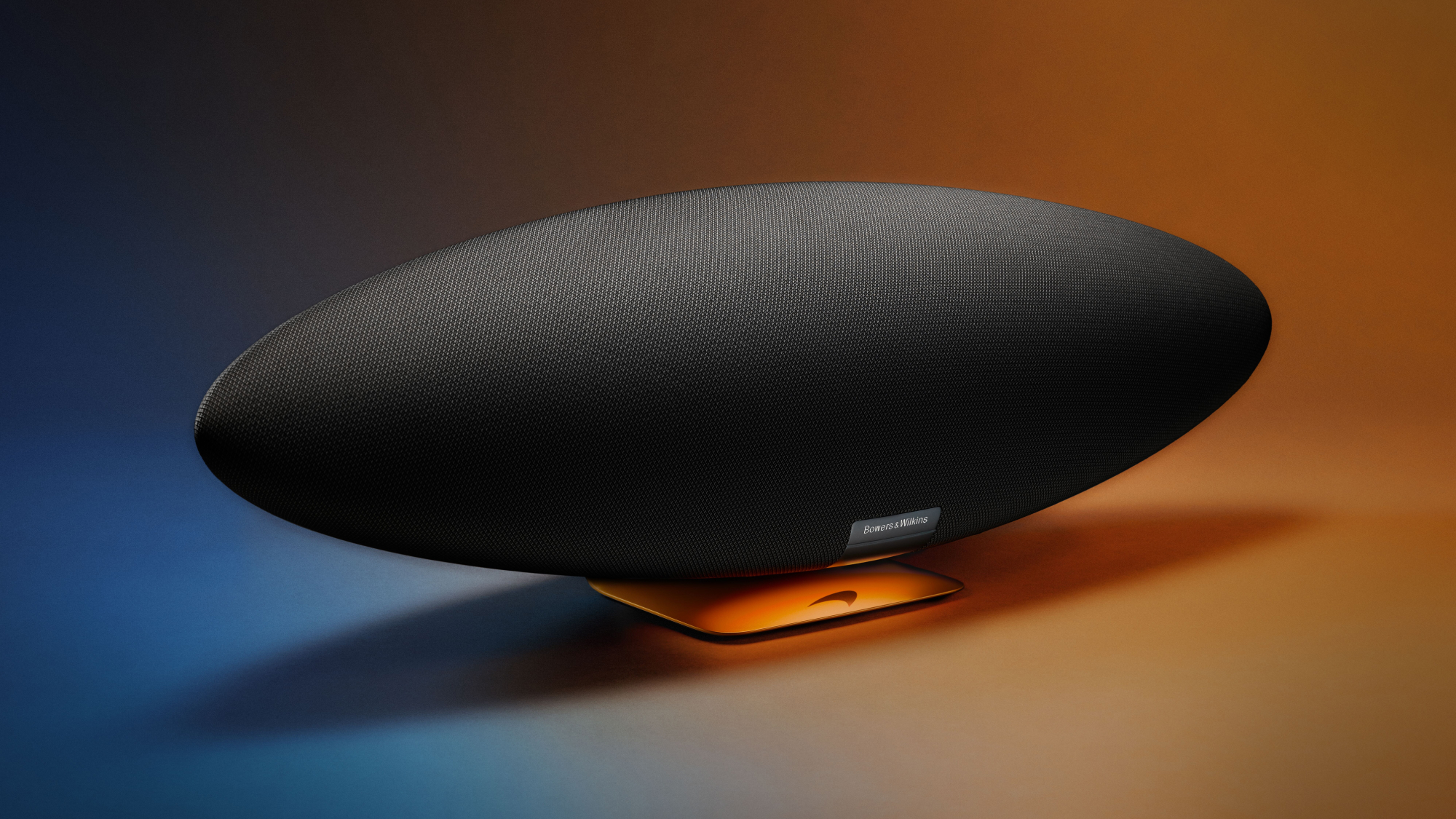
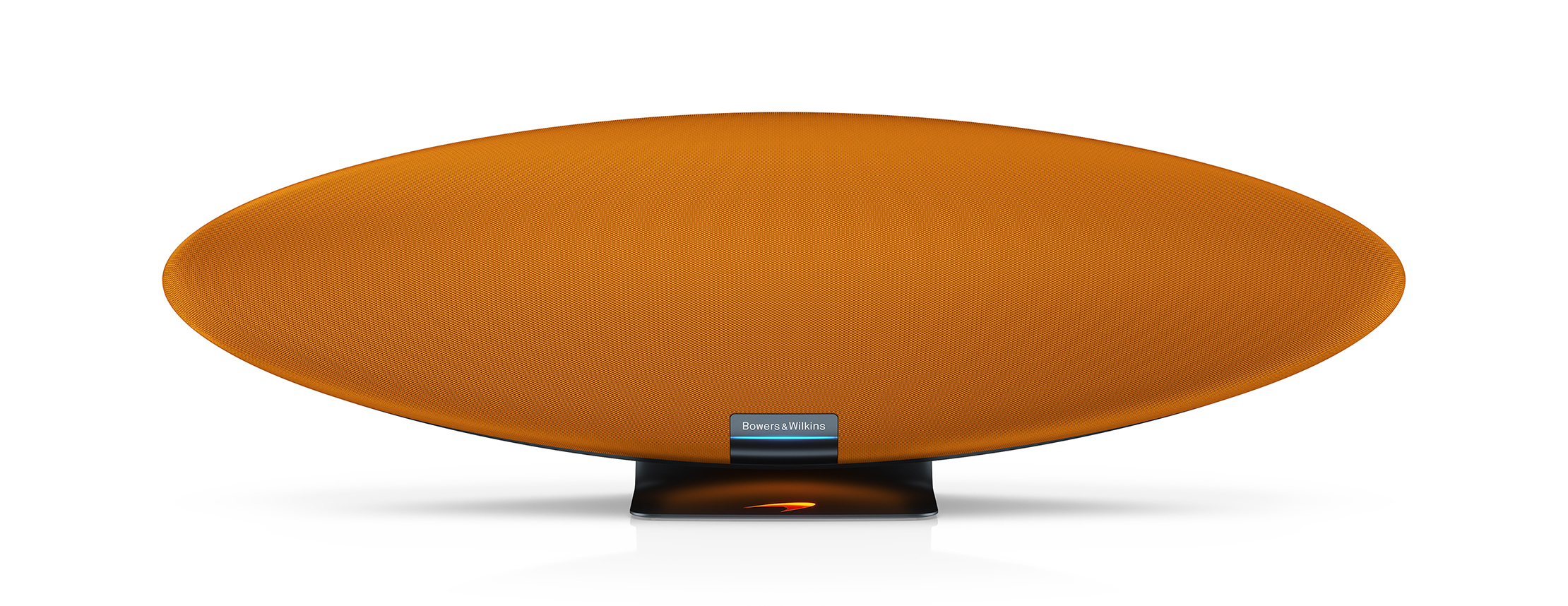
The McLaren 60th Anniversary Edition is much more rare. This version is a true collector’s item, designed specifically to honor the legacy of founder Bruce McLaren and 60 years of the brand. It used a much bolder, vibrant full Papaya Orange finish across the entire silhouette and the historic “Speedy Kiwi” logo on the rear, a direct homage to Bruce McLaren’s New Zealand roots.
The Zeppelin Pro Edition
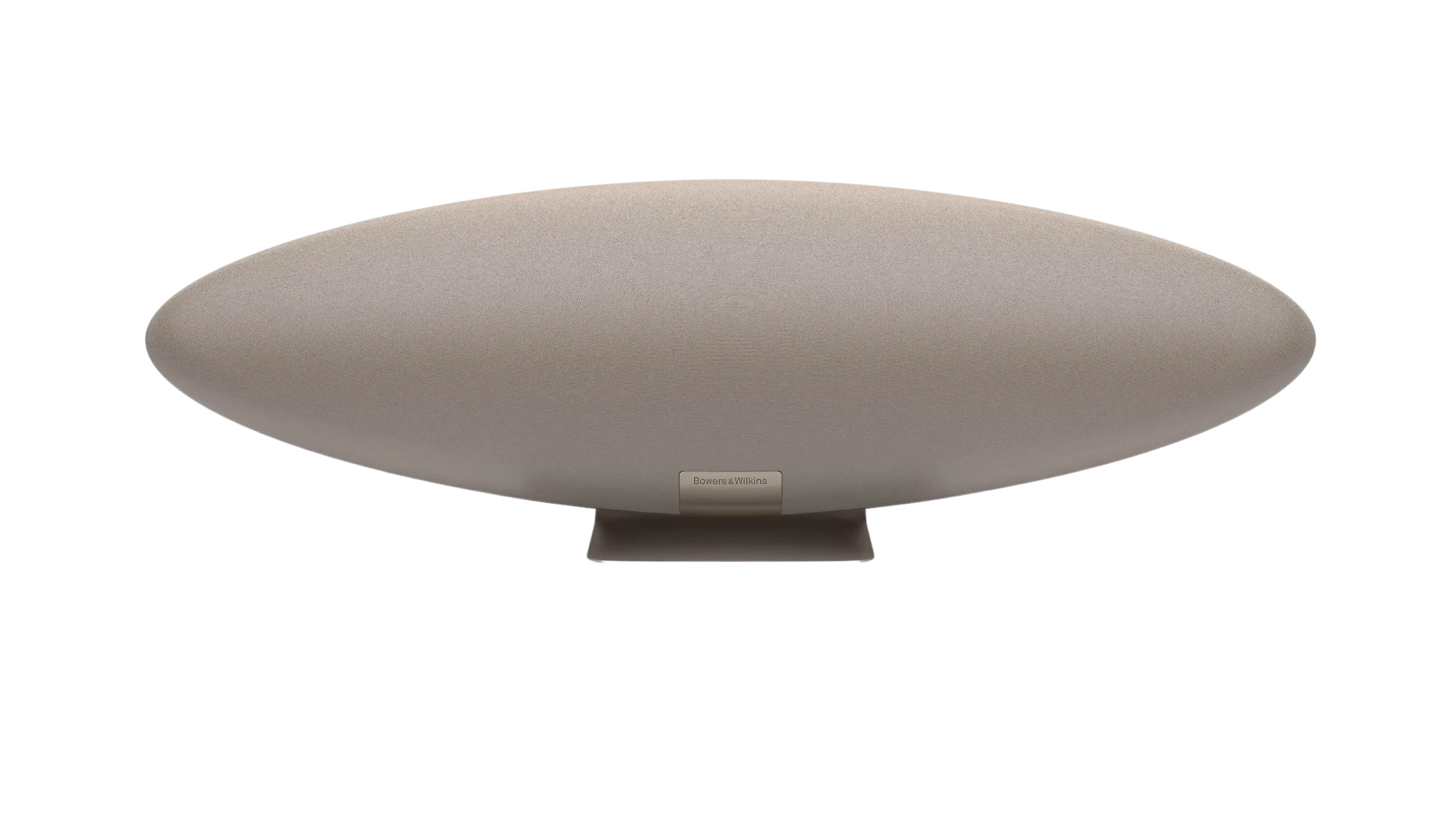
In 2024, B&W updated the speaker again; this latest model is called the “Pro Edition” and is the 5th generation of Zeppelin. It retains the aesthetic of the 2021 model, and features some hardware and software upgrades: new titanium dome tweeters, and a “retuned” DSP (Digital Signal Processor) for improved frequency response and clarity. The latest version of the B&W Music app supports more streaming services, including Deezer, Qobuz, TIDAL, Apple AirPlay, and Spotify Connect.
More Information
If you’d like to learn more about the Bowers & Wilkins Zeppelin, you can visit the company’s website at: www.bowerswilkins.com/en/
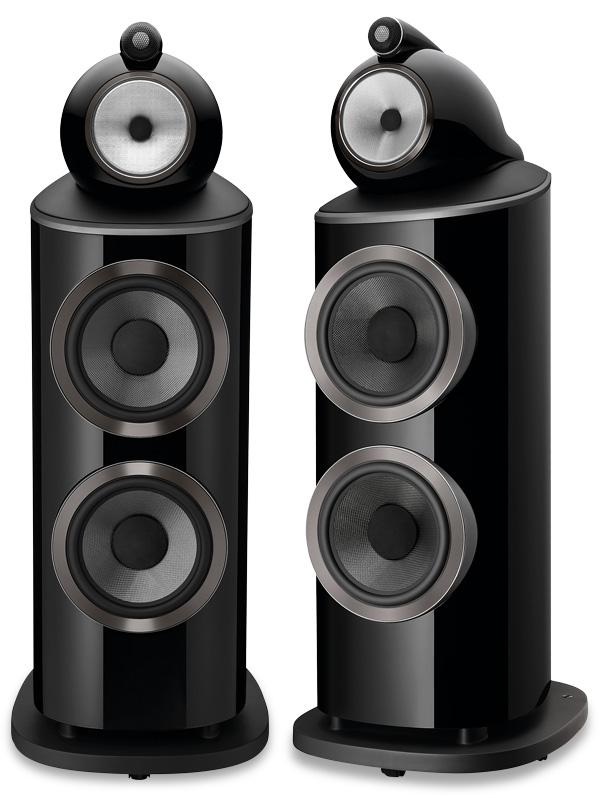
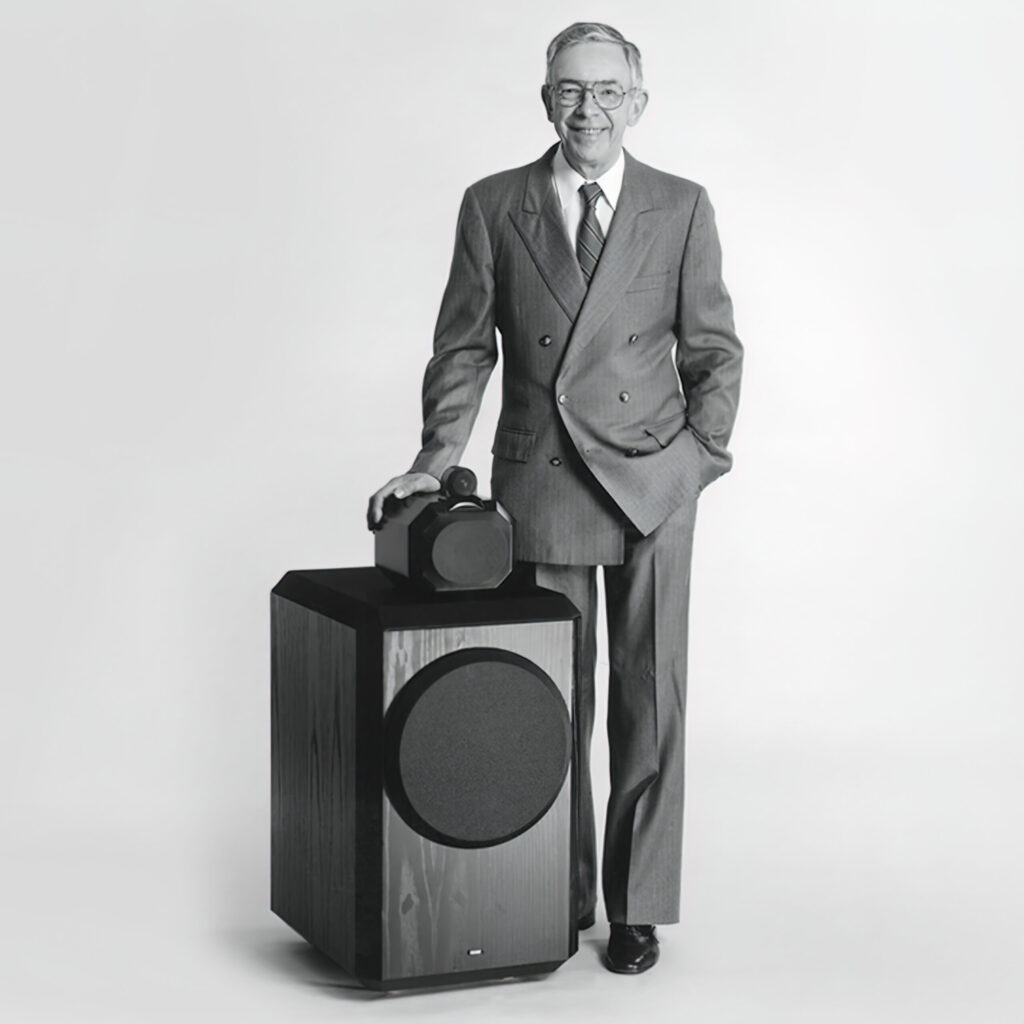
Bowers and Wilkins (the company) was inducted into the Hi-Fi Hall of Fame in 2024. To see our profile of this outstanding company, click on the image:
And finally, if you’d like to learn about the latest generation of Zeppelin airships, here’s a link to the “Zeppelin NT” website: zeppelinflug.de/de

Bowers & Wilkins Zeppelin: Induction into the Hi-Fi Hall of Fame
The Bowers & Wilkins Zeppelin is a rare product that marries a striking, sculptural aesthetic with high-performance acoustics. Its iconic silhouette – a direct historical nod to the majestic airships of the early 20th century – remains one of the most recognizable designs in audio history.
When the original Zeppelin debuted, it carved out a unique niche as the definitive high-fidelity tabletop speaker for the Apple iPod era. At a time when most docks were flimsy plastic accessories, B&W delivered a refreshing, modern powerhouse from a heritage brand, proving that convenience didn’t have to come at the cost of “true sound.”
Since that first launch, the Zeppelin has continuously evolved to lead the industry through every major technological shift. It’s connectivity capabilities have transitioned from a physical dock to seamless wireless streaming. It employs the latest “smart” features, integrating high-resolution streaming with multi-room capabilities.
For its role in defining the premium wireless speaker category and its unwavering commitment to both form and function, the Bowers & Wilkins Zeppelin is inducted into the Hi-Fi Hall of Fame.