Hi-Fi Hall of Fame
Business Inductee
Tidal
Tidal – Introduction
Our next inductee is a music streaming service renowned for its commitment to delivering exceptional hi-fi audio quality to listeners worldwide: Tidal.
Let’s explore what makes Tidal worthy of a place in the Hi-Fi Hall of Fame.
Tidal – Background
The company behind Tidal was a Norwegian technology firm called Aspiro. Founded in 1998 by Jörgen Adolfsson, Christer Månsson, and Klas Hallqvist, the company was built by three wireless industry experts who recognized the future potential of streaming music directly to mobile phones.

The company launched its first music streaming service in 2009 under the name WiMP in Europe, while the service operated as Tidal in the rest of the world.
By the end of 2014, the platform had grown to more than 500,000 paying subscribers. From the beginning, the service distinguished itself by offering higher-quality audio at a premium price, appealing to a dedicated niche of hi-fi music enthusiasts.
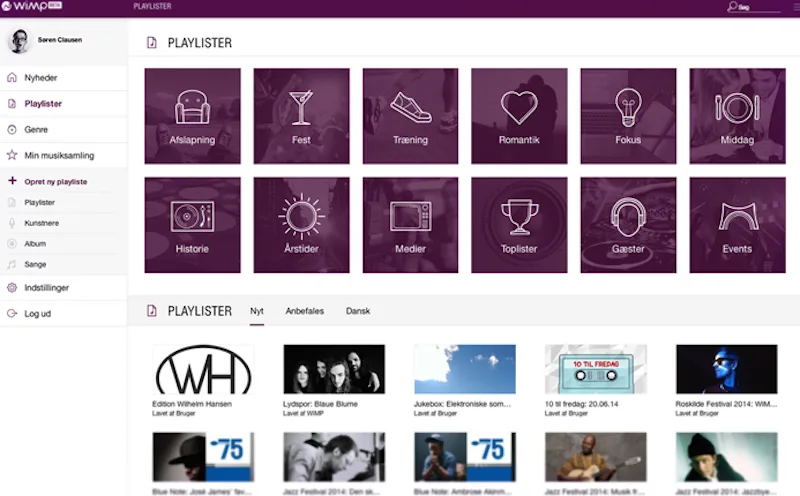
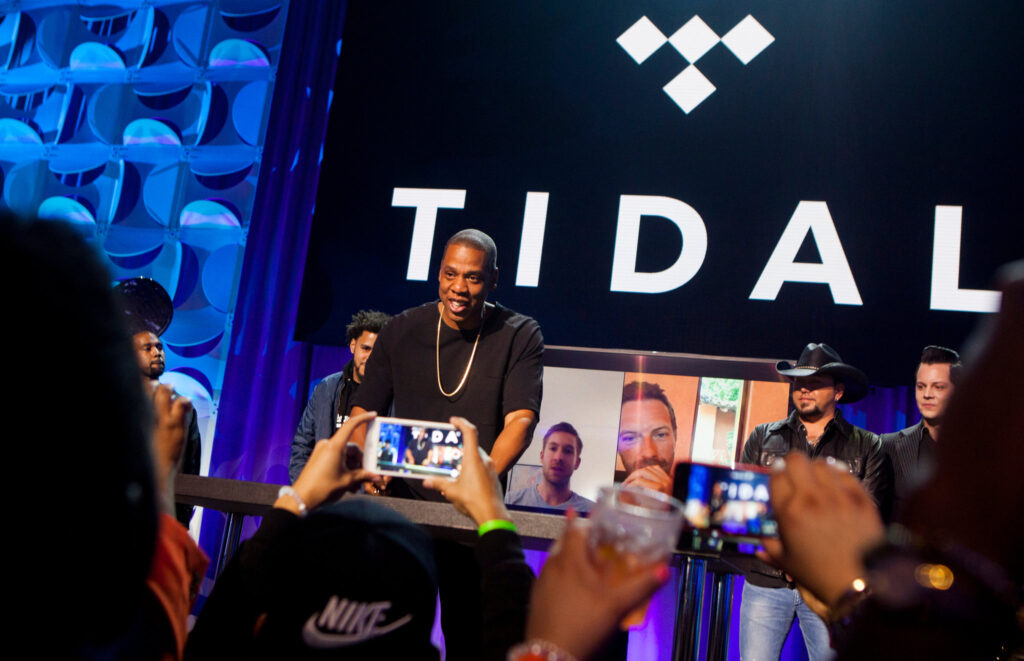
In 2015, the company was acquired by a consortium led by rapper Jay-Z. The transition to new ownership proved challenging, but the company continued to grow. The WiMP brand was eventually retired in favor of the Tidal brand, which would be used worldwide.
On March 4, 2021, Block — then still operating under the name Square — announced an agreement to acquire a majority stake in Tidal. The deal was finalized shortly afterwards during the second quarter of 2021. As part of the agreement, Jay-Z joined Block’s Board of Directors after previously leading Tidal’s artist ownership group.
Block co-founder Jack Dorsey explained that the acquisition was designed to create new opportunities for artists by connecting Tidal with Block’s financial ecosystem, including services such as Square and Cash App. The broader vision was to empower musicians to operate more effectively as entrepreneurs.
Today, Tidal continues to operate as an independent brand within the Block ecosystem alongside the company’s other major platforms, including Square and Cash App.
Tidal Streaming Technology
While Tidal remains a smaller player compared to streaming giants such as Spotify and Apple Music, it has carved out a loyal following among serious music listeners and audiophiles.
The platform is estimated to have between 3 and 5 million paid subscribers worldwide and holds roughly 1 percent or less of the global music streaming market.
Today, Tidal is available in more than 60 countries and offers a catalog of over 110 million music tracks. Despite its relatively small market share, the service continues to distinguish itself through its strong focus on high-fidelity audio quality and premium listening experiences.
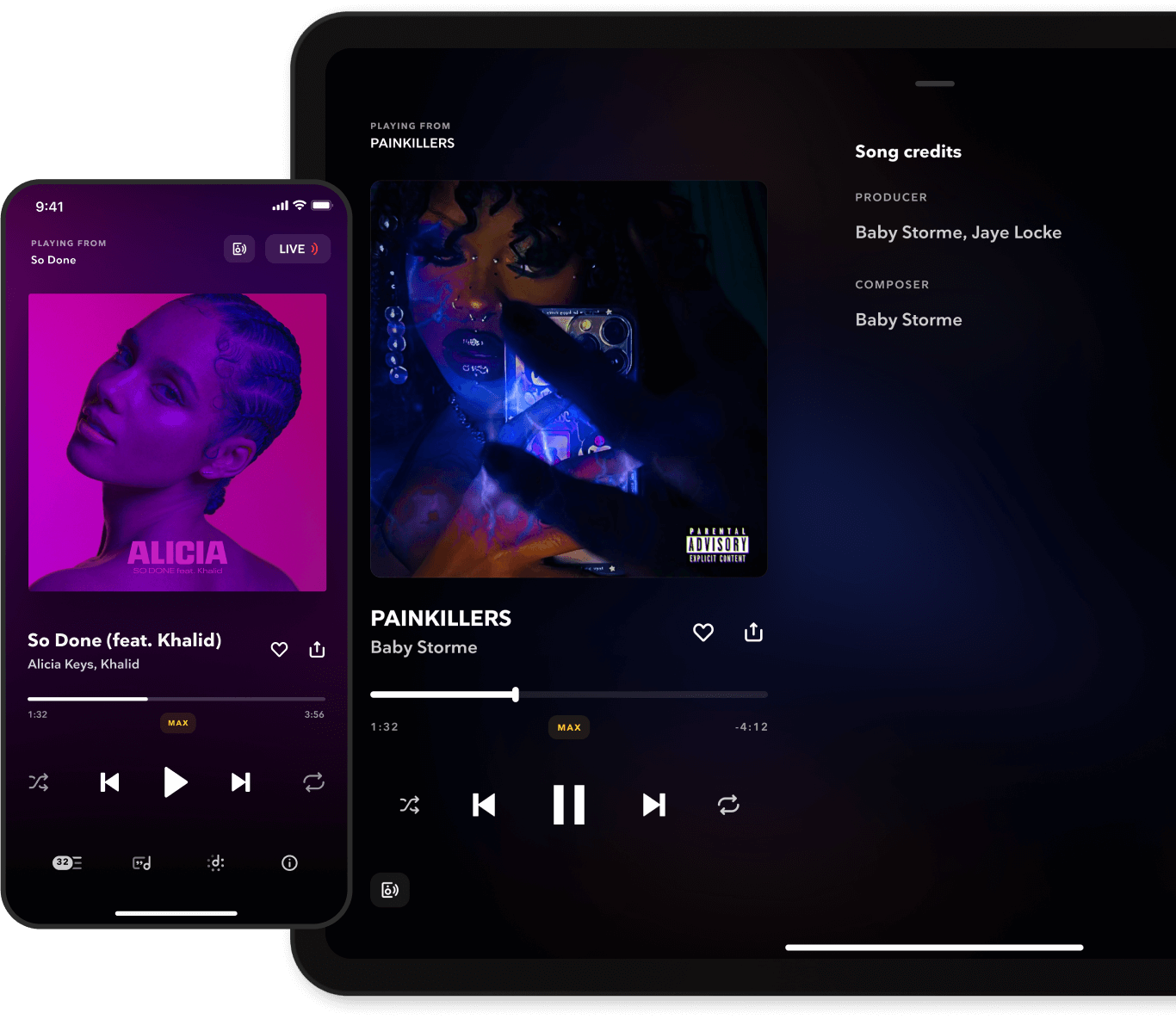
Tidal delivers music at 3 tiers, depending on your Internet connection and the capabilities of your listening devices.
The “Low” tier delivers music using the AAC (Advanced Audio Coding) codec. AAC is a “lossy” digital audio compression format designed to deliver better sound quality than MP3. Tidal’s “Low” tier uses bitrates up to 320 kbps (kilobits per second), so the audio quality can be quite good.
The “High” tier delivers music using the FLAC (Free Lossless Audio Codec) codec. FLAC is a “lossless” digital audio format designed to compress music files without sacrificing any audio quality. Unlike MP3 or AAC, FLAC does not remove audio information during compression. When a FLAC file is played back, the audio is identical to the original studio master or CD source. Tidal’s “High” tier operates at CD quality, meaning 16 bit depth with a 44.1 kHz (kiloHertz) sampling rate.
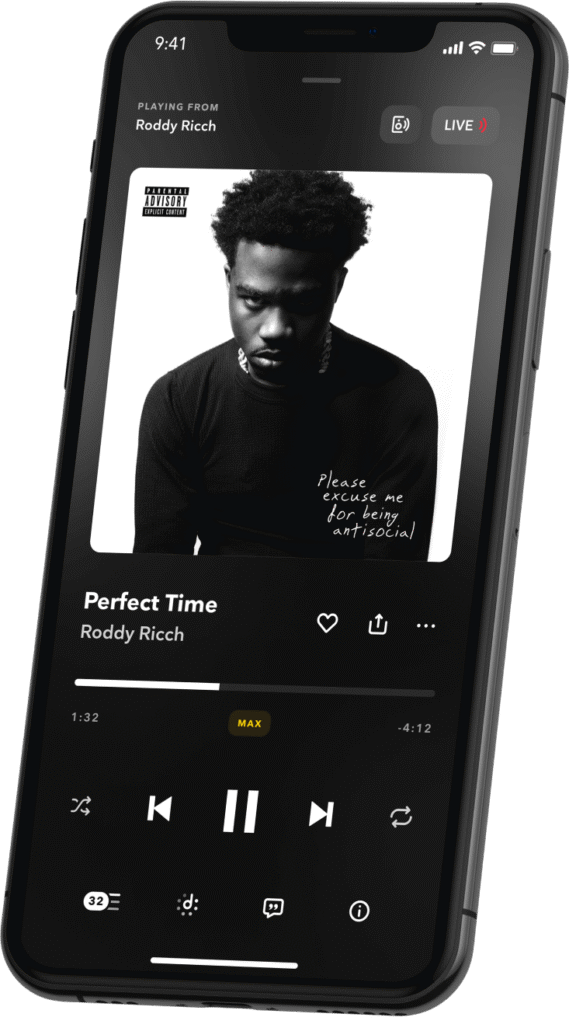
The “Max” tier streams music using “Hi-Res” (high resolution) FLAC, with up to 24 bit resolution and 192 kHz sampling rate. With the current state of audio technology, this is as good as it gets for audiophiles. The listener really needs to have an excellent Internet connection to take advantage of the “Max” tier: Tidal recommends a 5G (fifth generation) cellular, fast Wi-Fi, or even a “hard wired” connection. The listening device, whether it’s a network streamer or a smart speaker also needs to be capable of decoding Hi-Res FLAC.
The Tidal service also supports Dolby Atmos technology for some content. Atmos delivers “immersive” or “surround” sound, similar to what you would hear in a movie theatre or home theatre system.
Tidal Connect
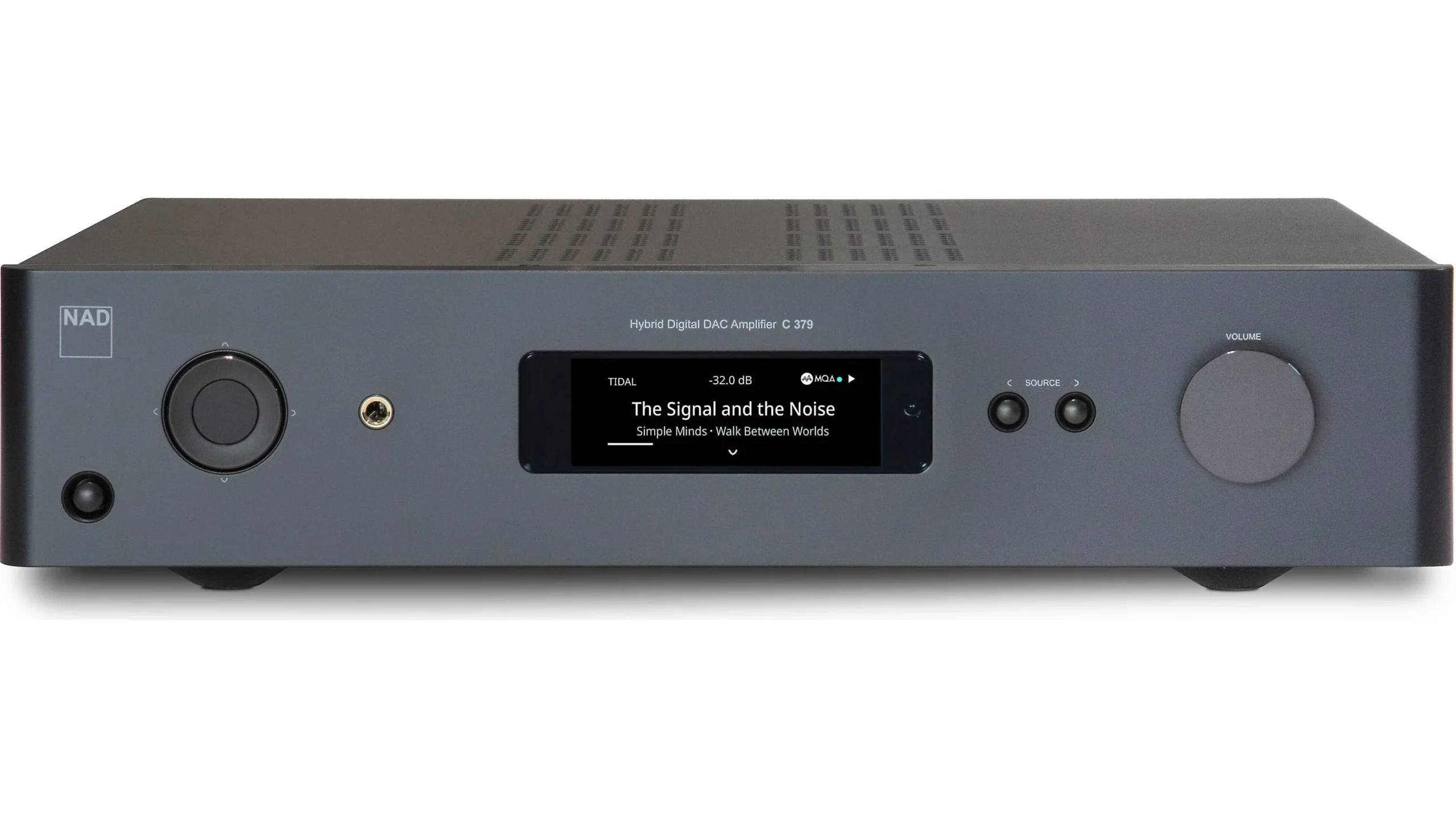
Beyond its premium streaming quality, Tidal offers “Tidal Connect”, a specialized casting technology built specifically for high fidelity audio. While it may look like standard casting at first glance, it provides several technical advantages for the discerning listener.
First, Tidal Connect uses the smartphone only as a controller, which means:
- Zero Interruptions: Take calls, watch videos, or receive notifications without interrupting the music or hearing system sounds through your speakers
- Battery Preservation: Since your streamer handles the heavy lifting, your phone’s battery usage is significantly reduced
Second, Tidal Connect is integrated directly into your streaming device’s firmware; direct hardware integration provides a more robust connection and faster response times than generic casting technologies
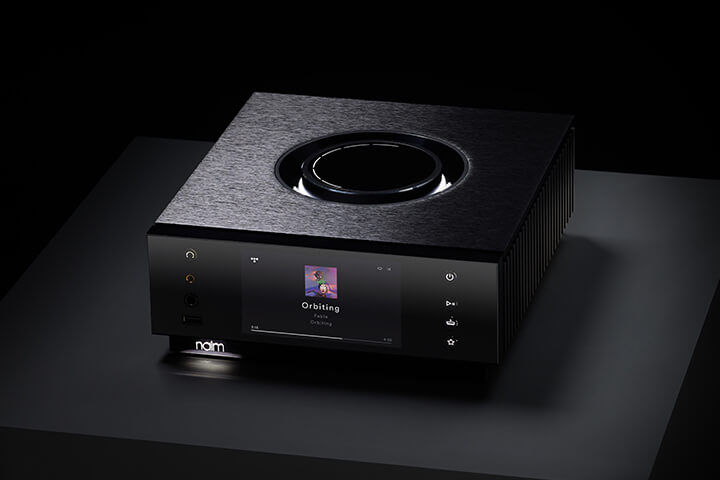
- Tidal Connect is built into streamers from high end brands such as KEF, NAD, Cambridge Audio, and Naim for those wanting the best quality
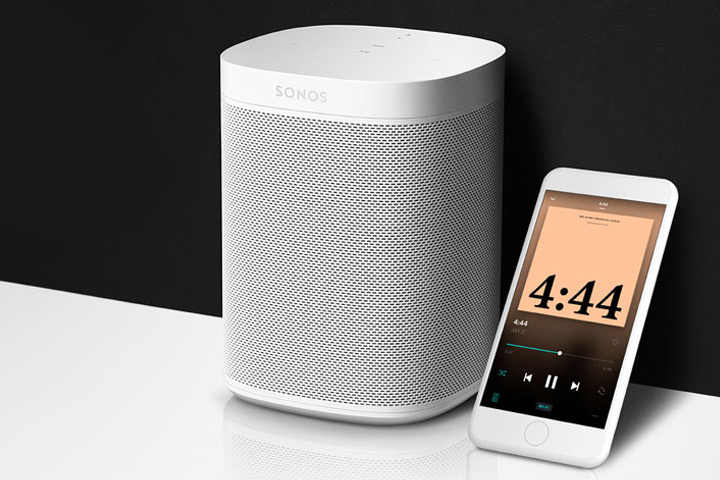
- Tidal Connect is also available in products from midrange brands, such as WiiM and Sonos, to reach a broader audience
- Tidal Connect supports “gapless playback”, essential for live recordings and classical music, it ensures a seamless transition between tracks without the silence that sometimes occurs with standard wireless protocols

Tidal “DJ Extension”
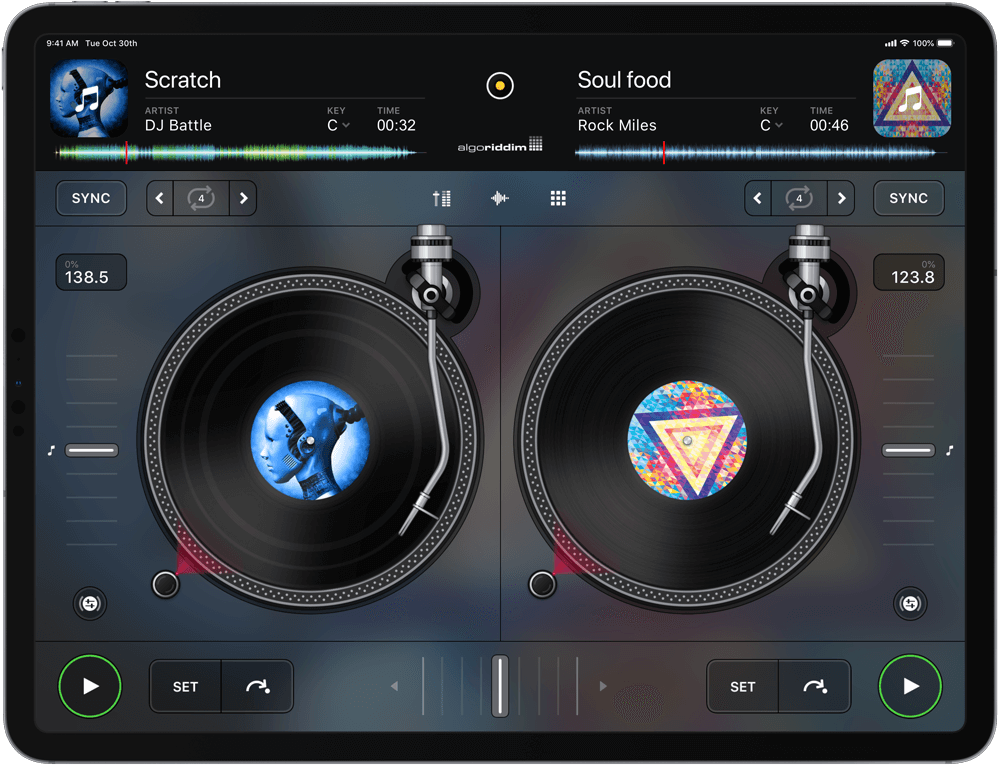
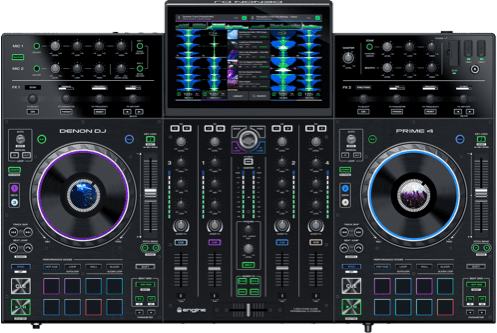
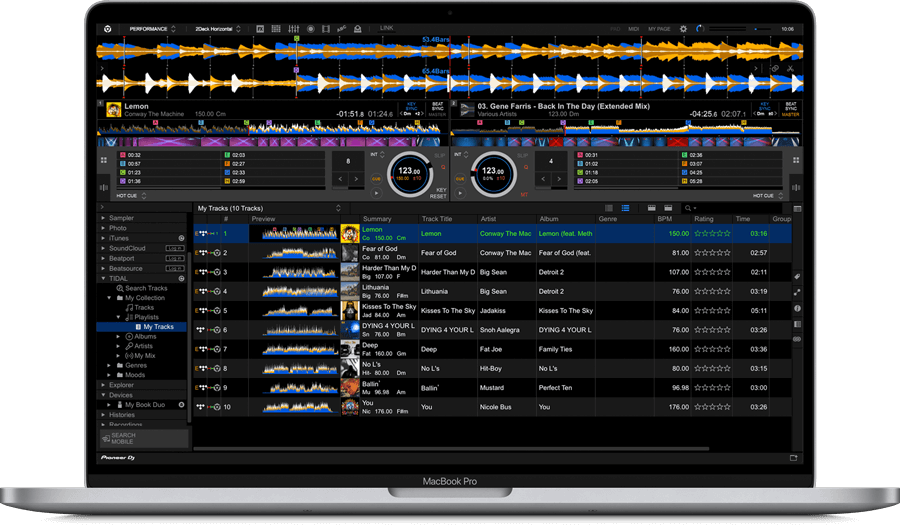
Another differentiator for Tidal is their “Tidal DJ Extension” option. It allows professional and amateur disc jockeys to directly access Tidal’s massive music catalog within their DJ software and hardware systems. The extension supports real time “stem separation”, meaning that DJs can isolate vocals, drums, bass lines, or instrumental elements in real time, enabling more creative live mixing and remixing.
DJ Extension retains access to Tidal’s lossless and HiRes FLAC audio quality, depending on software compatibility and internet bandwidth. The Tidal DJ Extension works with many of the industry’s leading DJ platforms, giving DJs access to all of Tidal’s music library. The DJ Extension is compatible with DJ apps from many of the industry’s DJ companies, including:
- Algoriddim djay
- Engine DJ
- Serato DJ
- Rekordbox
- VirtualDJ
- Denon DJ
Tidal Support for Artists
Tidal continues to operate as an artist-focused platform, especially for new and emerging musicians. One of its main initiatives has been “TIDAL RISING”, a program originally launched in 2015 to spotlight developing artists through playlists, editorial features, marketing campaigns, live performances, and fan engagement opportunities.
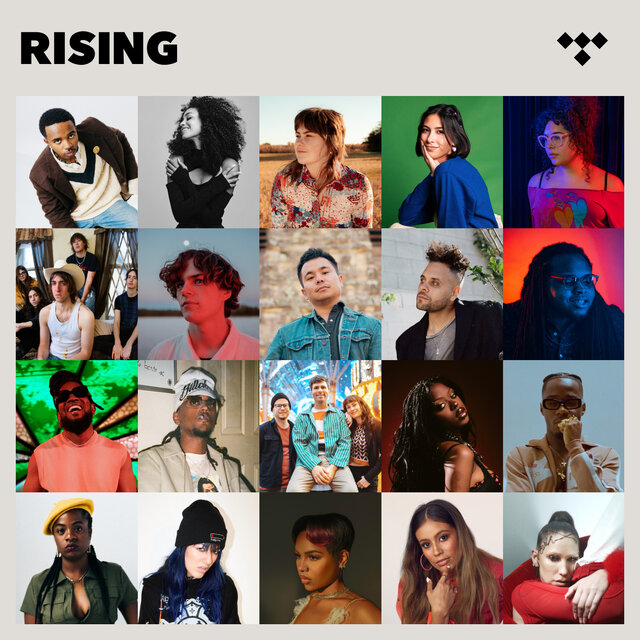
Tidal has supported emerging artists in several ways:
- Featured placement on curated playlists and homepage promotions
- Video content, interviews, and documentary-style artist features
- Performance opportunities and live event exposure
- Industry networking and label connections
- Direct financial support and career development initiatives
- Access to Tidal’s high-fidelity streaming audience and artist-centric branding
The platform has previously highlighted artists such as 21 Savage, Chloe x Halle, and Megan Thee Stallion, long before they achieved mainstream success.
More about Tidal
If you’d like to learn more about Tidal, here are some links to the company’s websites:
For all of their services and plans, visit the top level website: tidal.com/
For the “DJ Extension” add-on: tidal.com/djs
To learn about Tidal “Connect” and see which devices support the technology: tidal.com/connect
And finally, to learn about their “Rising” program support for artists: tidal.com/formusic
Tidal Induction into the Hi-Fi Hall of Fame
Many audiophiles lament the transition from conventional Hi-Fi sources such as vinyl records, CDs, and magnetic tape, but it is a sign of the times that people – especially younger people – are increasingly using streaming services to listen to music.
For many years, streaming audio was not very good, but recent technology advancements have made it possible to stream audio with superb, Hi-Fi audio quality. Tidal has always had a focus on audio quality, rather than acquiring the greatest number of subscribers or offering the lowest price.
The latest version of Tidal takes advantage of many of these technologies:
- the best high resolution codecs including FLAC
- adaptive streaming which gives the listener the “optimum” experience, depending on the Internet connection quality
- immersive technologies such as Dolby Atmos
- their propriety casting technology “Tidal Connect”
- a great user interface which works on phones, laptops, and tablets
- a “DJ Extension” service that makes TIDAL’s library of music available to music professionals
We also commend Tidal for their “Tidal Rising” program which supports rising music artists, and for their “DJ Extension” add-on which makes integration easy for music professionals.
For all of these reasons, Tidal is inducted into the Hi-Fi Hall of Fame.