
Hi-Fi Hall of Fame
Business Inductee
KEF
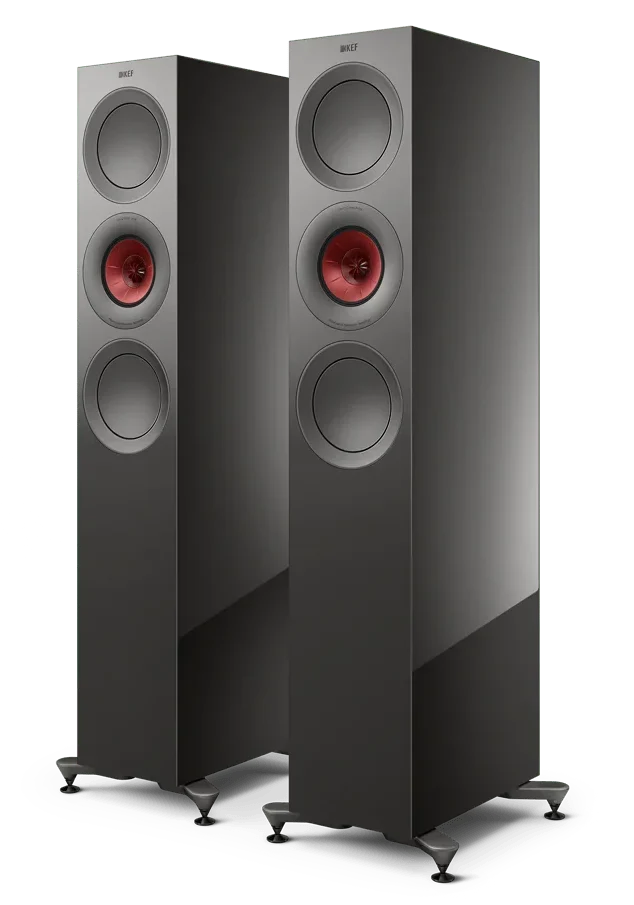
KEF – Introduction
Our next inductee is a loudspeaker manufacturer that has been producing superb products since 1961. KEF was founded by Raymond Cooke, an engineer who worked at the British Broadcasting Corporation until striking out on his own.

Today, KEF is still producing world class speakers, more than 65 years after its founding. Let’s look at the many great achievements and designs that have earned the company a place in the Hi-Fi Hall of Fame.
KEF in the 1960s
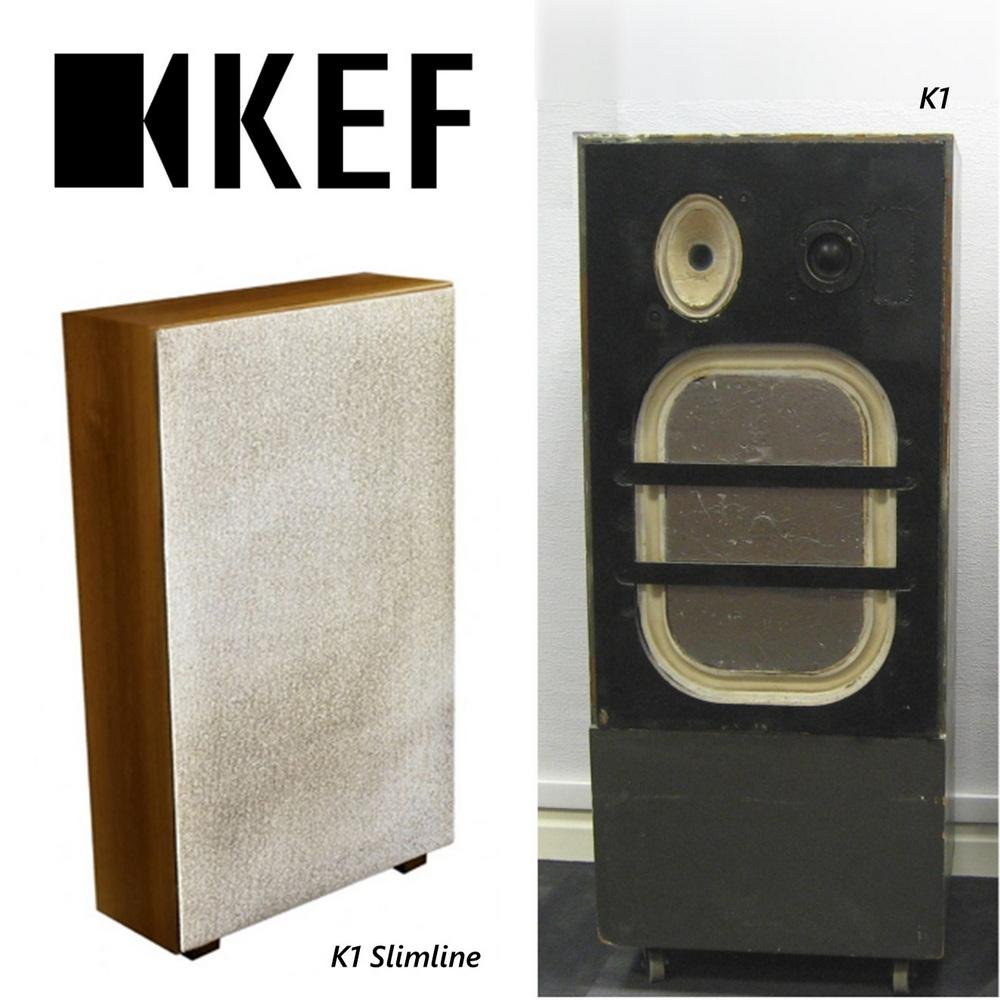
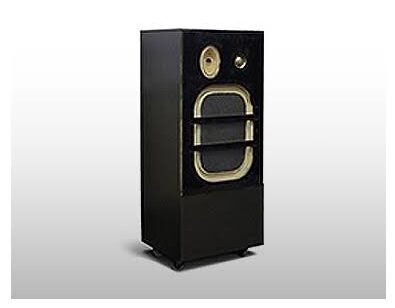
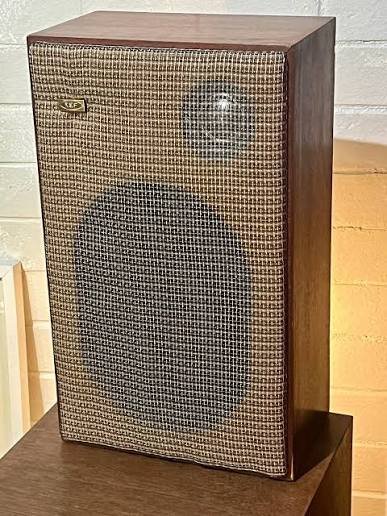
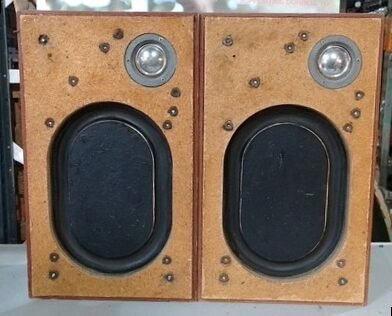
KEF launched its manufacturing journey with the K1 “Slimline”, which featured polystyrene and Melinex drivers. In 1962, the company introduced the iconic B139 “racetrack”-shaped woofer, driving the creation of the Celeste—one of the first genuine high-performance bookshelf speakers. Former chief engineer Laurie Fincham later revealed that the B139’s vertical ovoid shape was purely a workaround for British tax laws, which penalized two-way speakers under a specific width while exempting “professional” models (defined as having woofers larger than 8 inches or a 3-way design).
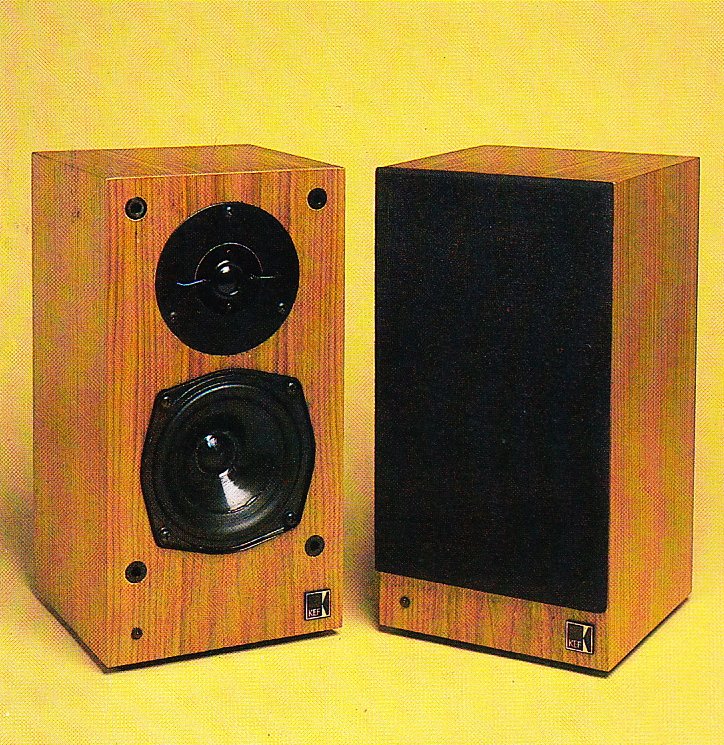
During the mid-1960s, KEF deepened its ties with the BBC by manufacturing monitor speakers such as the LS5/1A and LS5/5A for both the BBC and the consumer market. This era also saw KEF introduce the B110 Bextrene bass/midrange driver and the T27 Melinex dome tweeter.
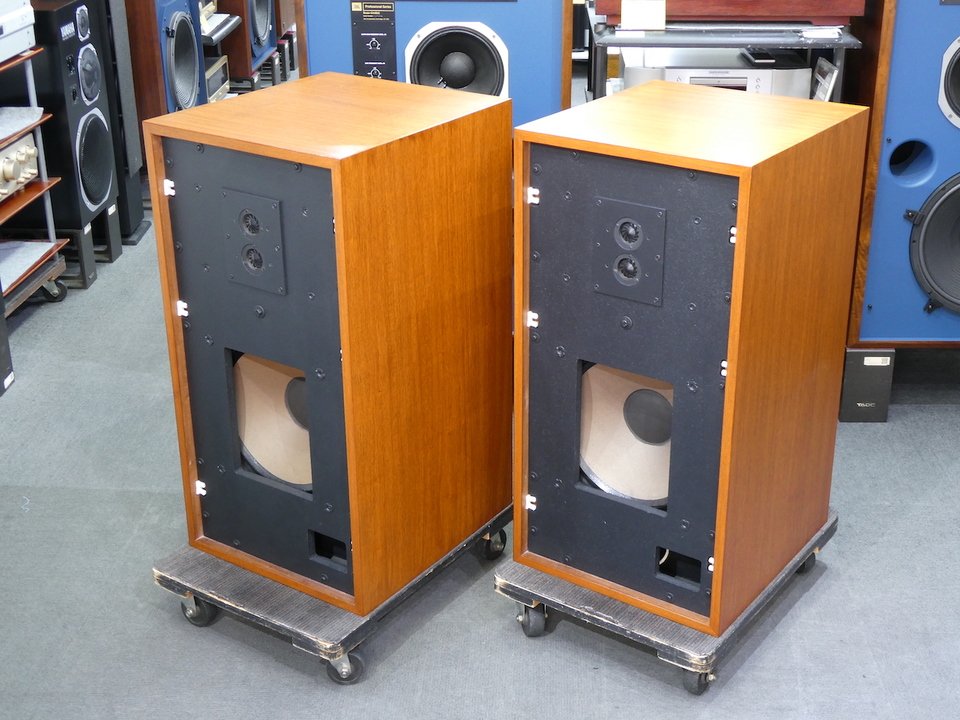
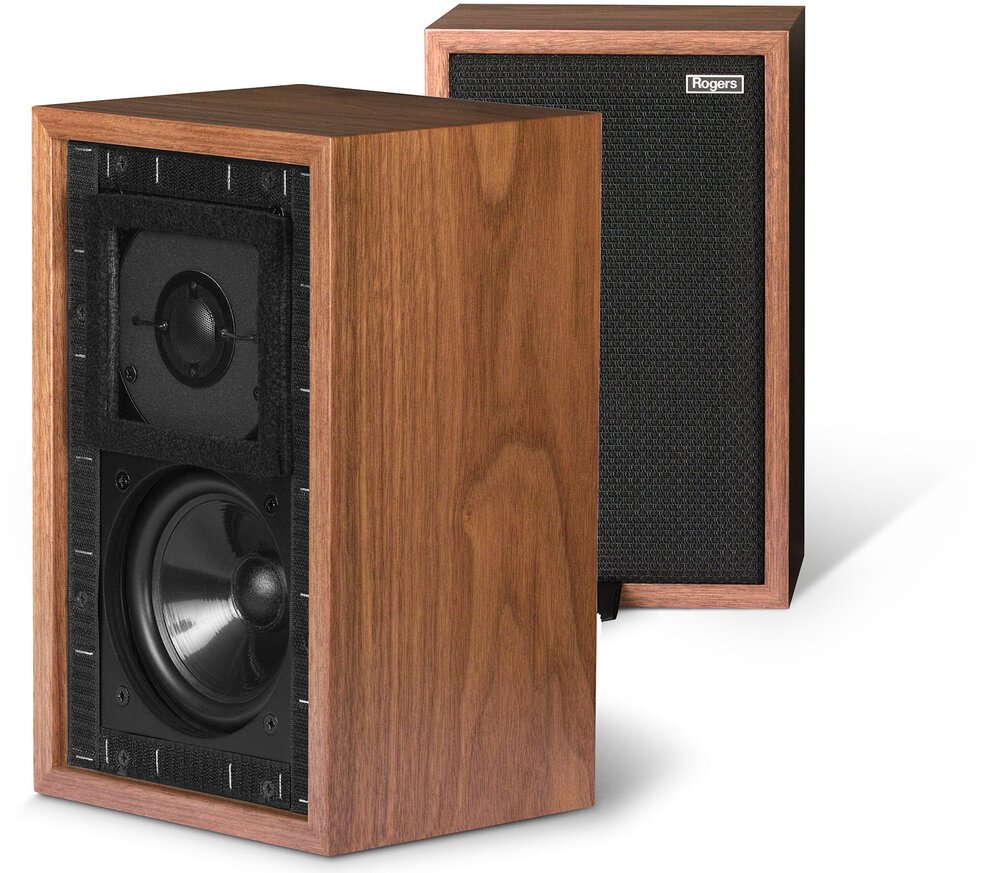
These latter two components eventually powered the legendary LS3/5A broadcast monitor. Originally designed for cramped broadcast vans, the LS3/5A became a global success, selling over 50,000 pairs worldwide and being manufactured under license by companies such as Rogers. The partnership was mutually beneficial: the BBC provided rigorous performance standards and real-world testing grounds, while KEF brought pioneering work in polymer materials and computerized quality control to the table.
The 1970s
During the 1970s, KEF emerged as a digital pioneer, becoming one of the first loudspeaker manufacturers to harness computers for speaker modeling and design.
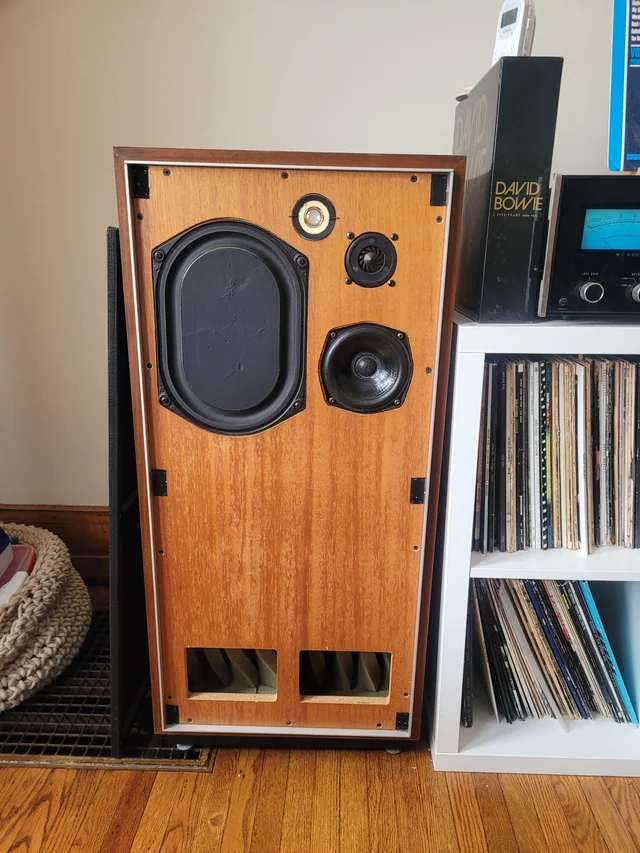
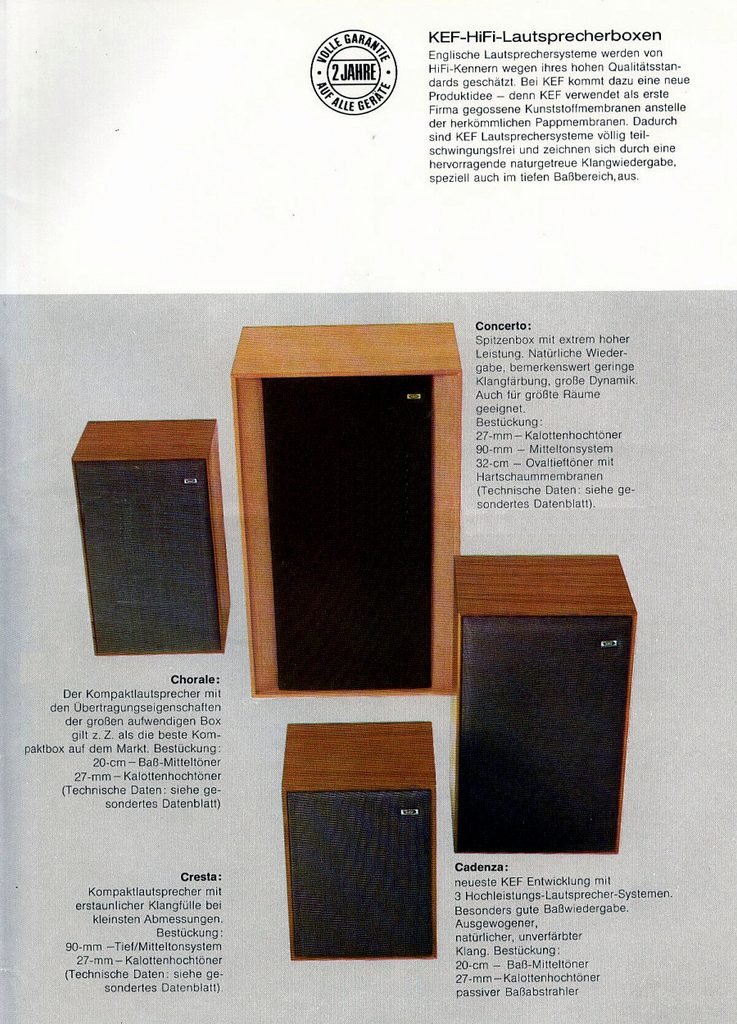
Beyond building its own complete systems, KEF developed a thriving Original Equipment Manufacturer (OEM) operation supplying raw drivers, baffles, and speaker assemblies to other brands. Founder Raymond Cooke recognized early on that the commercial advantages of selling components to competitors far outweighed any risk of cannibalizing KEF’s own market share. The strategy paid off: peak driver production reached an impressive 10,000 units per week.
A diverse network of industry players relied on KEF drive units:
- British Hi-Fi Brands: IMF, Rogers, Celef, and Monitor Audio
- International Audio Leaders: Sonus Faber and Wilson Audio
- Scottish Innovators: Linn Products, which incorporated KEF drivers into its famous Isobarik, Sara, and Kan models
- DIY Enthusiasts: Audio hobbyists who built custom cabinets around KEF components via popular “KEFKIT” sets
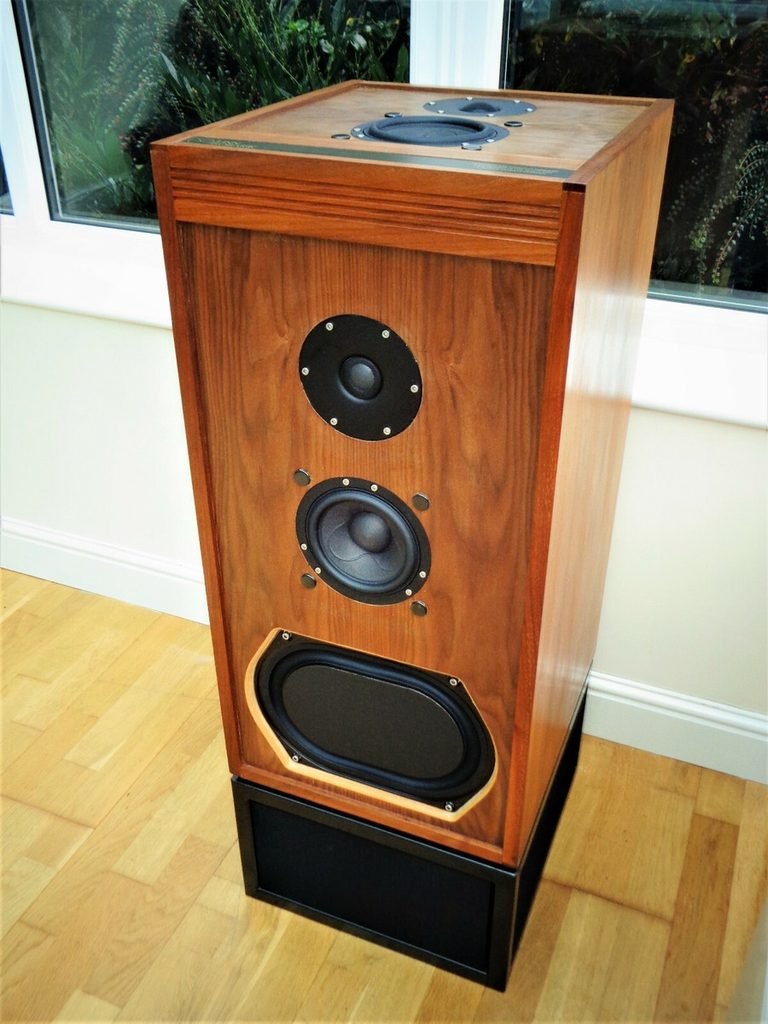
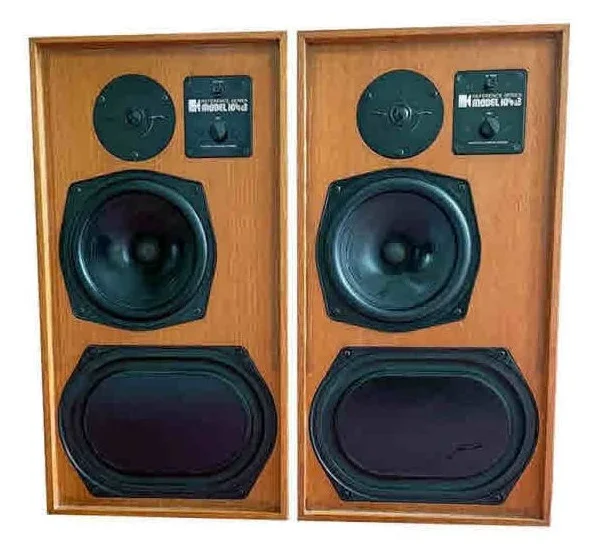
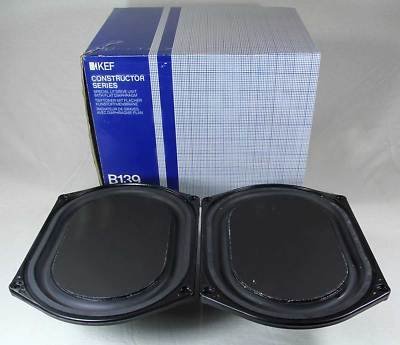
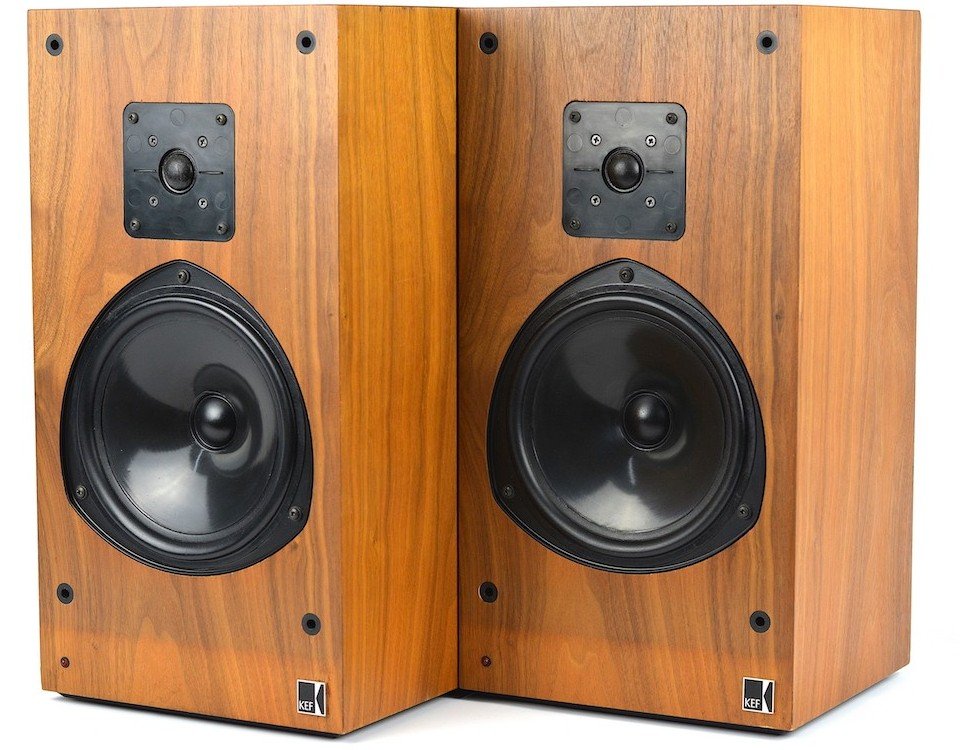
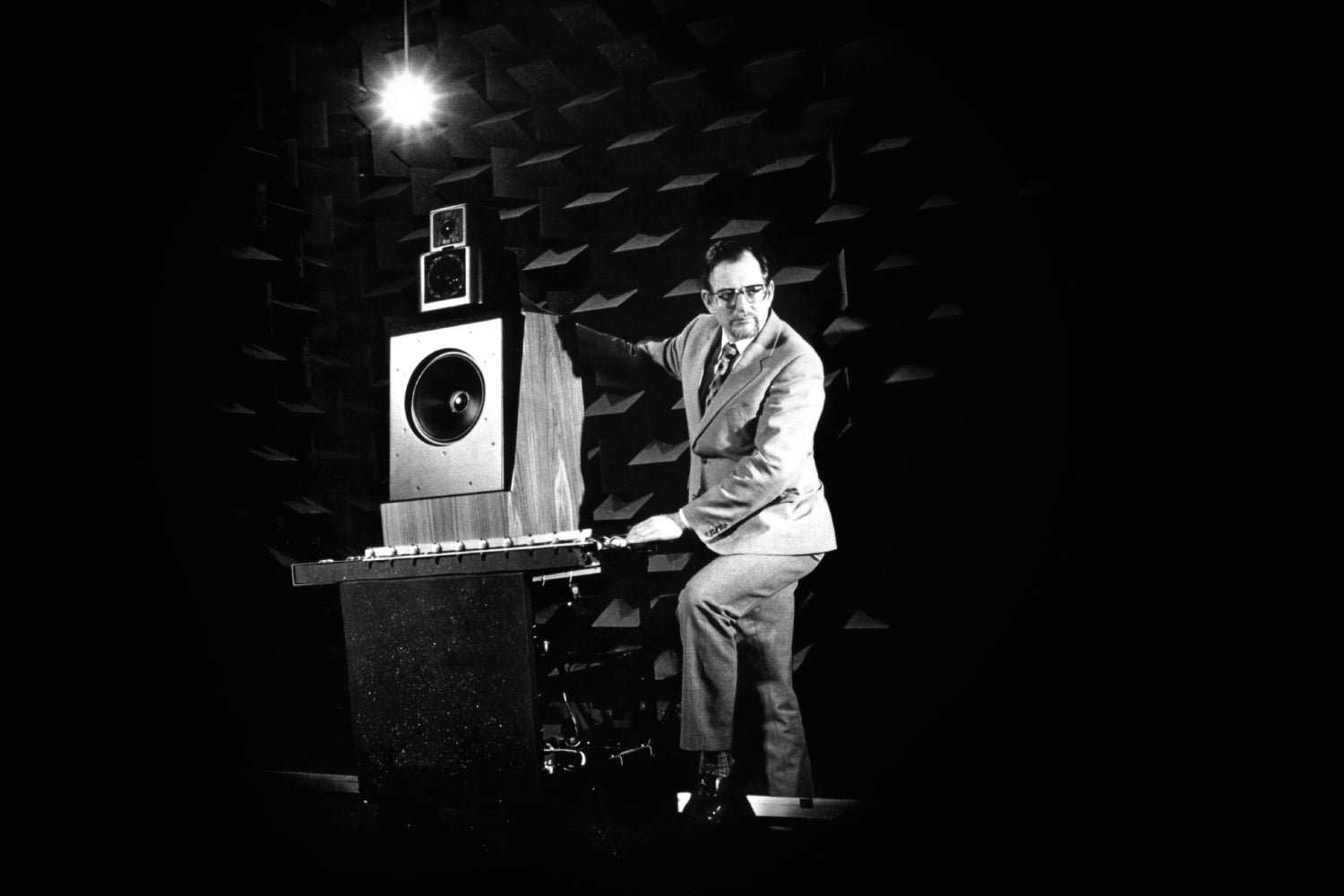
In recognition of his contributions to the British audio industry and the export economy, Queen Elizabeth II awarded Raymond Cooke an “Order of the British Empire” (OBE) award in 1979.
The 1980s
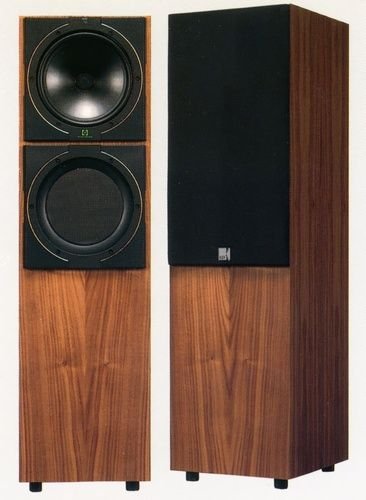
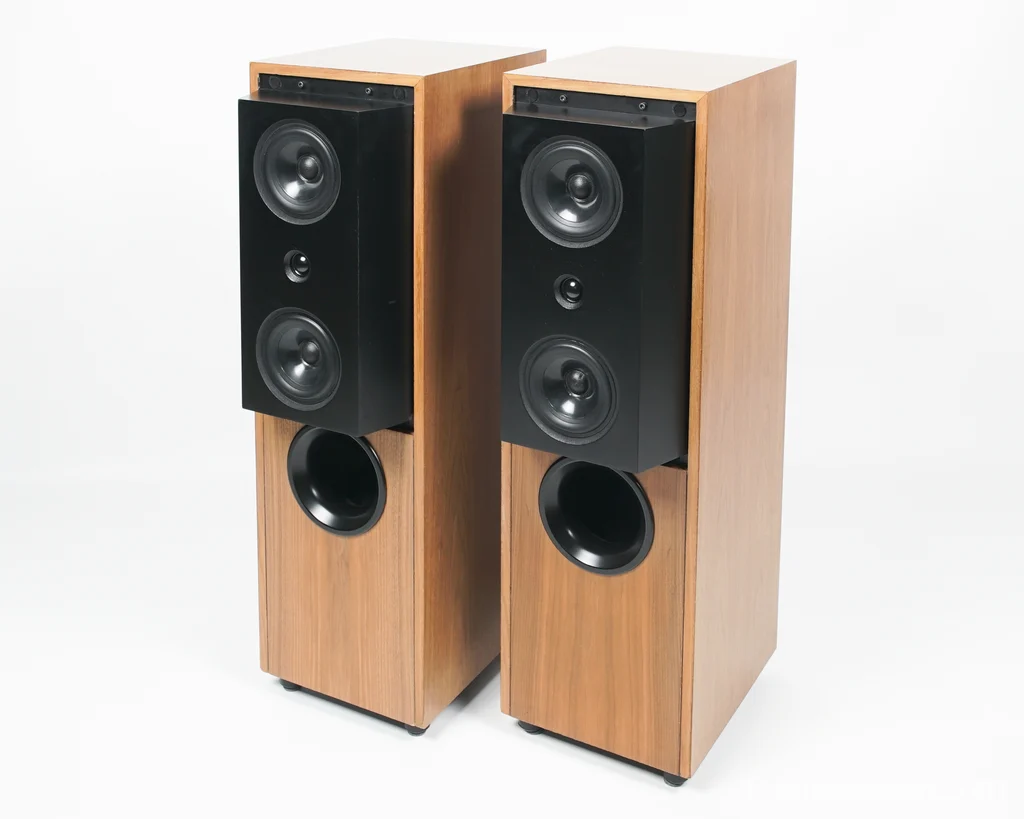
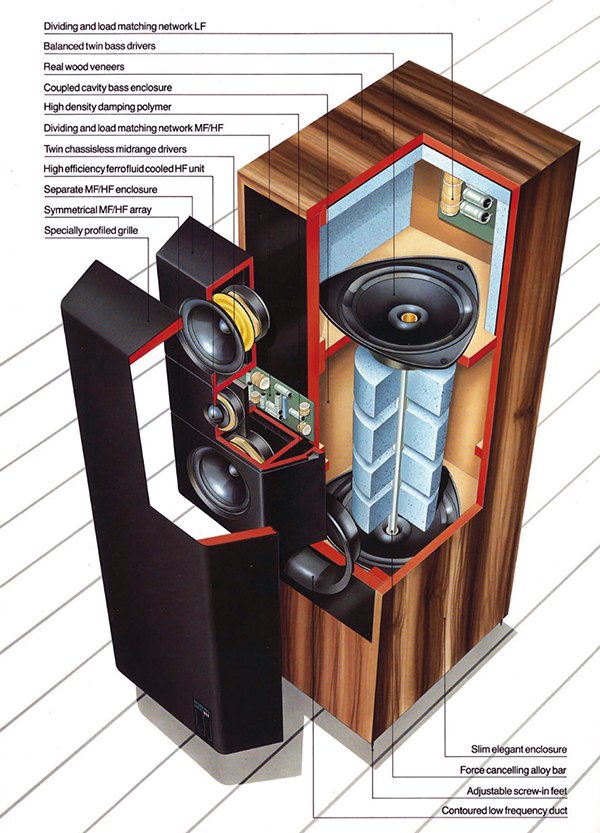
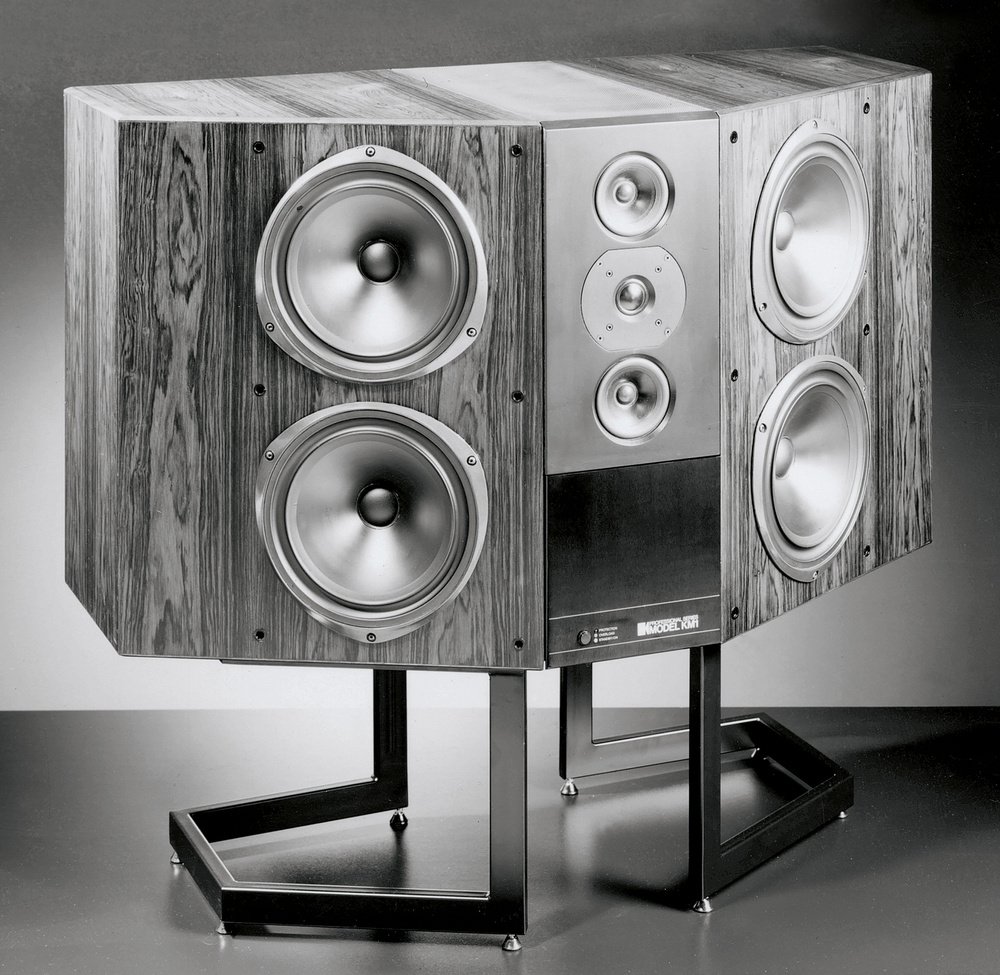
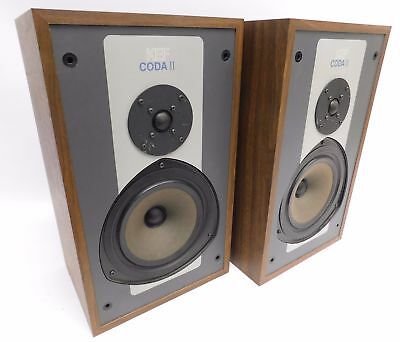
In the 1980s, KEF balanced accessibility with cutting-edge engineering. Budget models like the Coda II brought high-quality sound to a broader audience, while flagship Reference Series designs—such as the acclaimed 104/2 and the formidable KM1 studio monitor—pushed the boundaries of audio technology.
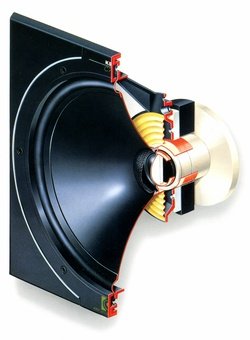
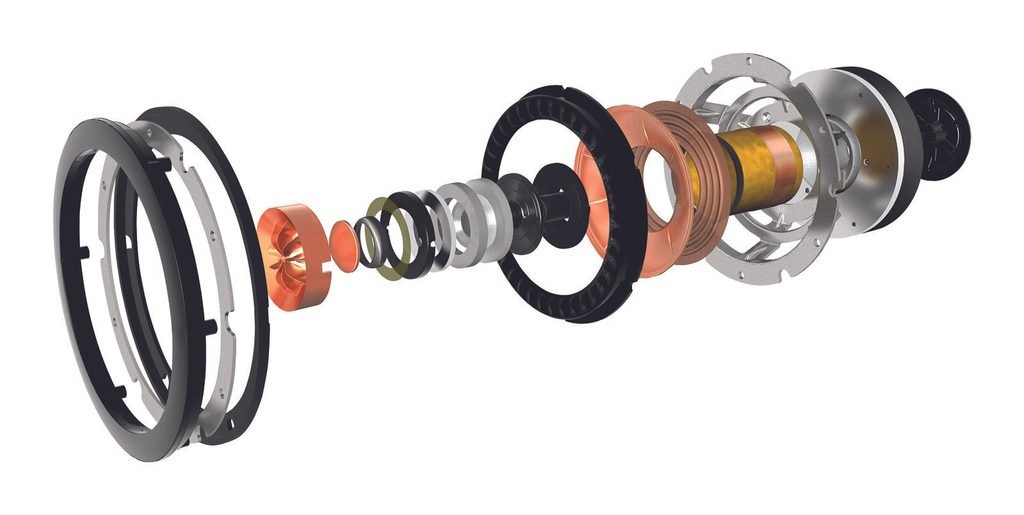
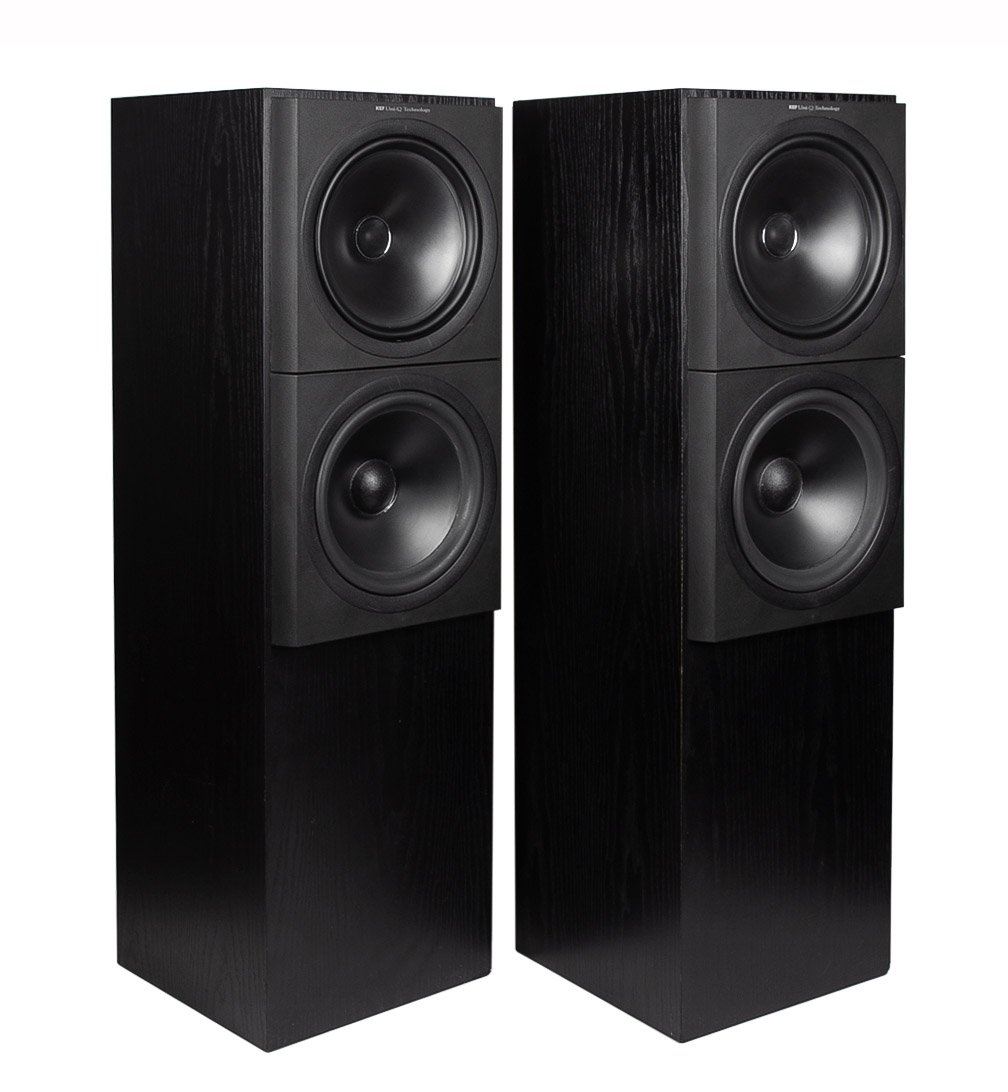
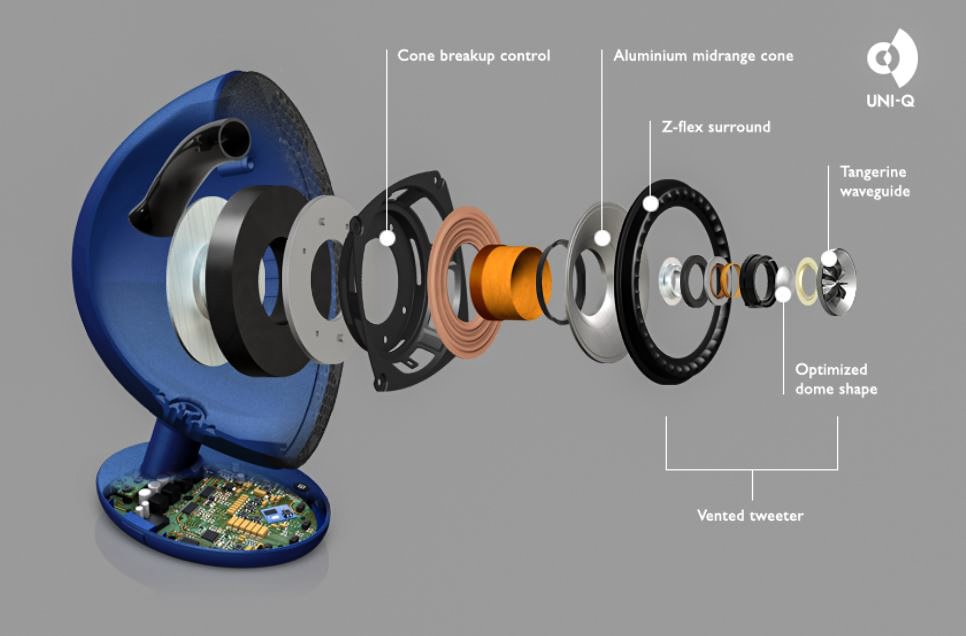
The crowning achievement of this decade arrived in 1988 with the debut of KEF’s “Uni-Q” technology. Standard multi-way speakers place the tweeter and woofer in separate physical locations on the front baffle, causing sound waves to travel different distances to your ears and creating acoustic phase issues. Uni-Q solves this by mounting the tweeter directly at the acoustic center of the midrange or bass cone. By sharing a single point of origin (a single point source), the sound waves reach the listener in perfect alignment, creating a wide sweet spot, remarkably accurate stereo imaging, and natural, uncolored sound across the room.
Made possible by the development of ultra-strong neodymium magnets—which allowed KEF to build a tweeter small enough to fit inside the woofer’s voice coil—Uni-Q revolutionized speaker design and continues to serve as the structural and sonic foundation for nearly all modern KEF loudspeakers.
The 1990s
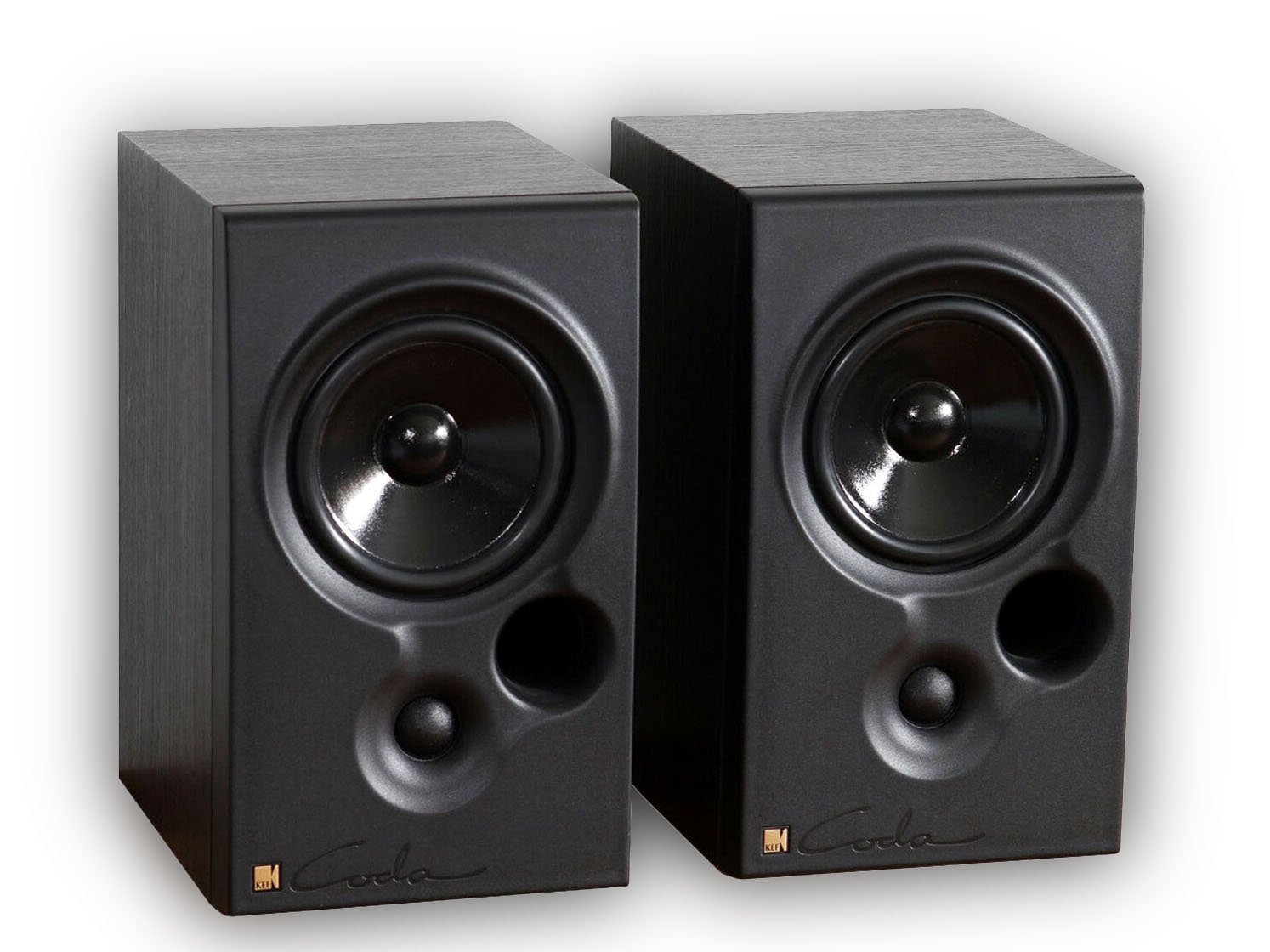
Throughout the 1990s, KEF continued to design class leading, innovative products from the budget Coda 7 all the way up to the Reference Series. The 1990s also saw the rise of home theatre and multi-channel music, with subwoofer and satellite formats coming to prominence. KEF was at the heart of this development with a wide range of products designed to meet this demand.
KEF’s founder Raymond Cooke sadly passed away in 1995. However, Cooke left the company with firm guiding principles encapsulated in his core values of “Quality, Honesty, Dedication and Innovation”. The company continues today using those same guiding principles.
The 2000s
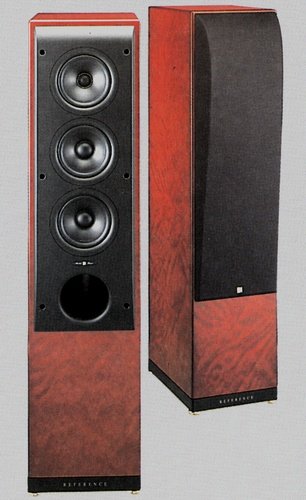
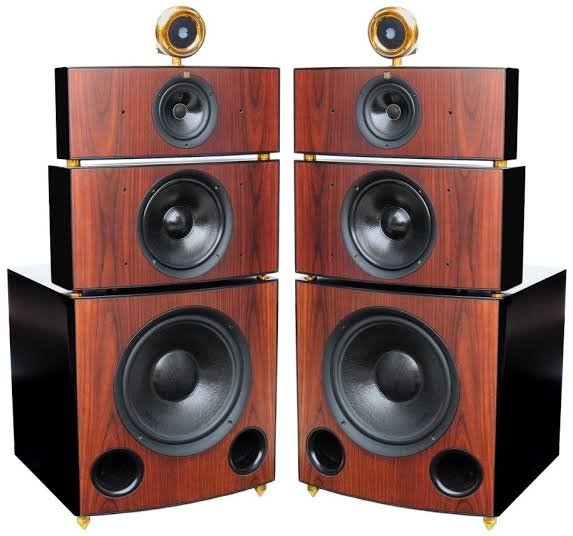
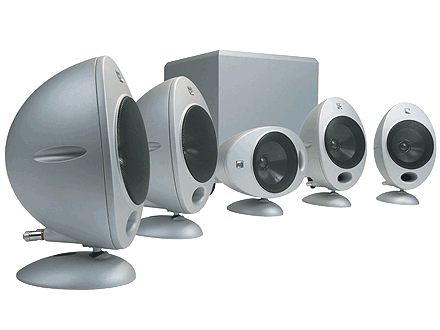
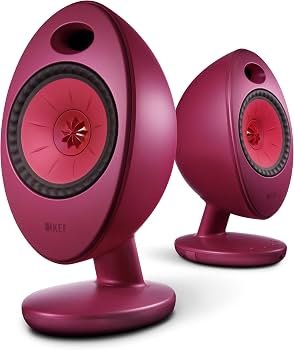
The first decade of the new century saw continued strong performance from the ever-evolving Uni-Q Series, and success with the KHT line: the now iconic “Egg” system. At the high end, Reference Series Model 207/2 established itself as one of the world’s finest loudspeakers. The strength of KEF’s research and development capability was evidenced in all of their products, from the affordable “KHT2005″Eggs” to the top of the line Reference speakers.
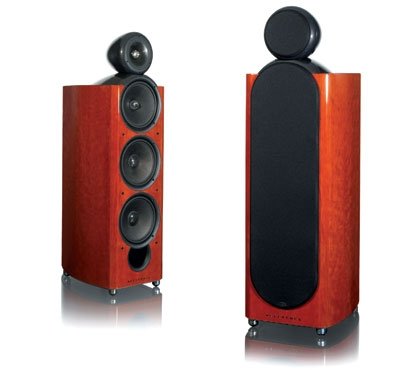
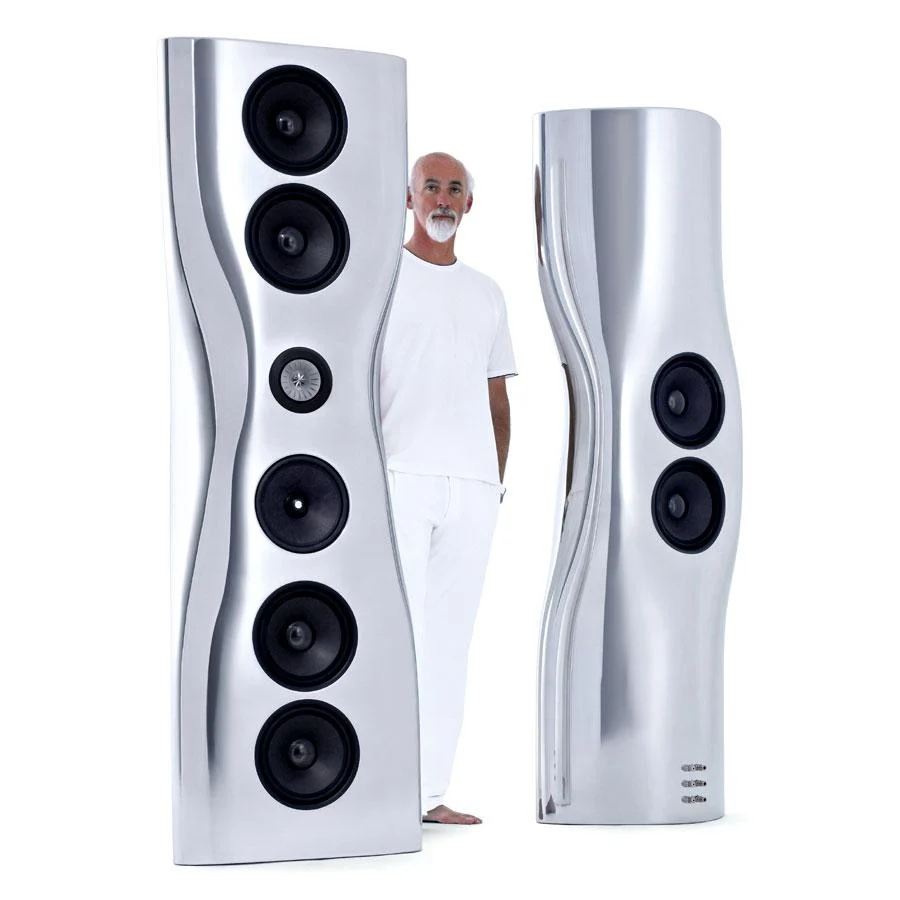
The KEF Muon loudspeaker was introduced in 2007, debuting at the Milan Furniture Fair. Designed in collaboration with industrial designer Ross Lovegrove, the Muon is an ultra-high-end, seven-foot-tall sculptural speaker designed to look as good as it sounds.
The 2010s
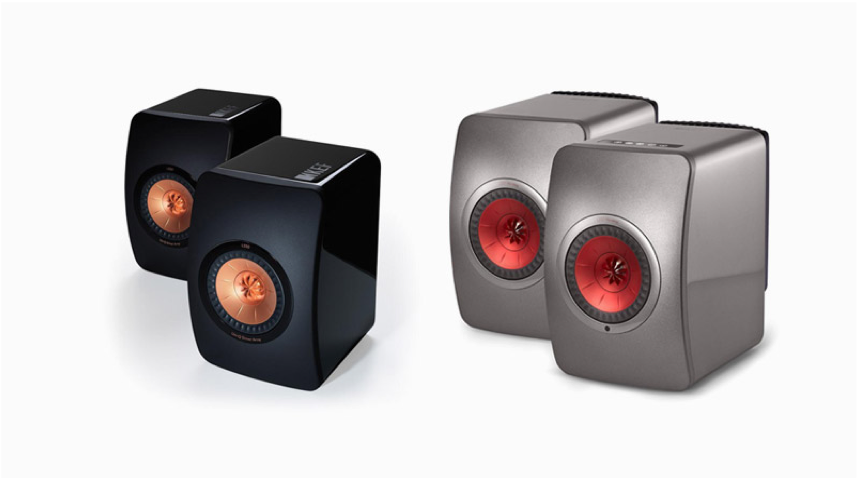
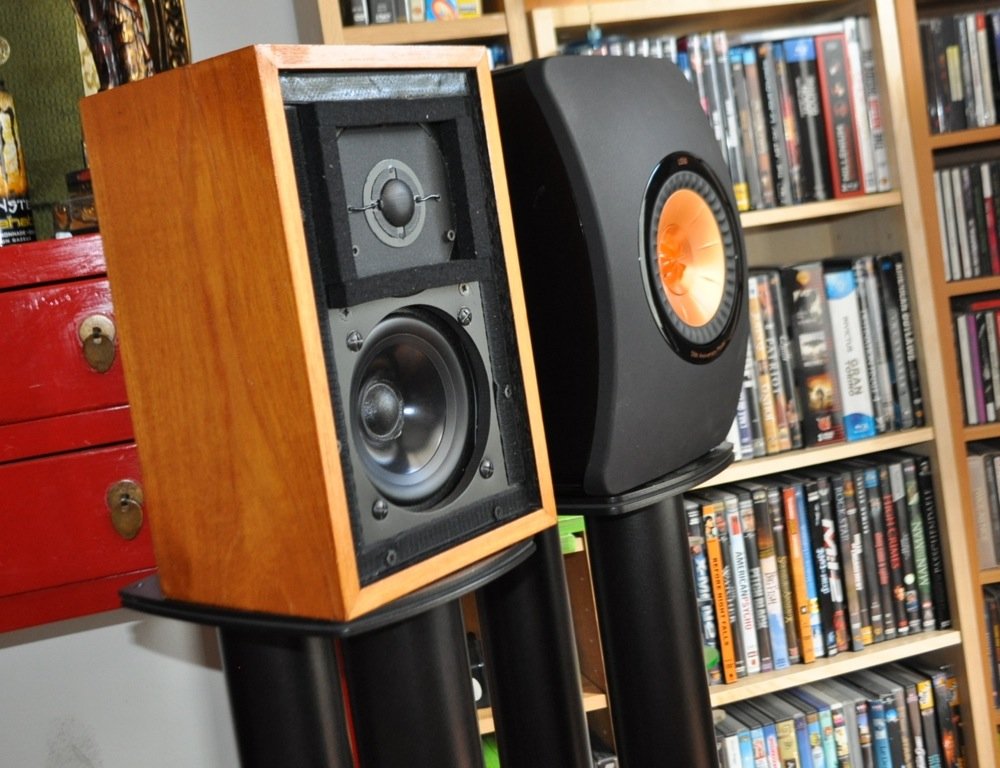
To celebrate KEF’s 50th anniversary in 2012, the company introduced the classic LS50, a revolutionary loudspeaker that marked a major milestone in acoustic engineering. Incorporating numerous technological breakthroughs, the LS50 successfully modernized the legendary LS3/5a studio monitor concept for the domestic living room, pioneering a new era where high-fidelity sound became widely accessible in residential spaces. Building upon this remarkable foundation, KEF expanded its vision in 2017 by launching the first generation of the LS50 Wireless. This fully active music system seamlessly integrated high-performance acoustics with the demands of the modern digital lifestyle, cementing the brand’s reputation for forward-thinking audio solutions.
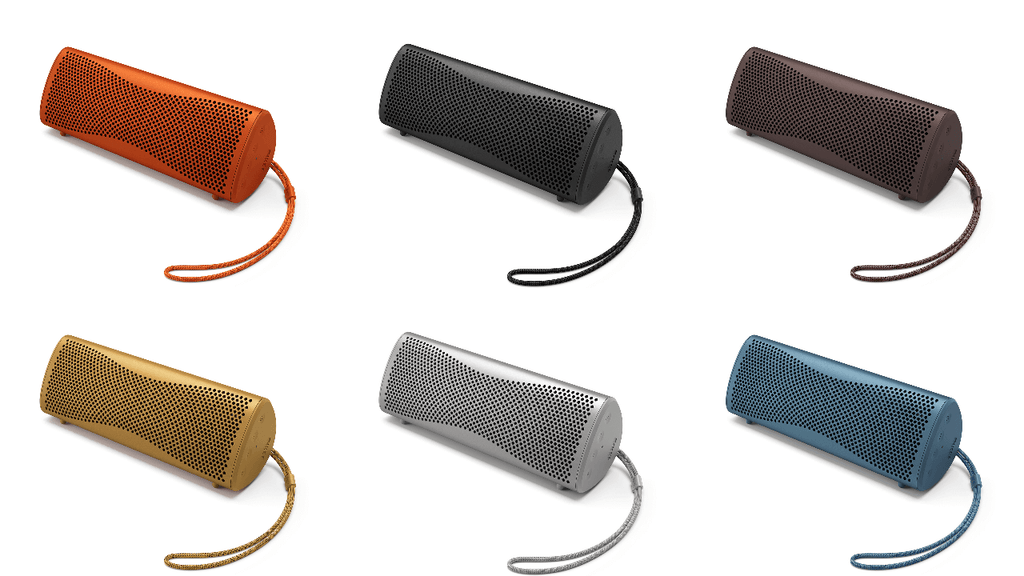
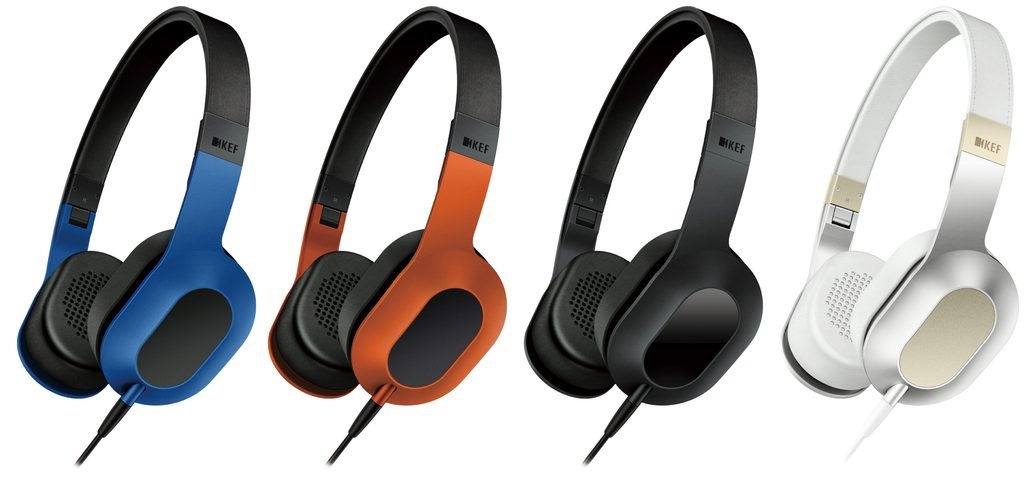
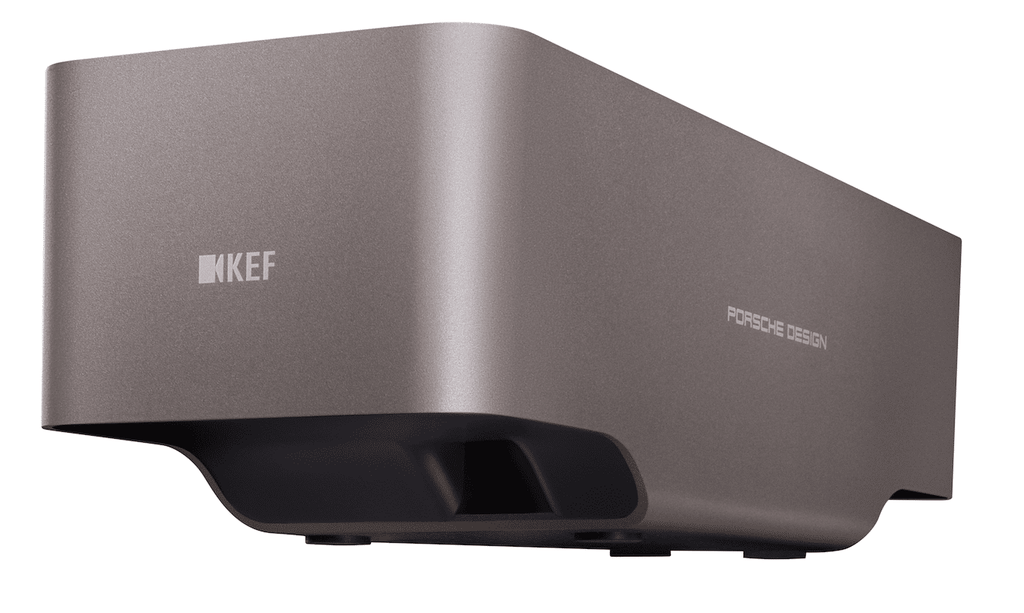
Throughout the decade, KEF continued to broaden its horizons by introducing a diverse range of wireless and portable products designed for contemporary listeners. This expansive wave of innovation included updated EGG wireless speakers, the MUO portable speakers, and the M Series headphones. Furthermore, KEF’s commitment to design and engineering excellence was highlighted through a high-profile collaboration with Porsche Design. This exclusive partnership yielded a sophisticated suite of premium audio gear, featuring the Gravity One portable speakers, Motion One earphones, and Space One wireless headphones, further defining KEF’s legacy at the intersection of luxury design and acoustic mastery.
KEF Today
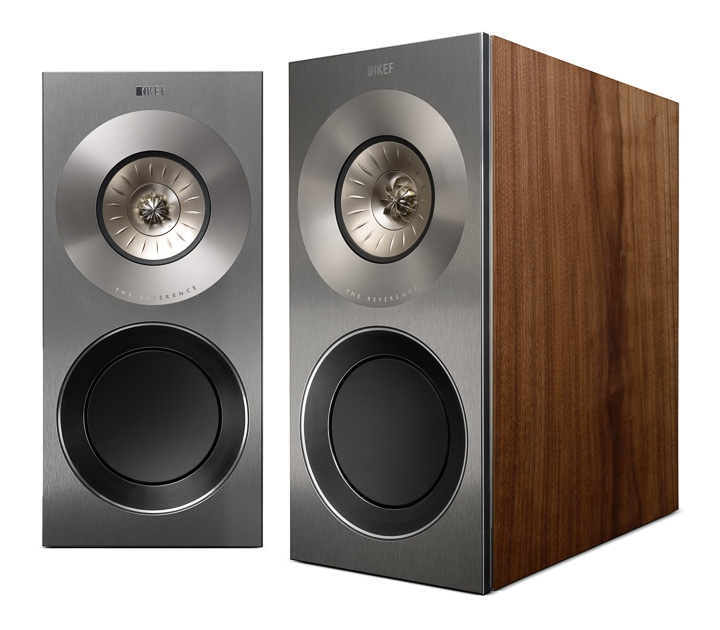
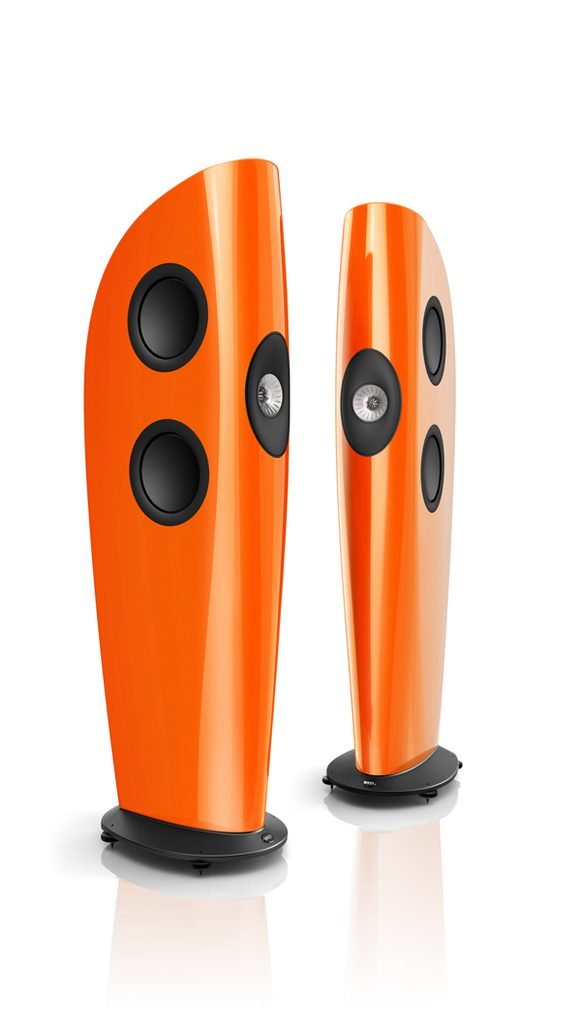
KEF today continues to produce an extraordinary range of loudspeakers, spanning the spectrum from affordable compact and home theatre speakers, to the superb Reference series, and at the top of the line, the Blade and Muon.
The company is still headquartered in the same KEF Maidstone facility serves as the global headquarters and acoustic research and development hub for the premium British audio brand KEF. Their “ultra premium” products such as the Blade and Muon speakers are still built there by hand.
In major cities around the world, KEF operates “Experience” locations where guests can experience the magic of great sound. Experience Locations include KEF Music Gallery, KEF Music Studio, KEF Music Room, and KEF Music Lounge. More than just showrooms, KEF Experience Locations offer unparalleled access to the company’s extensive range of audio products.
If you’d like to learn more about KEF, there are several websites that you can visit
Their UK website is at: uk.kef.com
KEF also has “national” websites for Asia, Europe, and the Americas.
And if you’d like to see more history of the company, here is a website telling the “KEF story”: uk.kef.com/pages/the-kef-story
KEF Induction into the Hi-Fi Hall of Fame
KEF has been building great loudspeakers since 1961. Along the way, they have pioneered the use of new materials, technologies, and construction techniques, and the company has earned numerous industry awards.
Some of their most significant achievements include:
- pioneered the use of novel materials
- worked with the BBC to develop a series of professional grade speakers such as the LS3/5A
- partnered with other manufacturers such as Linn, IMF, and others
- developed speaker kits that could be built by hobbyists
- developed the “Uni-Q” driver and continued to evolve it over the years
- created unique speakers such as the Blade to push the boundaries of speaker engineering
- partnered with designers to create speakers that look as good as they sound
- expanded their range of Hi-Fi speakers to include architectural, home theatre, wireless, and portable applications
And, after more than 60 years in business, the company is still creating superb loudspeakers! For all of these reasons, KEF is inducted into the Hi-Fi Hall of Fame.