
Hi-Fi Hall of Fame
People Inductee
Akio Morita
Introduction
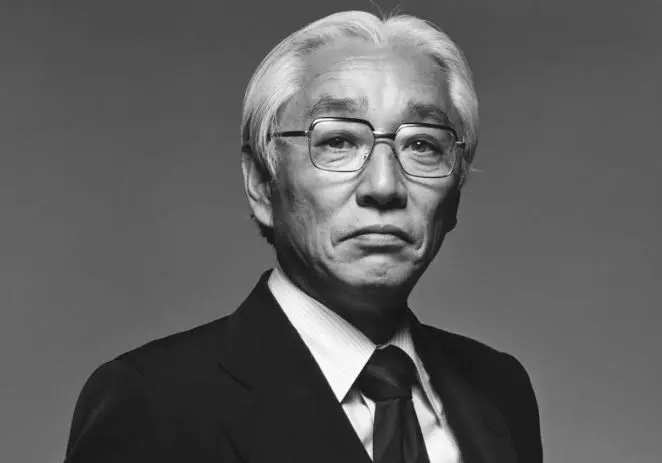
Our next inductee is Akio Morita, who is best known as one of the founders of Sony. Morita, along with his friend Masaru Ibuka, started a small electronics company in Japan in 1946. That company went on to become Sony, and Morita would lead the company until 1994.
Let’s take a look at the life of Akio Morita to see why he belongs in the Hi-Fi Hall of Fame.
Background
Akio Morita was born on January 26, 1921, in Nagoya, entering a world where family tradition carried immense weight. For generations, his wealthy family had dominated a corner of the traditional Japanese culinary world. Since 1665, they had been brewing sake, fermenting miso paste, and bottling soy sauce in the village of Kosugaya. As the firstborn son, Morita was the 15th-generation head of the household. His life path was entirely predetermined: take over the family legacy, preserve the family name, and maintain the high bar set by nearly three centuries of ancestors.

But Morita’s mind was captured by a different kind of alchemy. Rather than following the family’s sake business, he found himself drawn to the world of math and physics, ultimately choosing to study the sciences over corporate succession.
A Wartime Intersection
By the time Morita graduated with a physics degree, World War II was in full swing. He joined the Imperial Japanese Navy, was commissioned as a lieutenant, and was assigned to a specialized technical unit at the Yokosuka Air Base. There, his technical education was put to immediate practical use as he worked on cutting edge thermal guidance systems and night vision devices. While the war brought immense devastation, for Morita, it served as a high stakes crucible where theoretical physics collided with rapid, real world application.
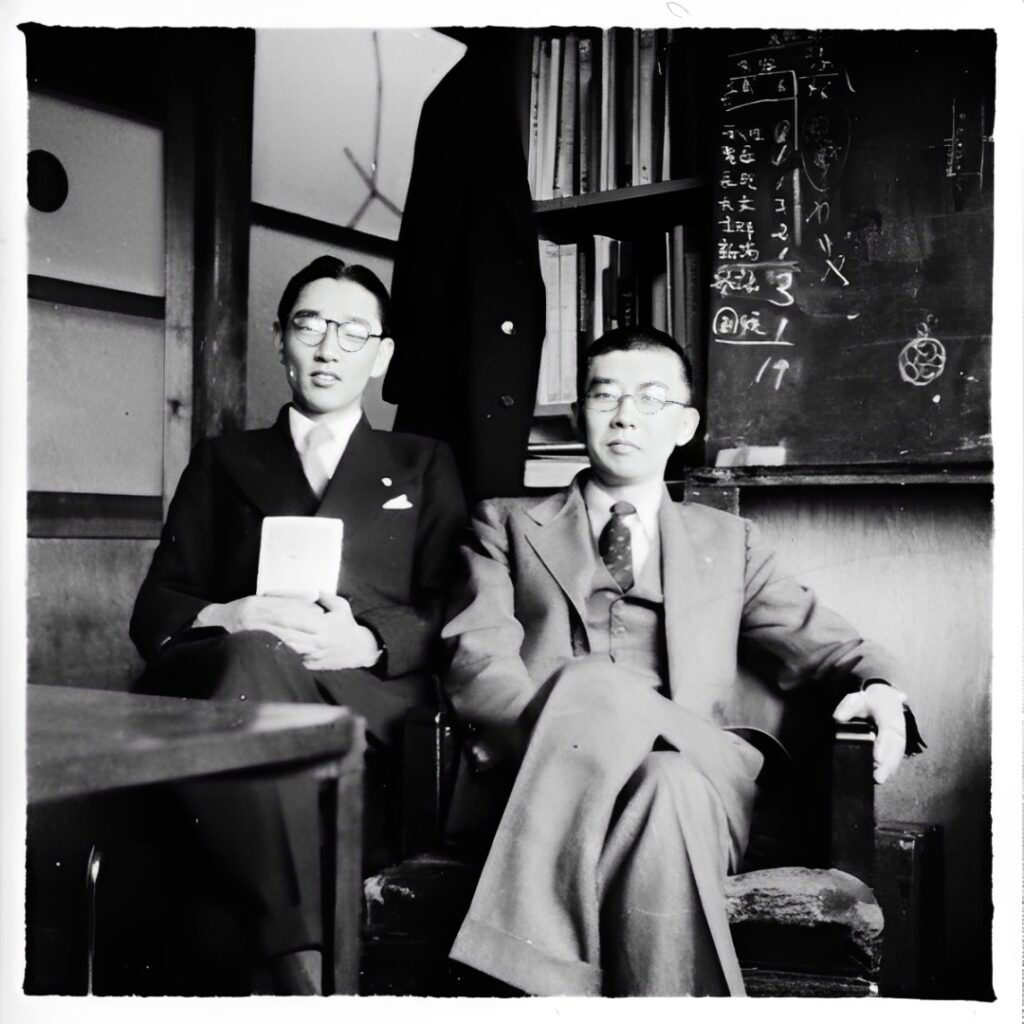
It was during this period of frantic, wartime engineering that Morita met the man who would alter his destiny: Masaru Ibuka. An engineer 13 years Morita’s senior, Ibuka was already highly respected in technical circles and served as an industry representative on the Military Scientific Committee. Despite the age gap, the two men shared an immediate intellectual chemistry that went far beyond mere professional cooperation.
Out of the Ashes: The Birth of Sony
The true story of their partnership began not in a sleek boardroom, but amidst the rubble of a defeated nation. In September 1945, with Tokyo still devastated by bombings, Ibuka opened a makeshift radio repair shop in the ruined remains of the Shirokiya department store in the Nihonbashi district. In a city starved for both resources and news, Ibuka and a small team fixed broken radios and built shortwave converters so citizens could tune into the outside world.
Back home and working as a teacher at the Tokyo Institute of Technology, Morita happened to read a newspaper article mentioning Ibuka’s new electronics venture. He immediately wrote to his old navy colleague. Ibuka’s reply was short and definitive: “Come to Tokyo.”
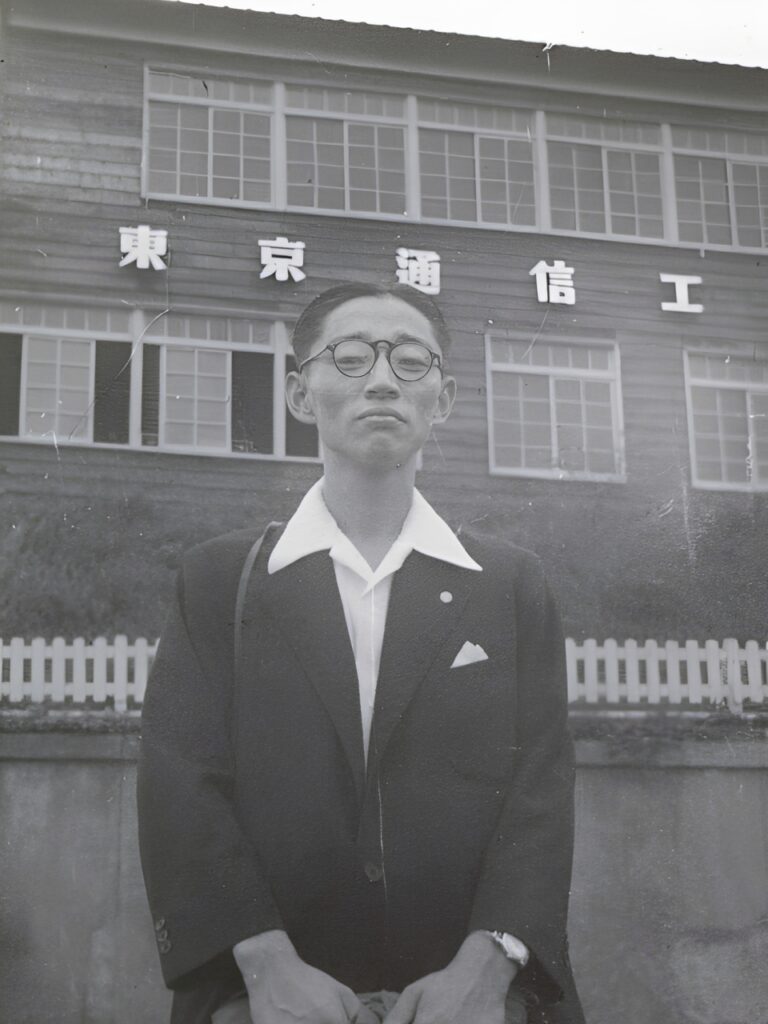
Morita resigned from his teaching position and joined Ibuka in the ruins. On May 7, 1946, they co-founded Tokyo Tsushin Kogyo Kabushiki Kaisha (The Tokyo Telecommunications Engineering Corporation). The world did not know it yet, but this underfunded startup operating out of a bombed-out department store would eventually become the global powerhouse known as Sony. Built on core values of deep commitment, tight cooperation, rapid adaptability, and relentless creativity, it would go on to revolutionize global consumer electronics.
Sony: from Start-up to Global Powerhouse
The renaming of Tokyo Tsushin Kogyo (TTK) to Sony is one of the greatest masterclasses in early global branding. It was driven almost entirely by Akio Morita’s intense frustration with trying to sell Japanese products in America during the 1950s.
By 1953, TTK had developed incredibly promising technology, including pocket sized transistor radios. Morita traveled to the United States to break into the American market, but he hit an immediate brick wall: no American could pronounce their name.

“Tokyo Tsushin Kogyo Kabushiki Kaisha” was a mouth twisting nightmare for Western consumers. Even the abbreviation, TTK, was a problem because another company, TDK, was already a household name. Morita realized that if they wanted to become a global powerhouse, they needed a name that belonged to the world, not just Japan.
The Search for a New Name
In the 1950s, the co-founders set out to rename their company with three strict rules: it had to be a brand-new, globally “trademarkable” word; short enough to look bold on a pocket radio; and pronounced the exact same way in every language. They combined the Latin word “sonus” (meaning “sound”) with the 1950s American slang “sonny boy” (used to describe bright, energetic young men like themselves). This gave them “Sonny.”
However, they hit a snag: in Japanese, “sonny” sounded too close to “son”, which means “to lose money.” To fix this, Morita simply dropped one “n.” The result was “Sony”—a sleek, modern, four-letter name with no negative meanings and universal pronunciation.

The Backlash and the Gamble
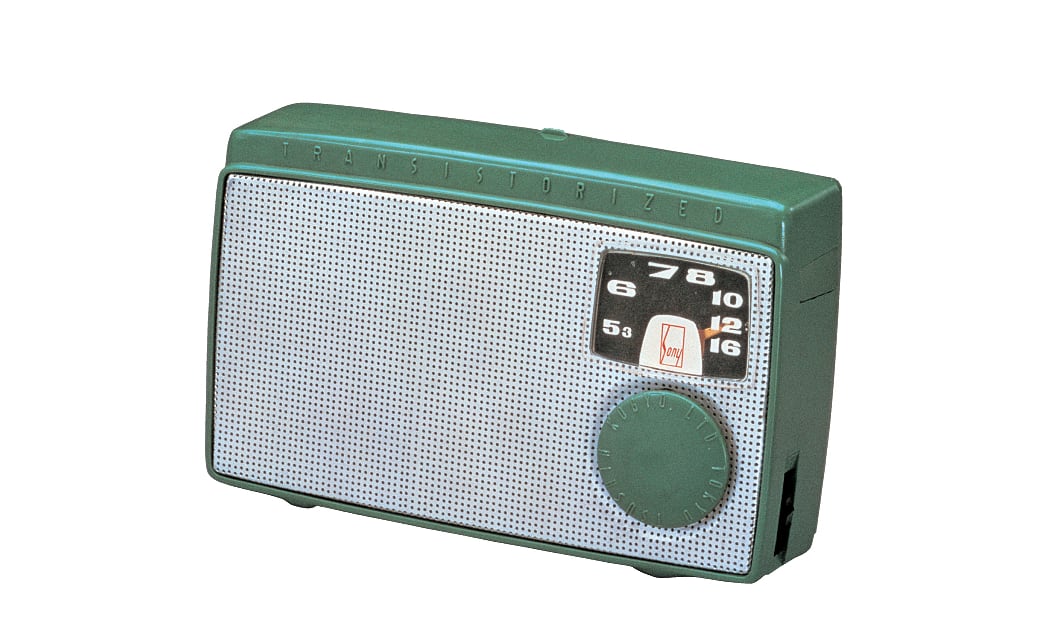
In 1955, they released the TR-55 transistor radio, the very first product to feature the new “Sony” branding and logo. However, the company itself was still legally named Tokyo Tsushin Kogyo. Morita wanted to change the corporate name entirely, but he faced massive internal pushback.
Their main bank, Mitsui Bank, was oposed to the change. They argued that TTK had spent ten years building up prestige in Japan and that changing it to a made-up, Westernized word like “Sony” was corporate suicide. Even Ibuka was hesitant at first.
Morita refused to back down, and eventually won the battle. On January 1, 1958, Tokyo Tsushin Kogyo officially became the Sony Corporation. It was a massive gamble that paid off, setting the stage for Sony to become Japan’s first truly global, modern mega-brand.
Iconic Sony Technologies and Products
During Akio Morita’s era at the helm of Sony—stretching from the company’s early days in the late 1940s until he stepped down as chairman in 1994—Sony transformed from a bombed-out department store workshop into a global powerhouse.
Morita’s philosophy was defined by miniaturization, portability, and a relentless push for digital innovation. While Sony pushed boundaries across all consumer electronics, their impact on high-fidelity audio during this golden era was monumental.
Here are some of Sony’s most impactful hi-fi products and innovations during the Akio Morita era, categorized by how they reshaped the audio landscape.
The Foundation of Portability & Transistors
Before you could have hi-fi, you needed the hardware to support it. Morita licensed the transistor technology from Western Electric, which was the manufacturing arm of Bell Labs, where the transistor was actually invented. In 1953, Akio Morita traveled to New York and paid Western Electric $25,000 for the patent rights, a move that paved the way for Sony’s historic transistor radios.
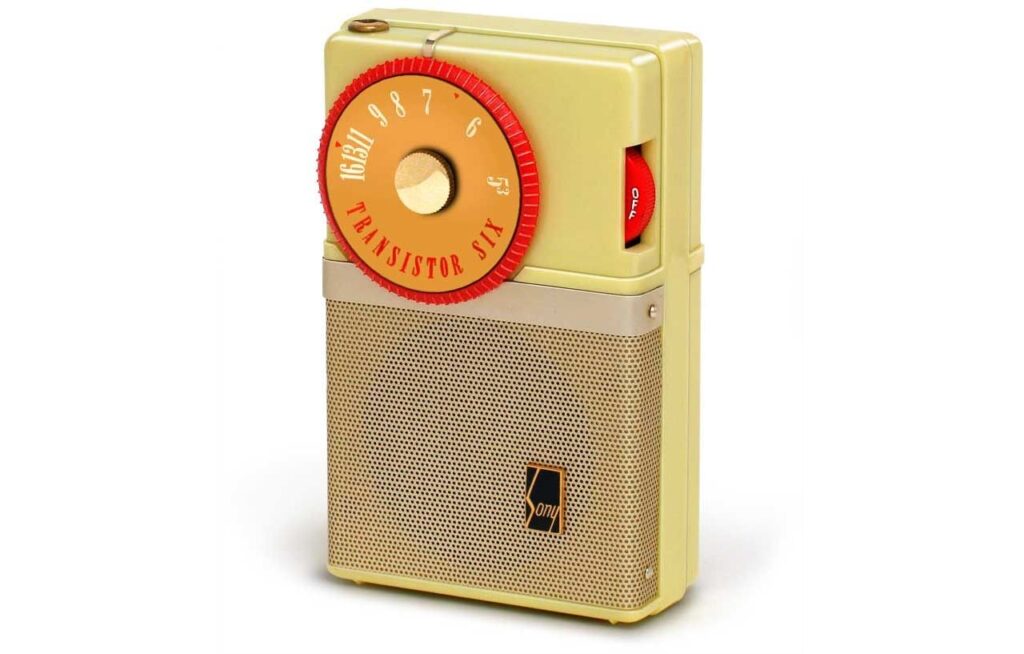
Soon, Sony introduced the TR-55 (in 1955) and TR-63 (in 1957). The TR-55 was Japan’s first transistor radio, but the TR-63 was the global disruptor. It was marketed as “pocketable” (Morita even had his salesmen wear custom shirts with slightly larger pockets to prove the point). While not “audiophile” by today’s standards, it established Sony’s core identity: high-quality audio engineering shrunk into the palm of your hand.
Setting the Standard for Magnetic Tape Recording
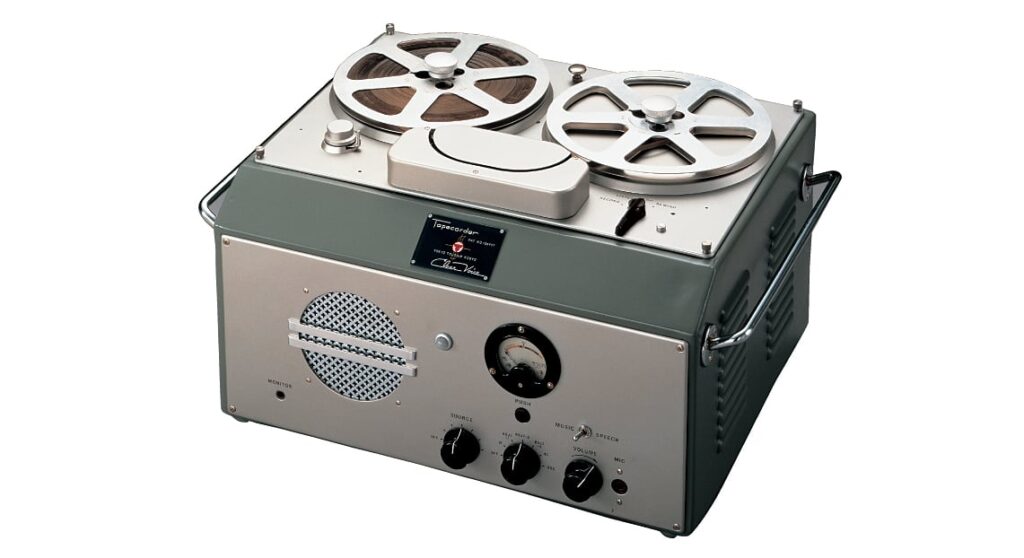
Sony was a pioneer in magnetic tape recording, a technology Morita saw as vital for both education and entertainment. Sony’s tape recorders in the 1950s and 1960s brought high-fidelity reel-to-reel recording into the home and classroom.
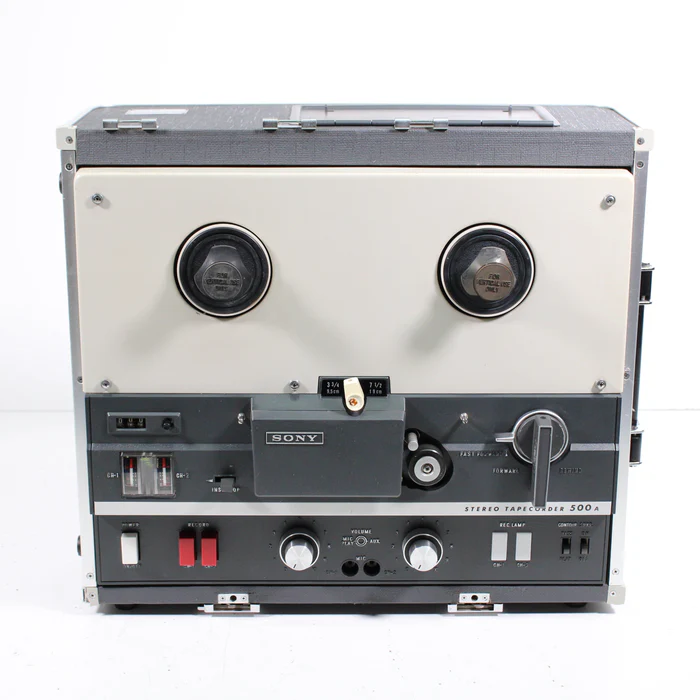
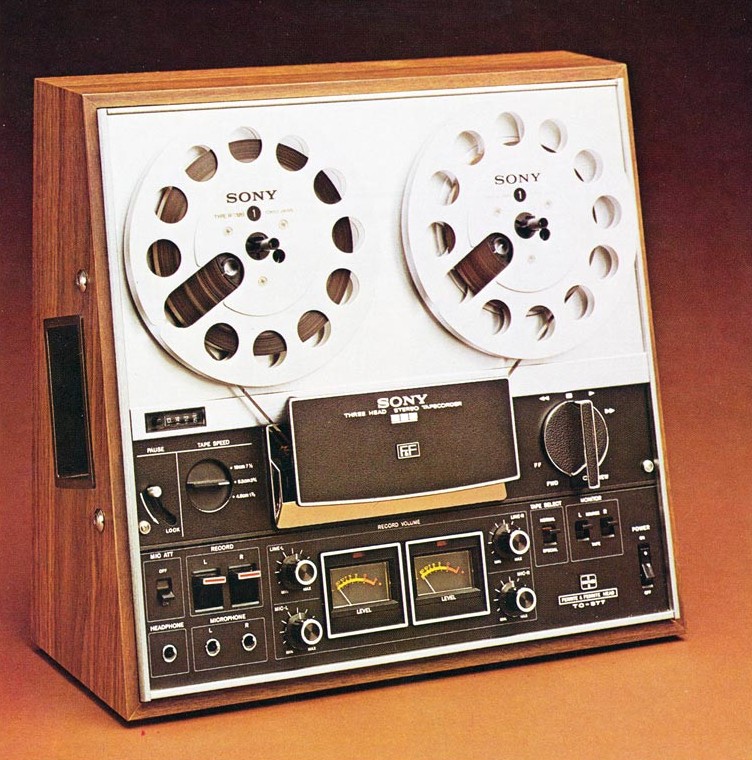
Models like the TC-500 were robust, beautifully engineered, and highly competitive with high-end American and European decks, establishing Sony as a serious player in serious audio. Another model, the TC-377 was a true Hi-Fi recorder, with excellent performance and lots of controls for the hobbyist.
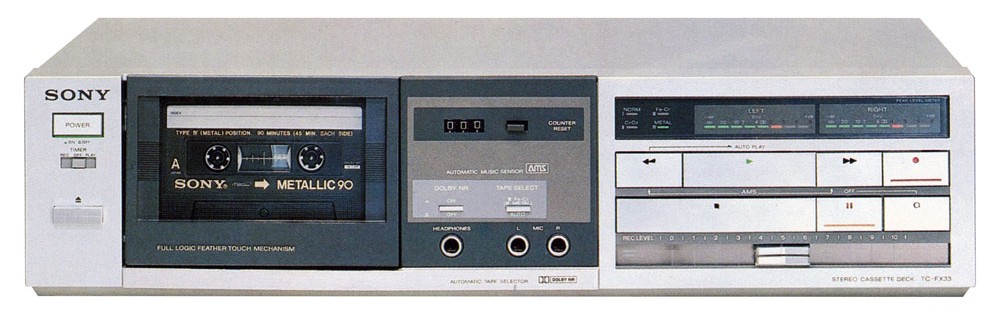
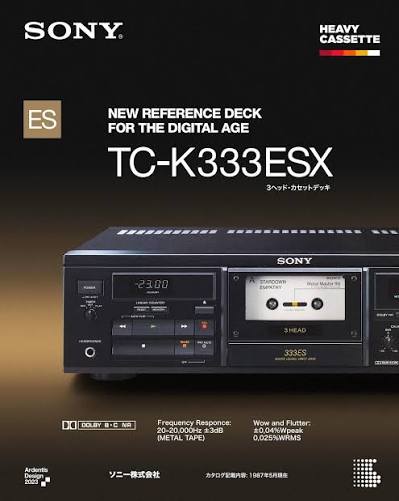
Sony also produced a wide range of Hi-Fi cassette decks, including basic models such as the TC-FX33, and high end models like the TC-K333ESX.
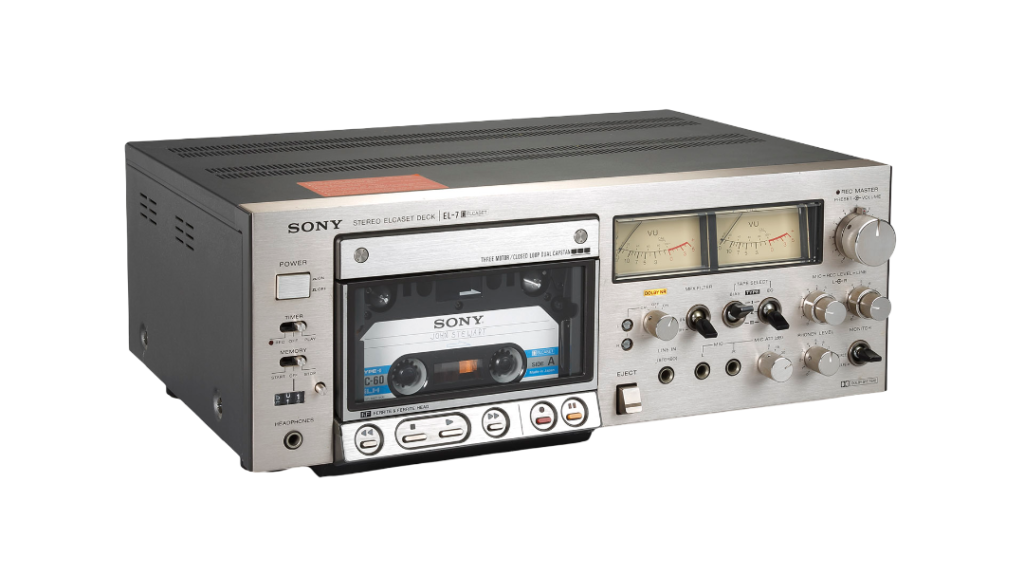
Sony co-invented a new tape format, the Elcaset, in 1976 alongside Panasonic and TEAC. It was a larger format cassette designed to bridge the gap between convenient standard cassettes and high-fidelity open-reel tape. It ran at double the speed on wider tape for incredible audio quality. A technical success, the format failed commercially because standard cassettes rapidly improved.
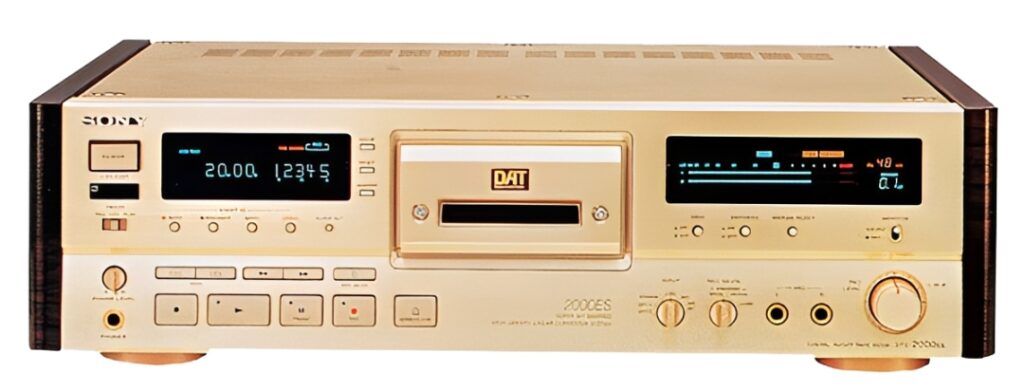
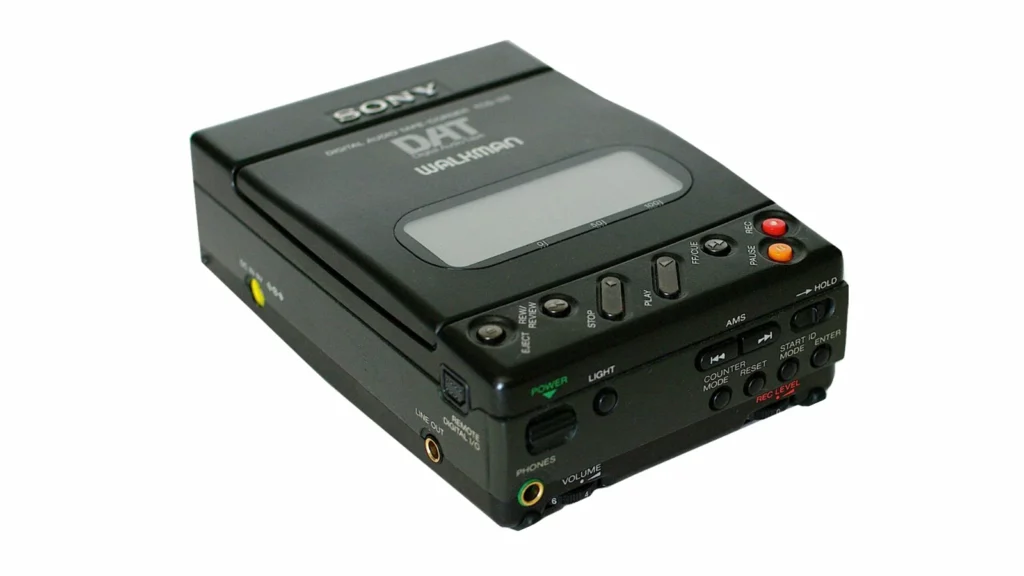
Sony also invented the Digital Audio Tape (DAT) format, launching it in 1987. It was a breakthrough cassette format that recorded CD quality digital audio onto a tiny tape using a rotating head (like a VCR). Because it allowed perfect, generation-lossless digital copies, it became an absolute staple in professional recording studios.
The “V-FET” and “Esprit” Amplification Era
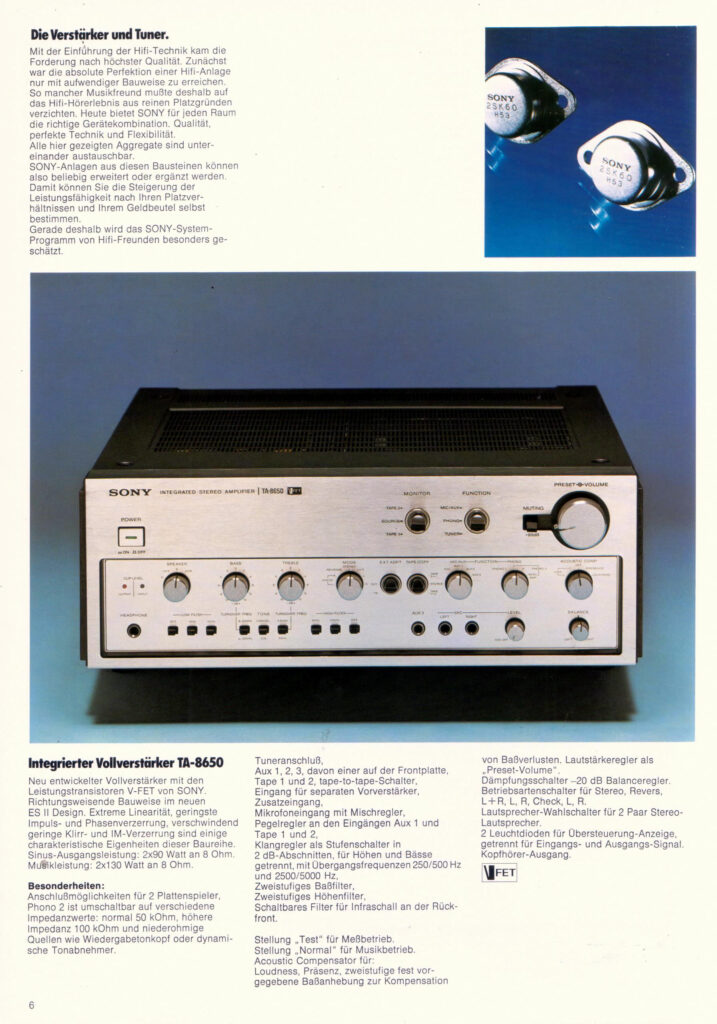
In the 1970s, Sony introduced the V-FET (Vertical Field Effect Transistor). V-FETs possessed transfer characteristics similar to triode vacuum tubes, offering the warmth and linearity of tubes with the reliability and power of solid-state. They are still highly sought after by vintage audio enthusiasts today for their sweet, effortless sound.
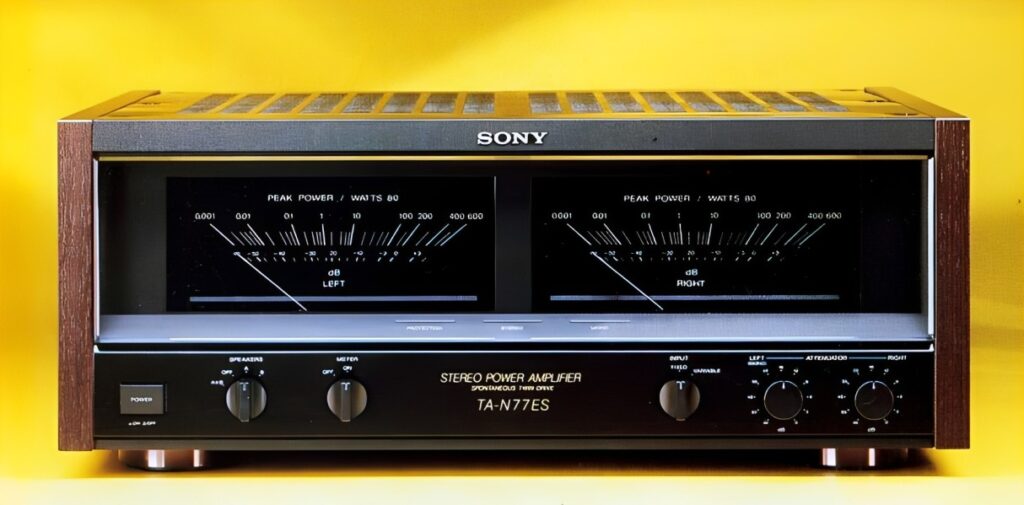
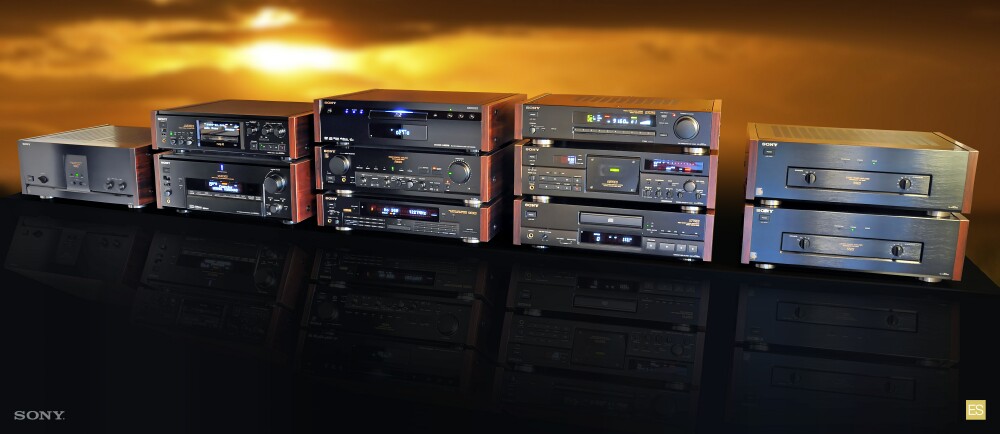
At the same time, Sony decided to take on the boutique high-end audiophile market directly, leading to some of the most legendary solid-state amplification ever built. The Esprit Series was a high end tier which produced superb components such as the TA-N77ES power amplifier. It proved that a mass-market Japanese giant could “out-engineer” boutique audiophile houses.
Sony Turntables
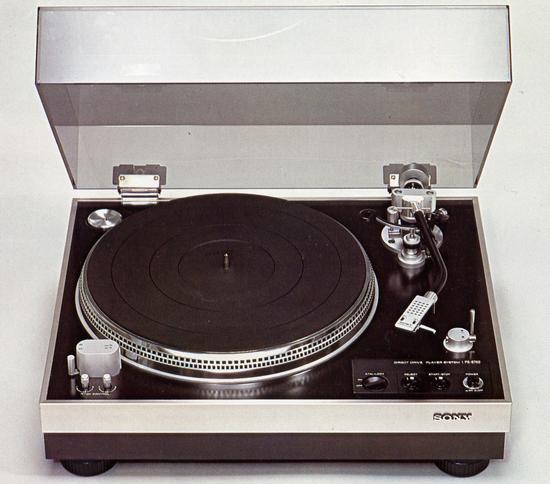
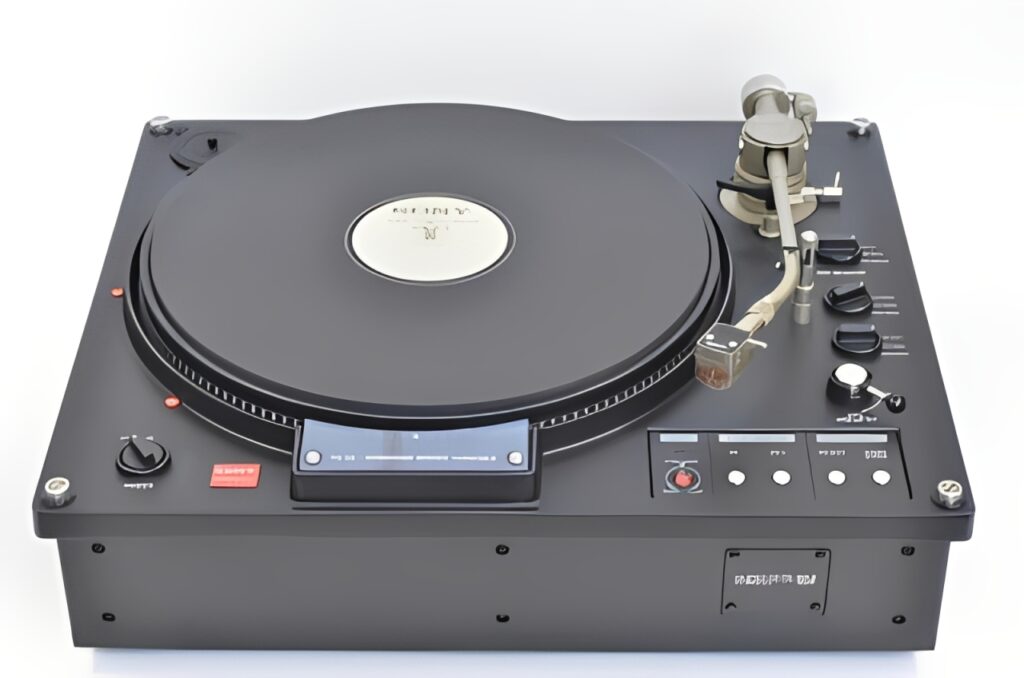
Sony also produced a wide range of turntables. Two examples are the PS-8750 and PS-X9. These were direct drive turntables displaying some impressive engineering and build quality. The PS-8750 featured a platter made of a proprietary crystalline material and a carbon-fiber tonearm. The later, ultra-rare PS-X9 was an absolute beast of a studio-grade direct-drive table that represented the absolute pinnacle of Sony’s analog mechanical engineering.
The Age of Portability: the Sony Walkman
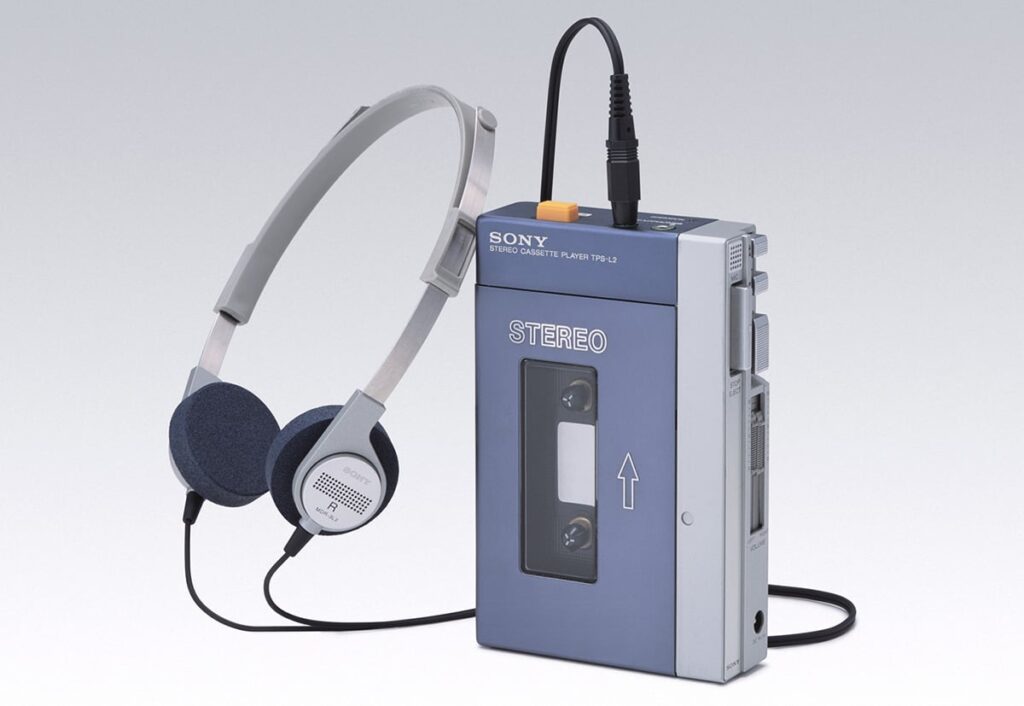
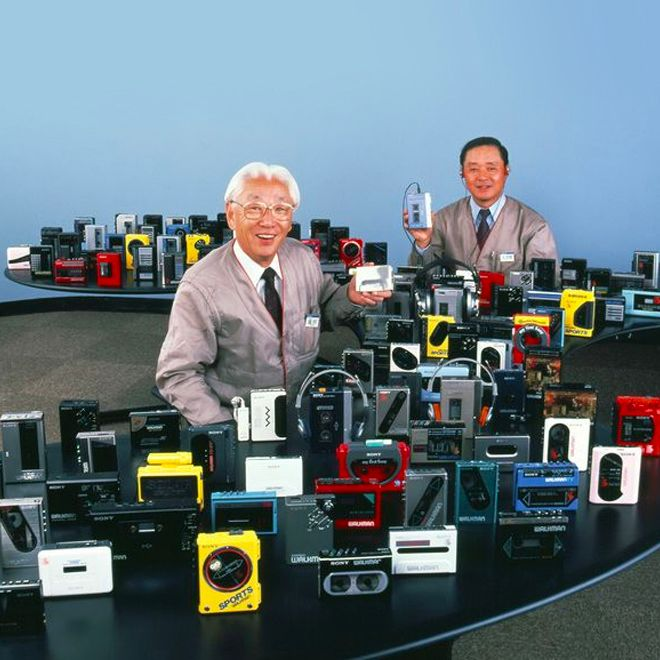
You cannot talk about the Morita era without including the definitive product of his career: the Sony Walkman, model TPS-L2, and introduced in 1979. Morita famously championed this project against the wishes of his own engineers, who doubted anyone would buy a tape player that couldn’t also record. Morita insisted, even demanding it feature dual headphone jacks so people could listen together. The Walkman didn’t just democratize high-quality stereo listening; it created the entire concept of a personal, portable soundtrack to daily life.
The Walkman was inducted into the Hi-Fi Hall of Fame in 2025. Click here to see our profile: hifihalloffame.com/equipment/sony-walkman/
The Digital Revolution, CD, and MiniDisc (MD)
Perhaps the grandest finale to the Morita era was orchestrating the transition from analog to digital. Sony championed the development of two entirely new digital formats: the Compact Disc (CD) and the MiniDisc (MD).
Developed jointly with Philips, the CD was a superb format that really disrupted the Hi-Fi industry, as music producers switched production from analog formats (vinyl records and cassettes) to the new digital format. Consumers embraced the new format, buying millions of CD players and billions of CDs over the next few decades.
The CD format was inducted into the Hall of Fame in 2025. Click here to see our profile: hifihalloffame.com/technology/compact-disc/
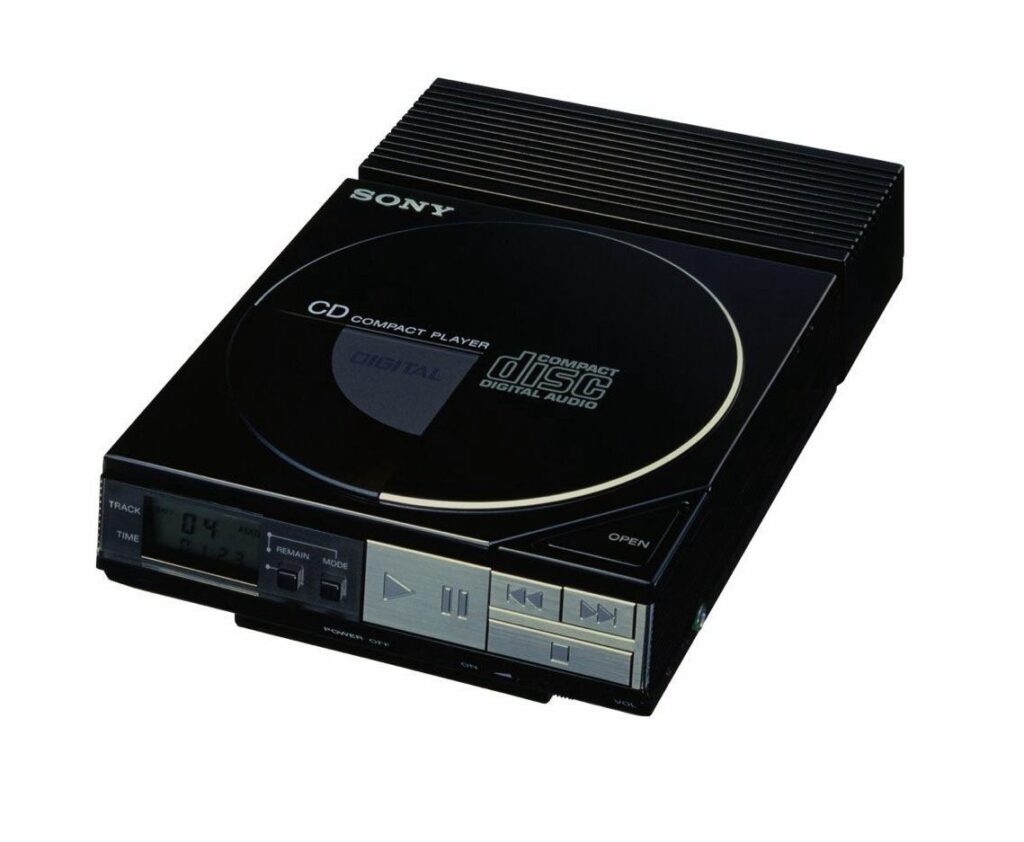
Sony CDP-101 (1982) was the world’s first commercially available CD player. It was a marvel of digital-to-analog conversion and laser tracking.
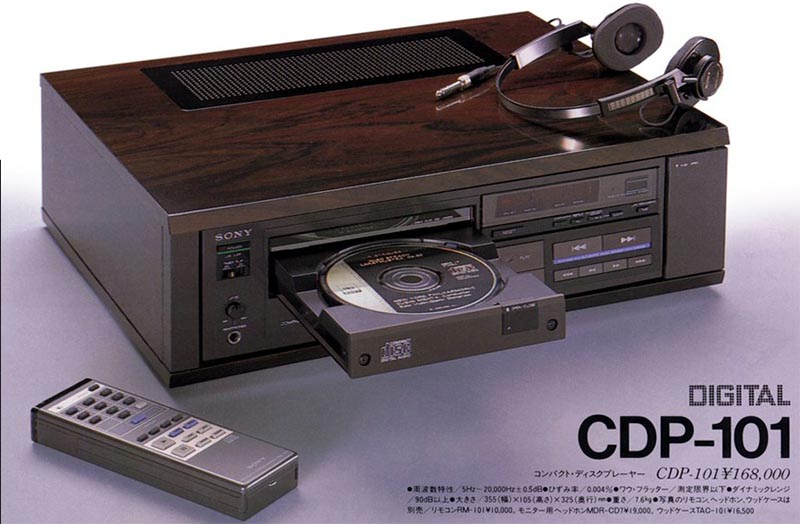
Just two years after launching the CD format, Sony managed to shrink the laser pickup and spinning mechanism into a portable chassis, single-handedly accelerating the global adoption of the CD by making it portable and affordable.
As for the MiniDisc, Sony entirely invented, launched, and championed the format. Following lessons learned from the bulky Elcaset and the niche DAT format, Sony wanted a truly mainstream, digital successor to the analog cassette tape. They unveiled the MiniDisc (MD) in September 1992, officially releasing it to the public later that year alongside its flagship hardware, the Sony MZ-1.
While compressed MP3s and flash-memory players eventually overtook it in the mid-2000s, Sony’s MiniDisc remains a legendary high-water mark for vintage format engineering and a cult-classic favorite for physical media enthusiasts.
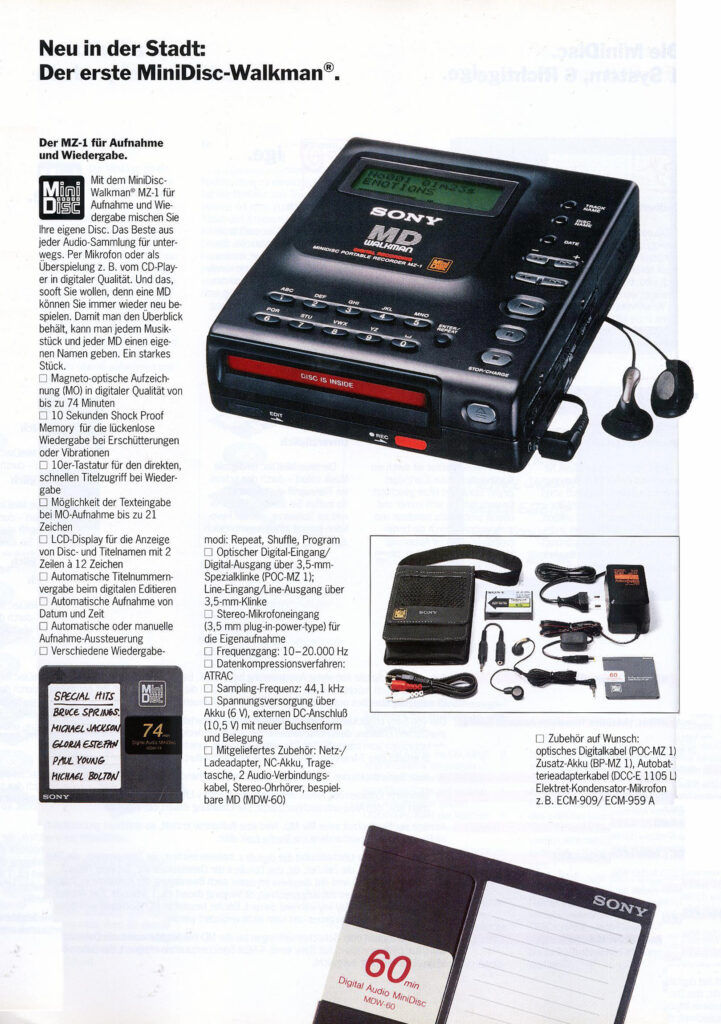
The MiniDisc formay was inducted into the Hi-Fi Hall of Fame in 2026. Click here to see our profile: hifihalloffame.com/technology/minidisc/
Other Sony Products
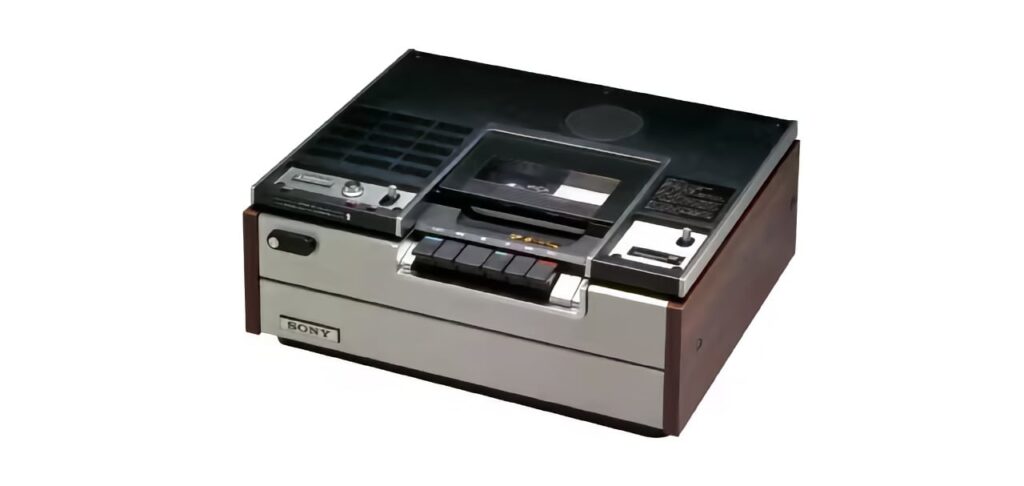
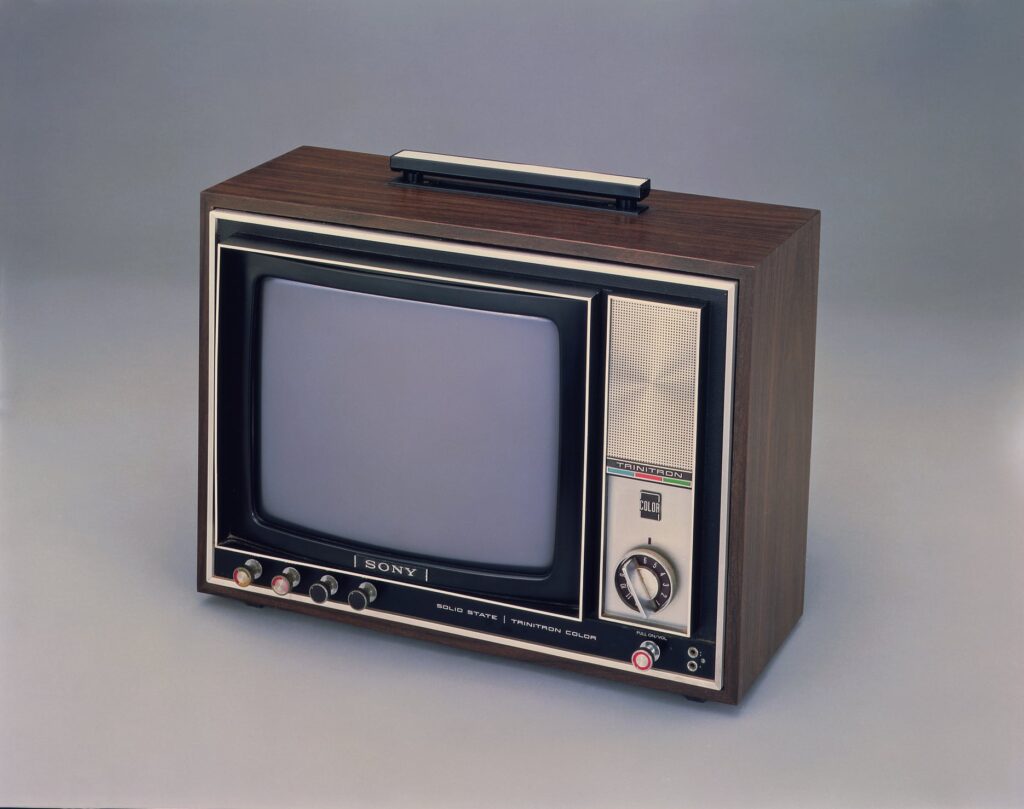
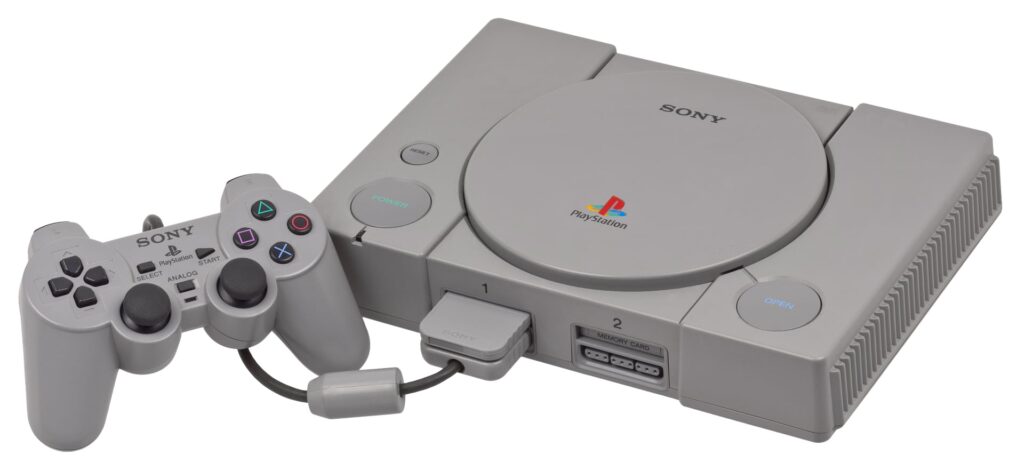
The Hi-Fi Hall of Fame has a focus on high fidelity audio equipment, but Akio Morita’s Sony corporation were also leaders in other electronics categories. Their “Betamax” video cassette recorders, “Trinitron” television sets, and “Playstation” video gaming consoles were tremendous products that showed the breadth of Sony’s expertise.
Retirement, Passing and Legacy
When Akio Morita stepped down as chairman of Sony in November 1994, it marked the end of one of the most transformative eras in modern industrial history. Over nearly five decades, Morita had steered Sony from a small, struggling post-war startup into a global powerhouse. He took a company whose earliest successes relied on licensing and refining basic transistor technology and transformed it into a global trendsetter. By the time of his retirement, Morita had elevated Sony to the co-creator of the digital audio standard—most notably through the Compact Disc, developed alongside Philips—that ruled the world for a quarter-century.
Morita was more than a corporate executive; he was a cultural diplomat who bridged the gap between Japanese engineering precision and Western consumer culture. He understood that technology was not merely about internal specifications, but about human lifestyle. Under his leadership, Sony did not just respond to consumer demands—it anticipated them. From the pocketable transistor radio to the world-changing phenomenon of the Walkman, Morita championed portability, high fidelity, and sleek design, forever altering how humanity interacted with music.
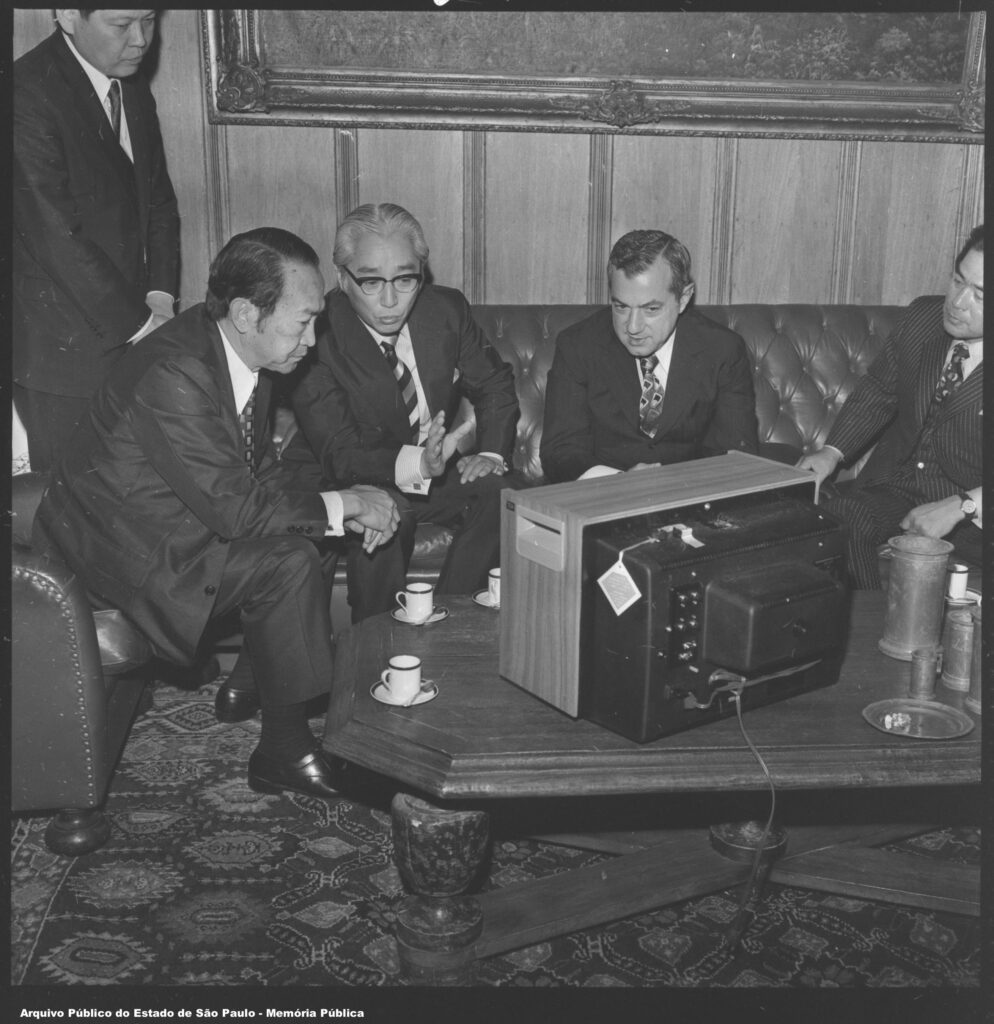
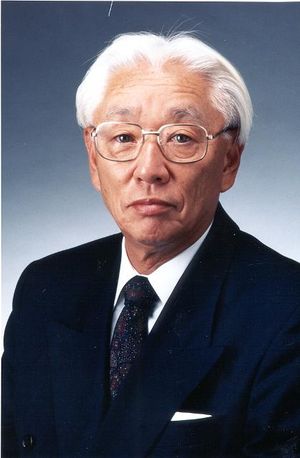
Following his retirement due to health complications, the legendary co-founder passed away in October 1999 at the age of 78. He left Sony with a tremendous, indelible legacy that defined the landscape of 20th-century consumer electronics.
Today, the landscape of technology has shifted significantly. Sony remains a dominant global force in the electronics, entertainment, and gaming sectors, yet the company operates with a notably different focus than it did during Morita’s golden era. The fierce devotion to dedicated, standalone Hi-Fi components—the premium separate amplifiers, innovative tape formats like Elcaset or DAT, and high-end optical players that once formed the soul of the company—has largely receded into history.
Instead, Sony’s modern audio lineup reflects the contemporary shift toward convenience and spatial integration. The current catalog has streamlined significantly, focusing primarily on a select few home theater receivers, premium wireless headphones, and advanced soundbars. While the days of sprawling, dedicated stereo stacks have given way to smart, integrated devices, the underlying DNA of Morita’s vision remains: delivering clean, impactful sound tailored beautifully to how people live.
Akio Morita Library
The Akio Morita Library, which opened in July 2020, is a private memorial museum dedicated to the life, philosophy, and legacy of the legendary Sony co-founder and his wife, Yoshiko. Managed by the Tengai Cultural Foundation, the library is uniquely situated on the ancestral grounds of the Morita family in Tokoname, Aichi Prefecture, Japan—the site of the historic 300-year-old family sake brewing business that Akio was originally born to inherit.
Rather than focusing solely on corporate milestones, the library highlights the deeply personal values that drove Morita’s success, particularly his lifelong focus on human connections and global citizenship, balanced by his wife’s exceptional spirit of hospitality.
Across five distinct exhibition areas, the museum houses an extensive archive of both public artifacts and intimate personal items left behind by the couple. Visitors must book a reservation in advance to explore the collection, which beautifully illustrates how a young boy obsessed with phonographs and vacuum tubes emerged from a traditional sake brewery to completely revolutionize 20th-century global business, technology, and audio culture.

Learn more about Sony and Akio Morita
If you’d like to learn more about Sony, the company’s website has a lot of information on the company’s history and products: www.sony.com/en/SonyInfo/CorporateInfo/History/sonyhistory.html
If you’d like to see the company’s current product lineup, please visit their website: www.sony.com/en
There are also websites dedicated to the memory of Akio Morita. Here are links to the Japanese and English language websites:
akiomorita.com (Japanese language)
akiomorita.com/en (English language)
Akio Morita: Induction into the Hi-Fi Hall of Fame
It’s hard to imagine what the world of Hi-Fi would look like without Sony. The company brought many new technologies to market, from the original transistor to the V-FET to the compact disc.
Sony created new formats that changed the world of Hi-Fi: the Elcaset, DAT, and MiniDisc.
Sony products, from the entry level to the professional grade, were always high quality and great value. Their early transistor radios, tape recorders, amplifiers, and digital players were often first-to-market, stylish, and high performing.
The man behind much of this success was Akio Morita. His success with Sony was rooted in a brilliant blend of global vision, relentless innovation, and deep empathy. He believed technology should serve human lifestyle needs, leading to groundbreaking, consumer-focused products like the Walkman.
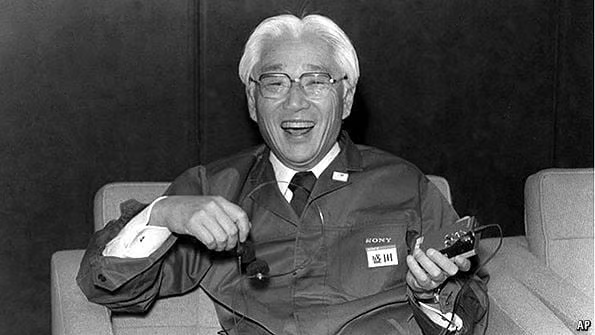
Morita fundamentally valued lifelong learning and cross-cultural connection, pushing Sony to think beyond Japan to conquer global markets by prioritizing localized marketing and universal brand appeal. Furthermore, his management style treated employees like family, fostering a corporate culture of mutual trust and creative freedom. By marrying traditional Japanese loyalty with western entrepreneurial spirit, Morita’s values turned Sony from a tiny repair shop into a global powerhouse.
For all of these reasons, Akio Morita is inducted into the Hi-Fi Hall of Fame.