
Hi-Fi Hall of Fame
2026 Inductee
Rega Planar Turntable

Introduction
Our next inductee is a turntable – or rather, a range of turntables – with a long history: the Rega Planar.
The company that produces the Planar, Rega Research, was founded in 1973 and their first product was the “Planet” turntable, launched in 1973. The Planet was short lived, as Rega launched the Planar in 1975…..a turntable that would make Rega an iconic Hi-Fi manufacturer.
Let’s see why the Rega Planar deserves a spot in the Hi-Fi Hall of Fame.
Rega Research: Origin Story
Rega Research was born out of classic British tinkering, financial necessity, and a bit of frustration with the audio gear of the era.
As a young music lover working for the Ford Motor Company, Roy Gandy couldn’t afford high-end hi-fi gear. Driven by a desire for better sound, he began building his own loudspeakers and restoring old audio equipment. He eventually began working part-time as a hi-fi retailer, but grew incredibly frustrated by how much time he had to spend repairing brand-new turntables before they were fit to sell to customers.
Realizing he could engineer a more reliable and better-sounding deck himself, Gandy partnered with fellow businessman Tony Relph. They officially registered Rega Research Ltd., creating the name by combining the first two letters of their surnames: RE for Relph and GA for Gandy. Their first commercial product was the Rega Planet turntable, distinctive for its unique steel-and-aluminum three-point platter design.
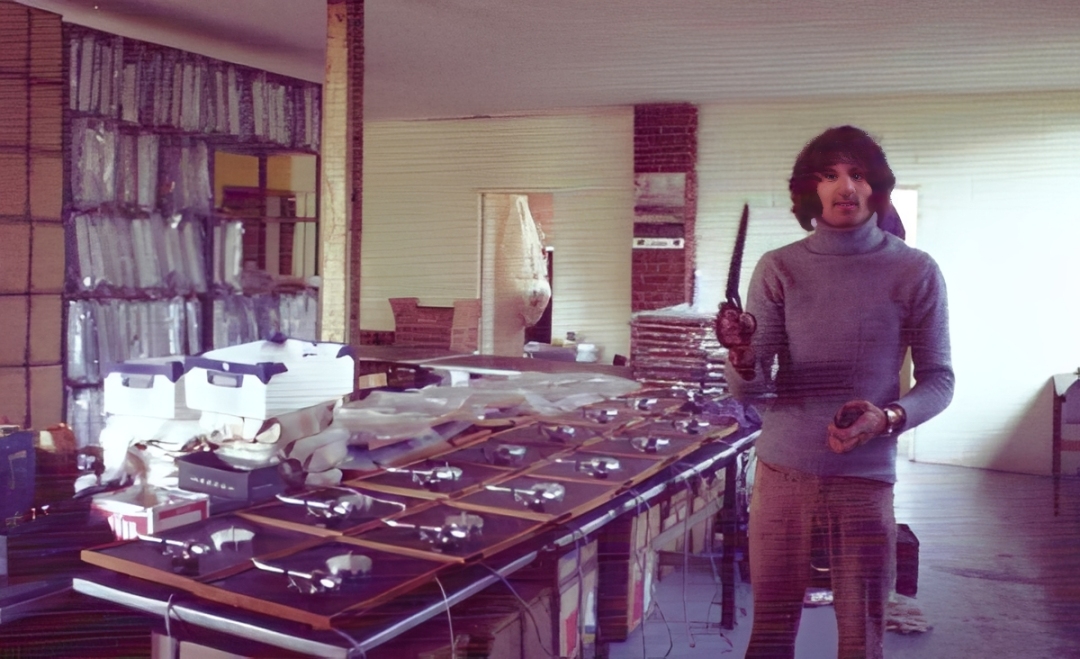
Within a few short years, Tony Relph departed the company to pursue other ventures, leaving Roy Gandy as the sole owner and creative force. In 1976, Gandy revolutionized the brand’s approach by launching the original Planar.
From day one, Gandy viewed a turntable not as a piece of furniture, but as a scientific measuring machine designed to track vibrations measured in microns. While the rest of the industry at the time believed heavier turntables absorbed unwanted vibrations better, Gandy believed the opposite: that high mass actually stores acoustic energy and bleeds it back into the stylus, creating distortion. His early realization that a turntable should be as lightweight and structurally rigid as possible remains the foundational engineering law that Rega uses for its modern foam-core and skeletal decks today.
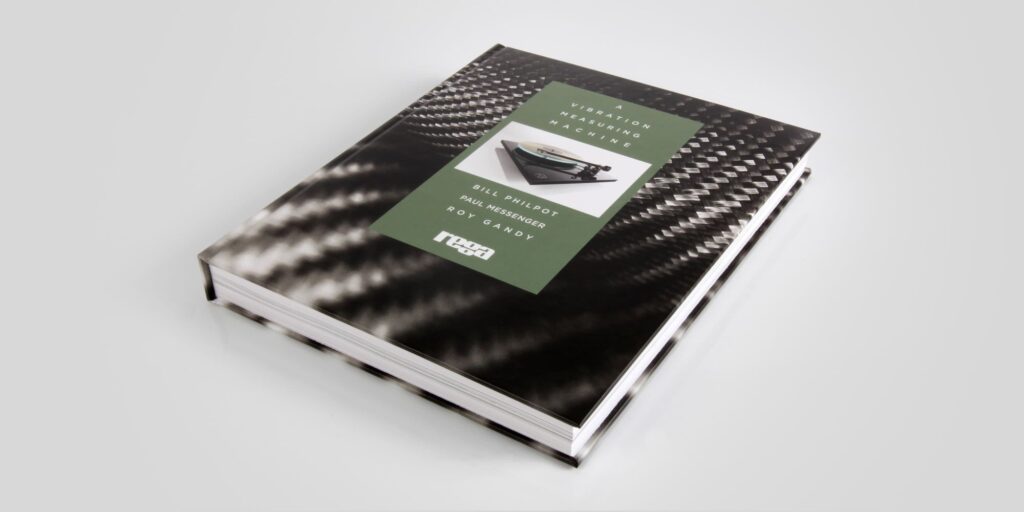
Roy Gandy has even co-written a book on this view, you can order a copy from the Rega online shop: www.rega.co.uk/shop/item/a-vibration-measuring-machine
From “Planet” to “Planar”
While that original Planet was a striking piece of industrial design, it was expensive and difficult to manufacture perfectly. Rega quickly realized that trying to machine those three-point platters to the strict tolerances required for perfect speed stability wasn’t sustainable for mass production.
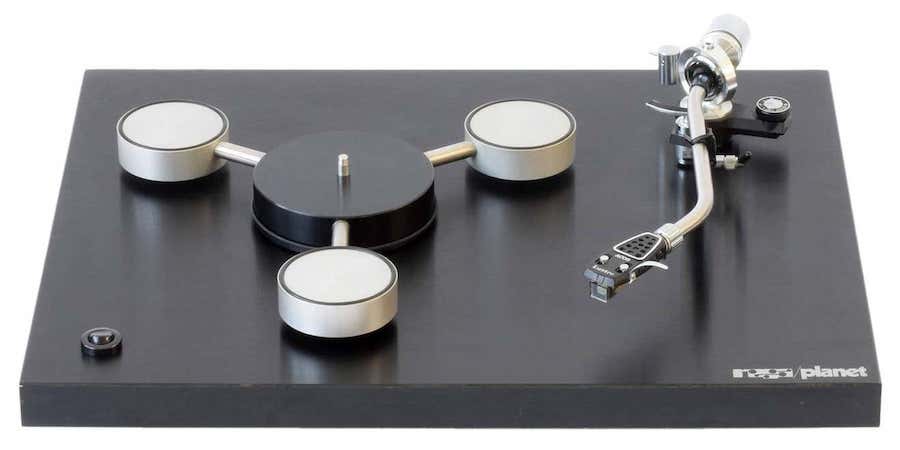
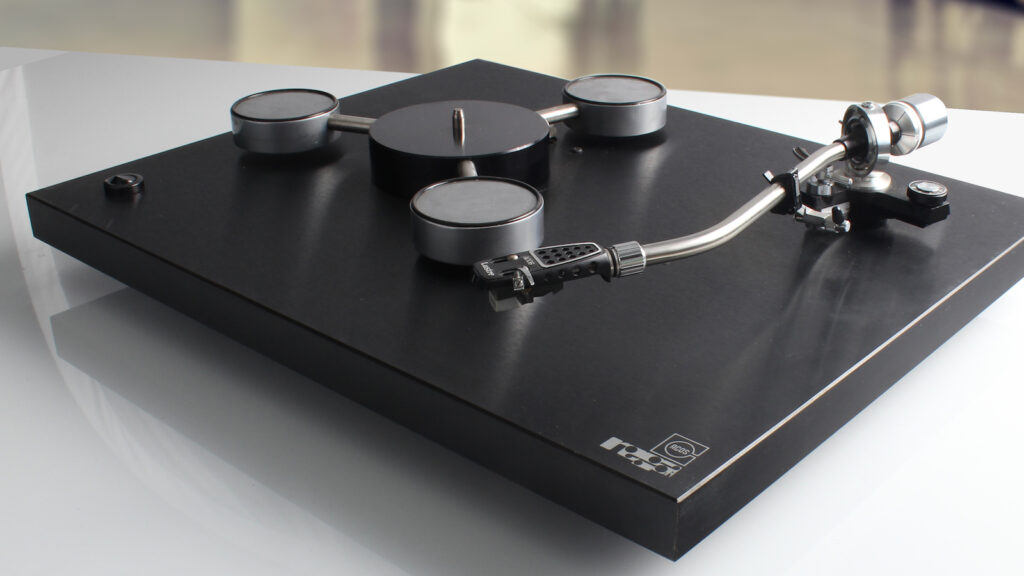
By 1975, Rega phased out the Planet and introduced the original Planar, swapping the iconic three-point steel pods for a solid, perfectly flat slab of heavy float glass. The glass platter achieved the exact same goal—excellent peripheral weight and low resonance—but was much more stable and affordable to produce.
It was a highly limited introductory run of just 200 units, but it paved the way for the slightly refined Planar 2 in 1976 and the legendary Planar 3 in 1977.
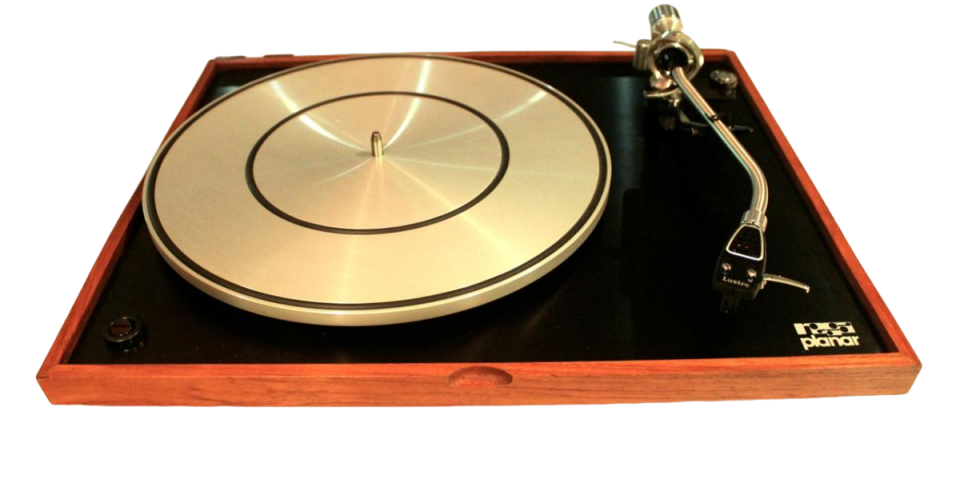
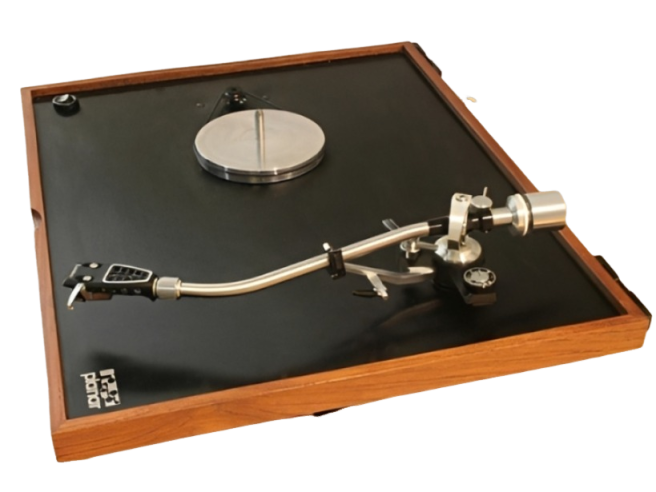
What made the original Planar so special comes down to three major design departures from the 1970s audio status quo:
1. The Light and Rigid Philosophy (Defying the “Heavy” Trend)
In the mid-1970s, the hi-fi world was dominated by heavy, complex, suspended-chassis turntables (like the Linn Sondek LP12 or Thorens decks) or mass-loaded direct-drive tables. The prevailing wisdom was that heavy mass absorbed unwanted vibrations.
Roy Gandy believed the exact opposite: that heavy mass stores acoustic energy and slowly bleeds it back into the stylus, smearing the sound. His solution was a lightweight, rigid plinth made of laminate-covered particulate board. It didn’t store energy; it let vibrations dissipate instantly, resulting in an incredibly quick, dynamic, and clean sound.
2. The Float Glass Platter
Instead of using heavy, resonant cast-aluminum or alloy platters, Rega introduced a float glass platter. Glass provided a perfectly flat, uniform surface with excellent peripheral mass, creating a natural flywheel effect to maintain speed stability without adding heavy, mud-inducing bulk to the center of the bearing.
3. Radical “Plug-and-Play” Simplicity
High-end turntables of the era required painstaking setup. They had springs that needed balancing, tracking weights that required precision alignment, and chassis adjustments that often required a dealer trip with specialized jigs. The Planar tore down those barriers. It was built as a unified, cohesive machine that required very little adjustment:
- You levelled it on a flat surface
- You twisted the counterweight until the arm balanced, then you dialed in the appropriate tracking force
- To switch from 33 to 45 RPM, you didn’t fiddle with complex electronic switches that could fail; you simply lifted the platter and manually moved the drive belt to a different step on the motor pulley.
Some audiophiles scoffed at this simplicity, viewing it as unrefined. But when they actually listened to it, the Planar delivered an immediate, “in-the-room” realism and rhythmic drive that punched way above its price tag. It effectively democratized high-fidelity vinyl playback for the everyday music lover.
Rega Planar Evolution
The Planar has been in continuous production since 1975, but the design has evolved and expanded over the years.
The evolution of the Rega Planar is one of the most fascinating stories in high fidelity audio. While many audio companies chase digital trends or radically overhaul their visual identity every decade, Rega has spent over 50 years executing a relentless, microscopic refinement of a single, foundational idea: rigidity without mass.
If you place a 1975 Planar side-by-side with a 2026 current version, the core silhouette looks remarkably similar, but beneath the surface, much has changed. The transformation of the Planar series from its inception to today can be traced through five key engineering shifts:
1. The Core Plinth Philosophy (From Wood to Aerospace Foam)
The earliest Planars used a relatively simple, solid slab of medium-density particleboard (MDF) wrapped in a wood or laminate trim. While lightweight compared to the heavy metal decks of the 1970s, it still held onto a modest amount of mechanical energy.
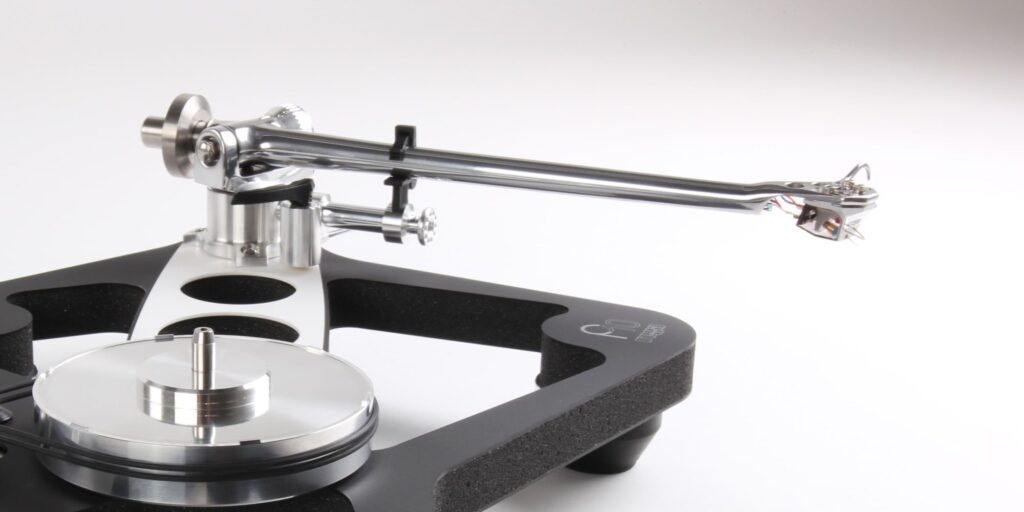
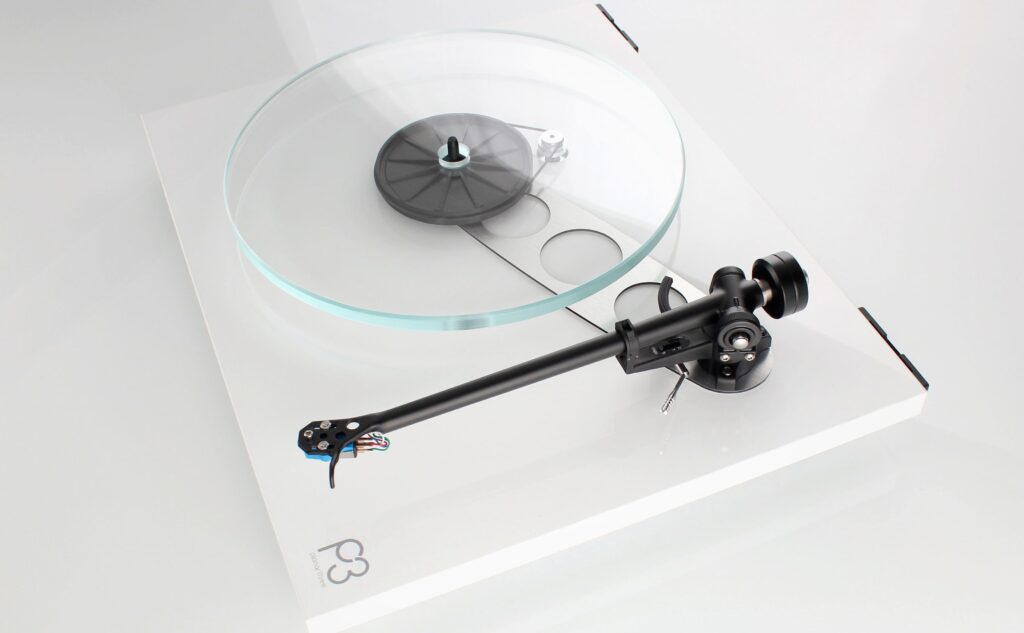
Over the decades, Rega realized that the space between the tonearm bearing and the main platter hub bearing is the most critical structural zone. In the 2010s, they introduced “Double Brace Technology”, which comprise highly rigid phenolic and metal strips bridging those two points to eliminate flex without adding heavy bulk to the rest of the table.
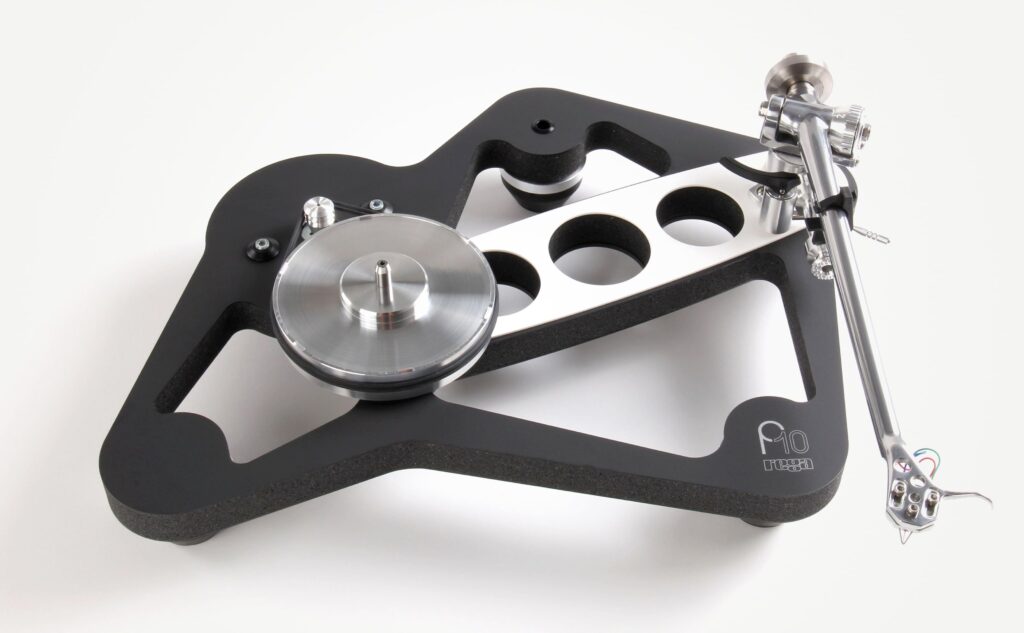
On upper-tier models, wood has been completely abandoned. Today’s tables utilize an ultra-lightweight polyurethane foam core sandwiched between thin, incredibly rigid High-Pressure Laminate (HPL) skins. On flagship models, this has evolved into a “skeletal” frame that removes any piece of material not explicitly required to hold the mechanical components together.
2. The Glass Platter
The original switch from the Planet’s metal “pods” to a solid float glass platter was groundbreaking. It was cut from standard industrial float glass—which had excellent peripheral flywheel mass but retained a distinct green tint due to the iron content inherent in standard glass manufacturing of the time.
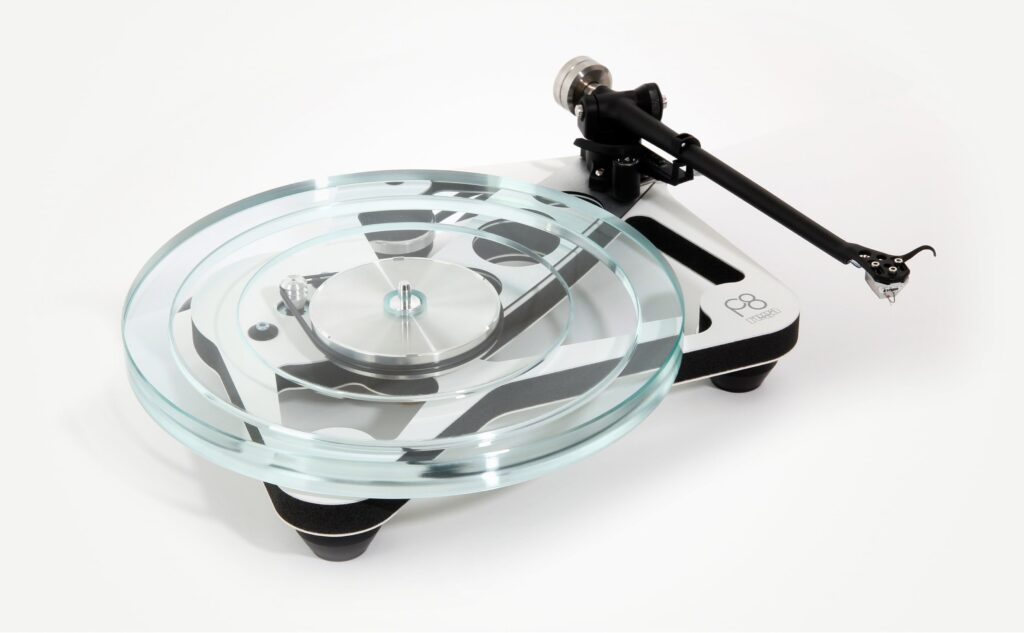
The current glass platters use “Optiwhite” technical glass. This specialized, iron-free glass is entirely clear and can be manufactured and diamond-polished to a much higher density and perfect structural uniformity. On the highest-end models, this has now transitioned to ultra-hard, completely inert diamond-cut ceramic oxide.
3. The Tonearm Revolution
Rega did not initially build its own tonearms. The earliest Planars shipped with the “Rega R200”, a Japanese arm built by Acos. It was a classic 1970s S-shaped arm with multiple joint connections, internal wiring couplers, and a removable headshell—all of which introduced tiny structural micro-gaps where resonance could collect.
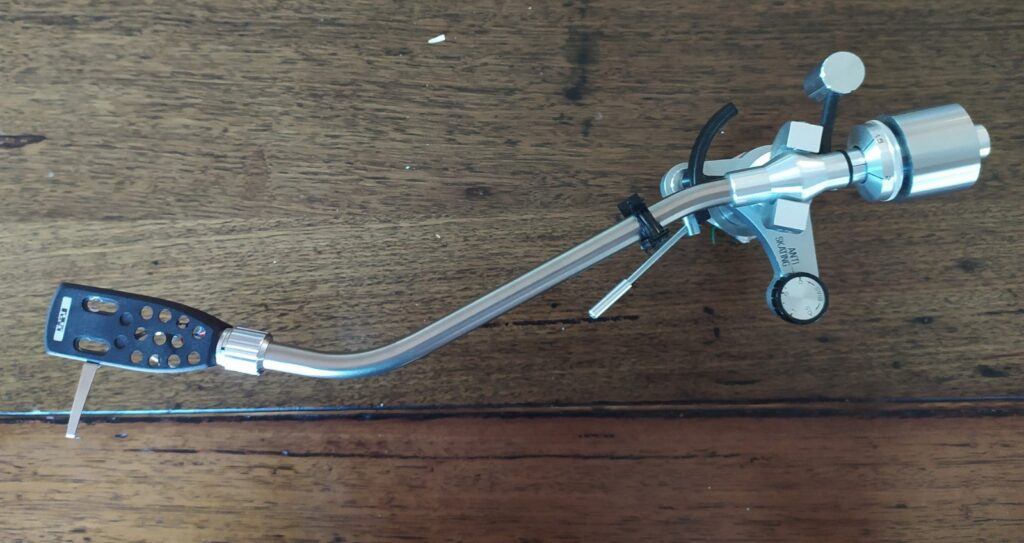
In 1983, Roy Gandy introduced the “RB300”, an absolute milestone in hi-fi history. It was the world’s first one-piece, die-cast aluminum tonearm tube. By eliminating joints and headshell seams, it offered structural purity that couldn’t be matched.
Today’s standard arms use advanced computer-aided design (CAD) modeling to redistribute mass intelligently along the arm tube, paring it with zero-tolerance, microscopically compressed bearing assemblies and continuous, low-capacitance internal phono wiring from the cartridge tags straight to the RCA plugs.
4. Motor and Speed Regulation
Early Planars used standard AC synchronous motors running directly off the voltage from your household wall outlet. To shift from 33 to 45 RPM, you manually lifted off the glass platter and moved the drive belt from one step of the aluminum pulley wheel to another. If your household electrical grid fluctuated slightly in frequency, your platter speed fluctuated with it.
Modern entry level decks still use the elegant manual belt-shift for simplicity, but the underlying motor has been upgraded to a 24-volt, low-noise synchronous design run by a custom internal circuit board.
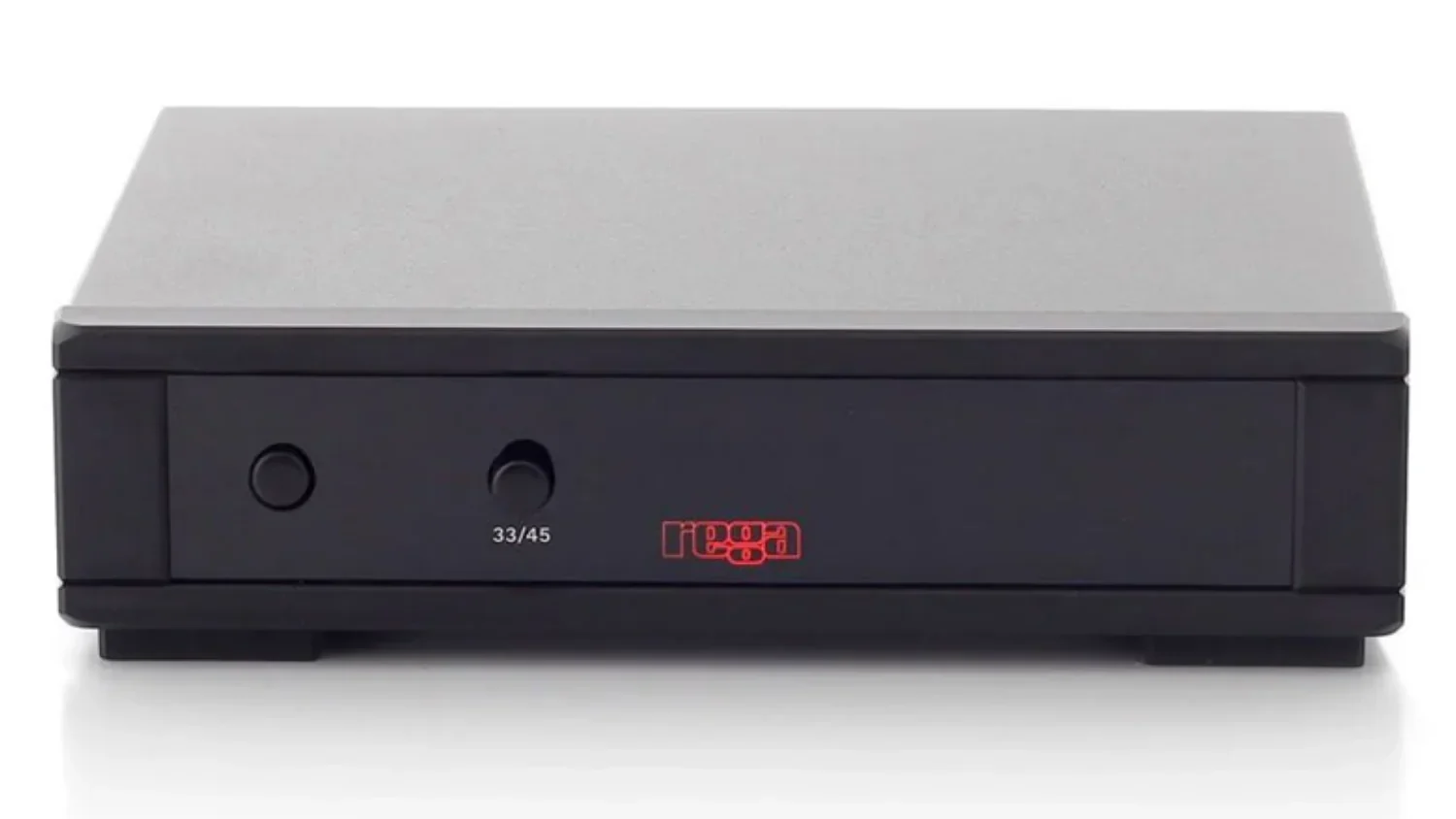
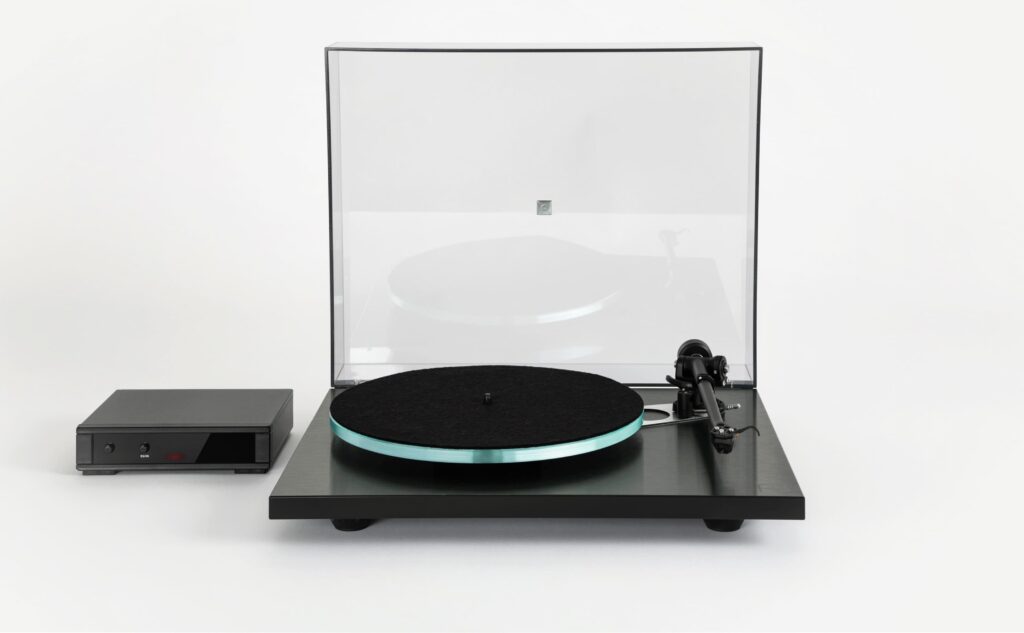
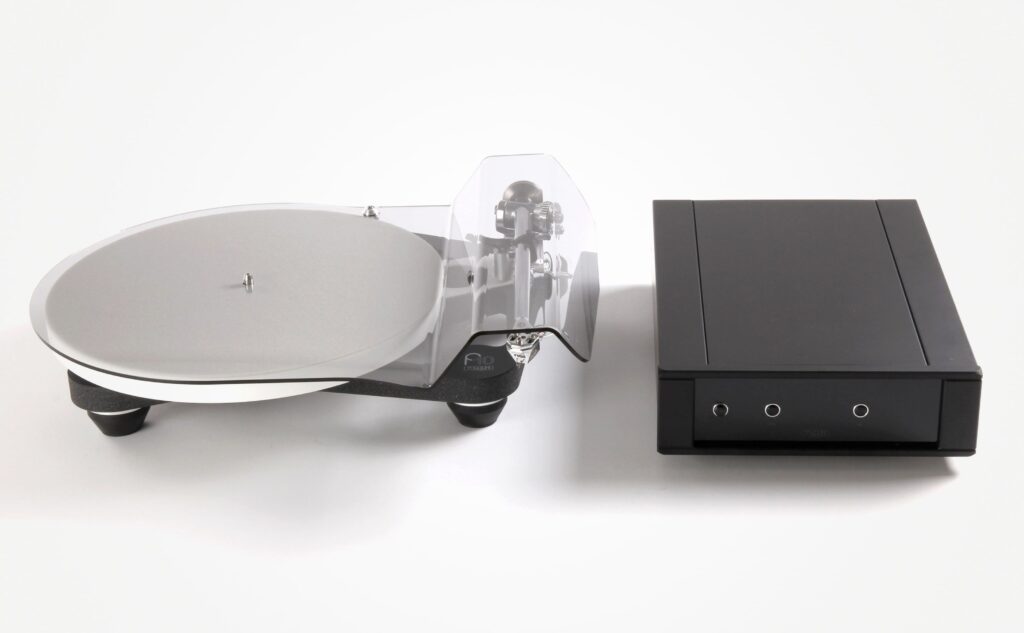
From the mid-tier upward, the motor is entirely isolated and controlled by a dedicated outboard electronic power supply unit such as the Neo MK2. These use digital signal processing (DSP) to generate a perfectly clean, synthetic sine wave to drive the motor, allowing you to change speeds at the press of a button and enabling microscopic speed adjustments to account for belt wear over time.
5. Cartridge Engine Overhauls
For decades, Rega paired its decks with dependable, warm-sounding entry-level Moving Magnet (MM) cartridges like the Rega Carbon or the classic, three-point mounted Elys and Exact.
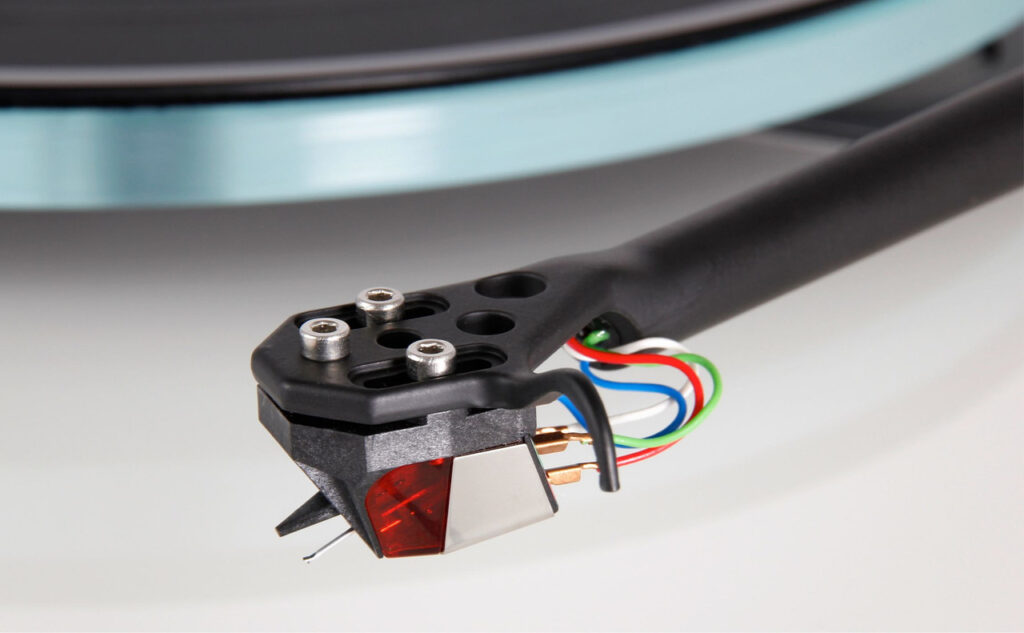
The current generation marks the biggest step forward in Rega’s cartridge engineering in twenty years with the introduction of the “Nd” series. These are the world’s first moving magnet cartridges to utilize Neodymium magnets (the strongest permanent magnets commercially available). This allowed Rega to radically reduce the mass of the internal generator, yielding a massive jump in tracking precision, transient speed, and top-end detail retrieval that aligns perfectly with the neutrality of their modern plinths.
Today’s Planar Range of Turntables
Today, the Rega Planar lineup ranges all the way from accessible, user-friendly entry decks to reference-grade audiophile components. As you move up the range, the core design principles remain focused on low-mass, high-rigidity engineering, with notable steps up in tonearm precision, platter materials, and motor power supply stabilization. Here are some of the current Planar models:
Rega Planar 1
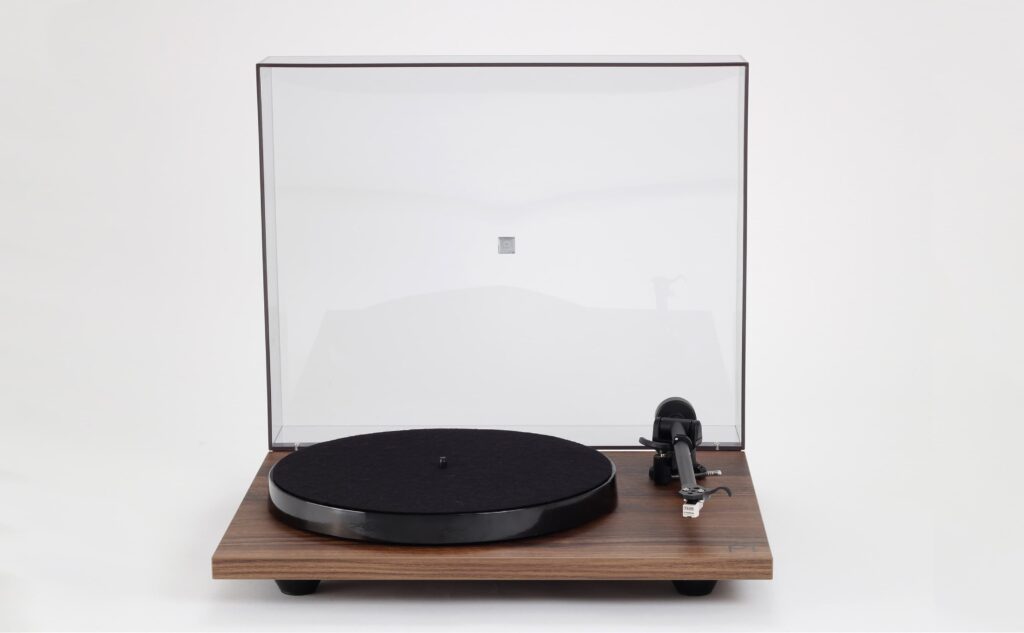
Rega’s modern entry level standard is the “new” Planar 1, featuring the RB110 tonearm and a precision 24v motor.



Rega Planar 3
The Planar 3 may be the spiritual successor to the iconic 1970s deck. Over the years, this model has been updated with modern bracing technology. The Planar 3 serves as the historical bedrock of the brand, utilizing “double-brace technology” between the tonearm and central bearing to prevent unwanted resonance.
Rega Planar 78
The Planar 78 is a specialty deck with a single-speed playback motor for mono 78 RPM records.

Rega Planar 8 and Planar 10
At the top of the line, the Planar 8 and Planar 10 employ a “skeletal minimalist geometry” to reduce mass further, pairing with advanced electronic external power control units and exotic platter materials like triple-layer glass or diamond-cut ceramic oxide.
More about Rega
While Rega is best known for turntables, the company also makes a range of other Hi-Fi gear, including amplifiers, CD players, loudspeakers, phono cartridges, and tonearms.
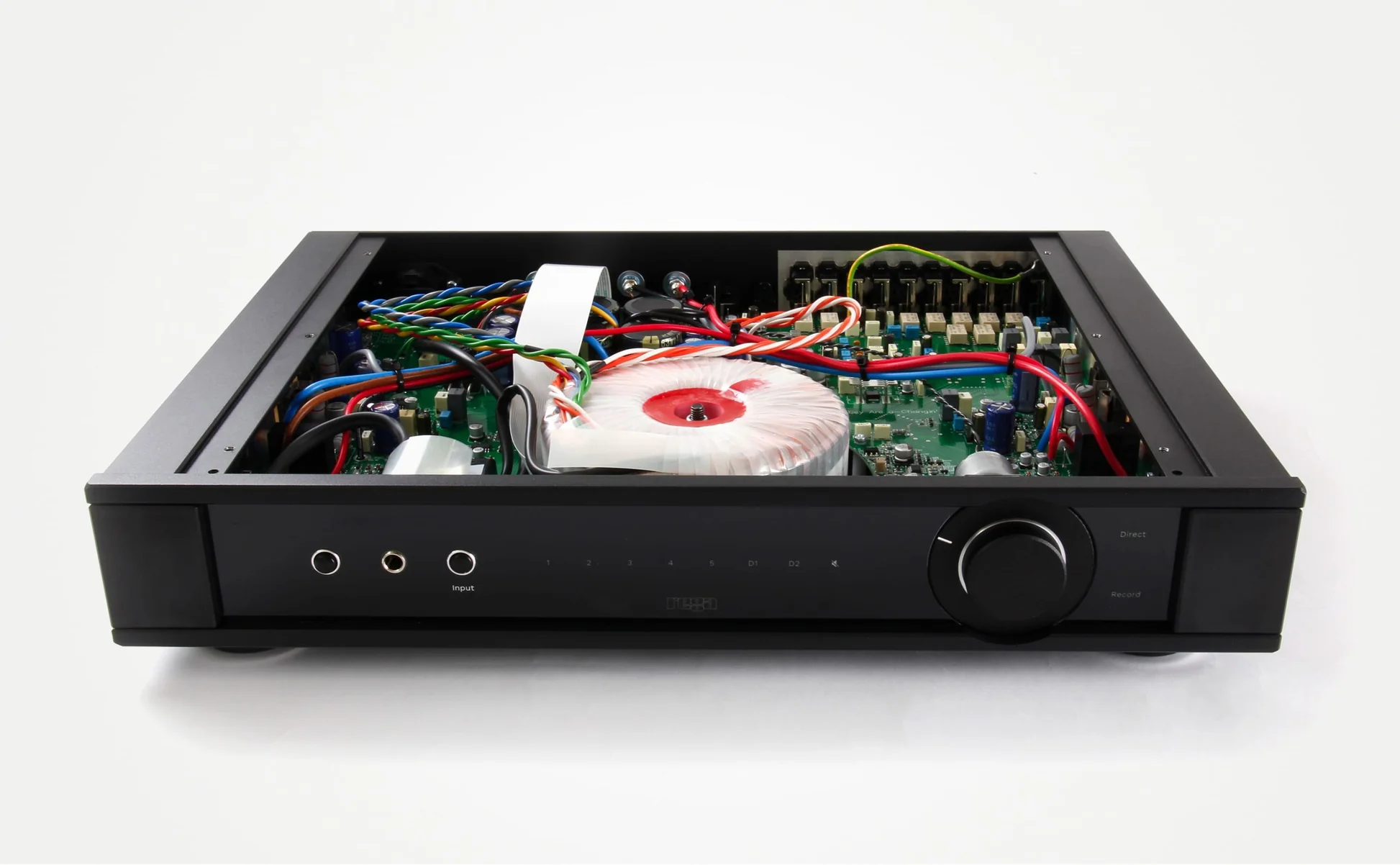
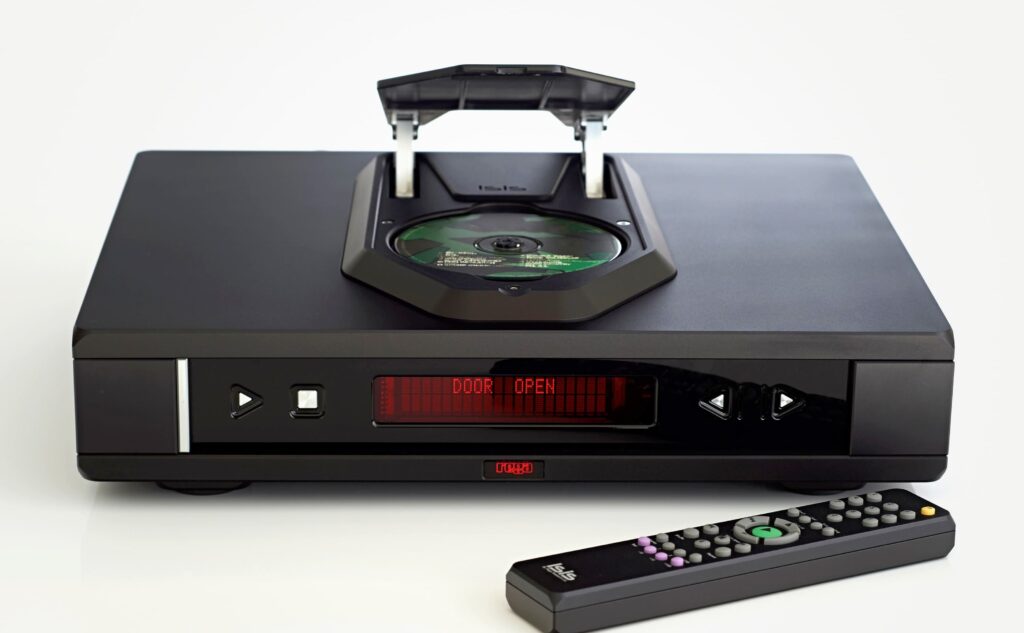
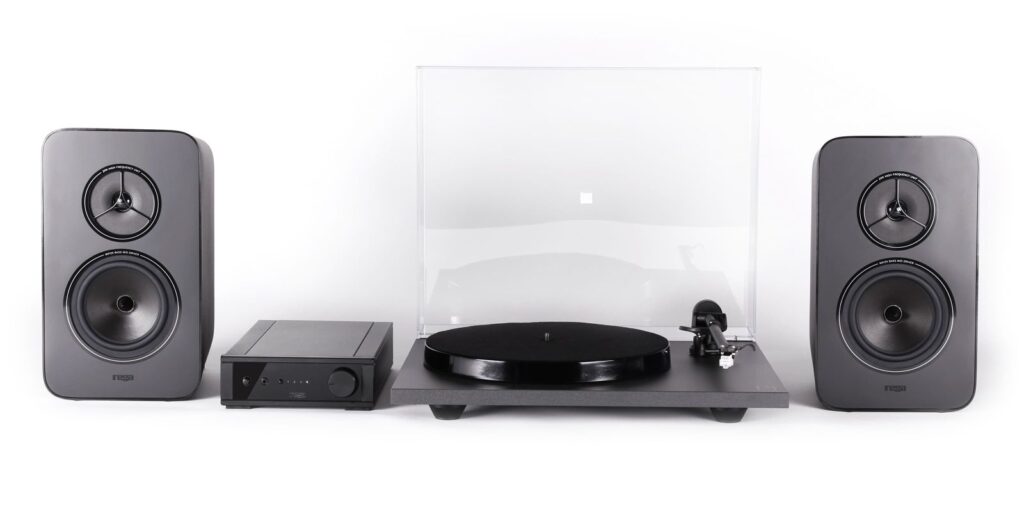
You can even buy a complete turntable-based system from Rega, called the System One, comprising a Planar 1 turntable, “io” amplifier, and a pair of Kyte speakers.
If you’d like to see the entire Rega line, please visit their website. In addition to the current product lineup, it has pages dedicated to the history of the company, and to the founder Roy Gandy: www.rega.co.uk
Rega Planar: Induction into the Hi-Fi Hall of Fame
The Rega Planar is an icon in the pantheon of high-fidelity audio. Introduced in the mid-1970s, a “high-water mark” era for turntables, it entered a market where audiophiles were spoiled for choice. Enthusiasts could choose between direct drive decks like the Technics SL-1200 or Dual 701, or legendary belt drives like the Linn Sondek LP12 or Thorens TD125, or even the affordable Pioneer PL-12D.
Amid this stiff competition, Rega founder Roy Gandy took a radically different approach. Viewing turntables fundamentally as “vibration measuring machines,” his philosophy was to eliminate structural resonance entirely.

Rega’s journey began with the “Planet,” a noble first attempt at tackling unwanted vibrations. However, manufacturing challenges with the Planet quickly led to the birth of the very first Planar. Driven to perfect the design, Gandy continuously tweaked the turntable to better stabilize the record.
Over the decades, this relentless pursuit of sonic purity drove the continuous development of new tonearms, cartridges, motors, plinths, platters, and braces designed for maximum rigidity and minimal mass.
Over its storied history, the Planar has racked up countless industry awards and built a fiercely loyal global following. Yet, despite its international success, Rega remains deeply rooted in its heritage: every turntable is still proudly designed and manufactured in Britain. Today, Roy Gandy still heads the company, personally continuing his lifelong quest for the elusive, perfectly vibration-free turntable.
How many Planars have shipped since that original 1975 model? While Rega keeps its official production numbers close to the chest, industry estimates suggest the company may have sold well over 1.5 million units. If true, that comfortably crowns the Rega Planar as the best-selling audiophile belt-drive turntable of all time. a true classic that has rightfully earned its permanent place in audio history.
For all of these reasons, the Rega Planar is inducted into the Hi-Fi Hall of Fame.
