Hi-Fi Hall of Fame
People Inductee
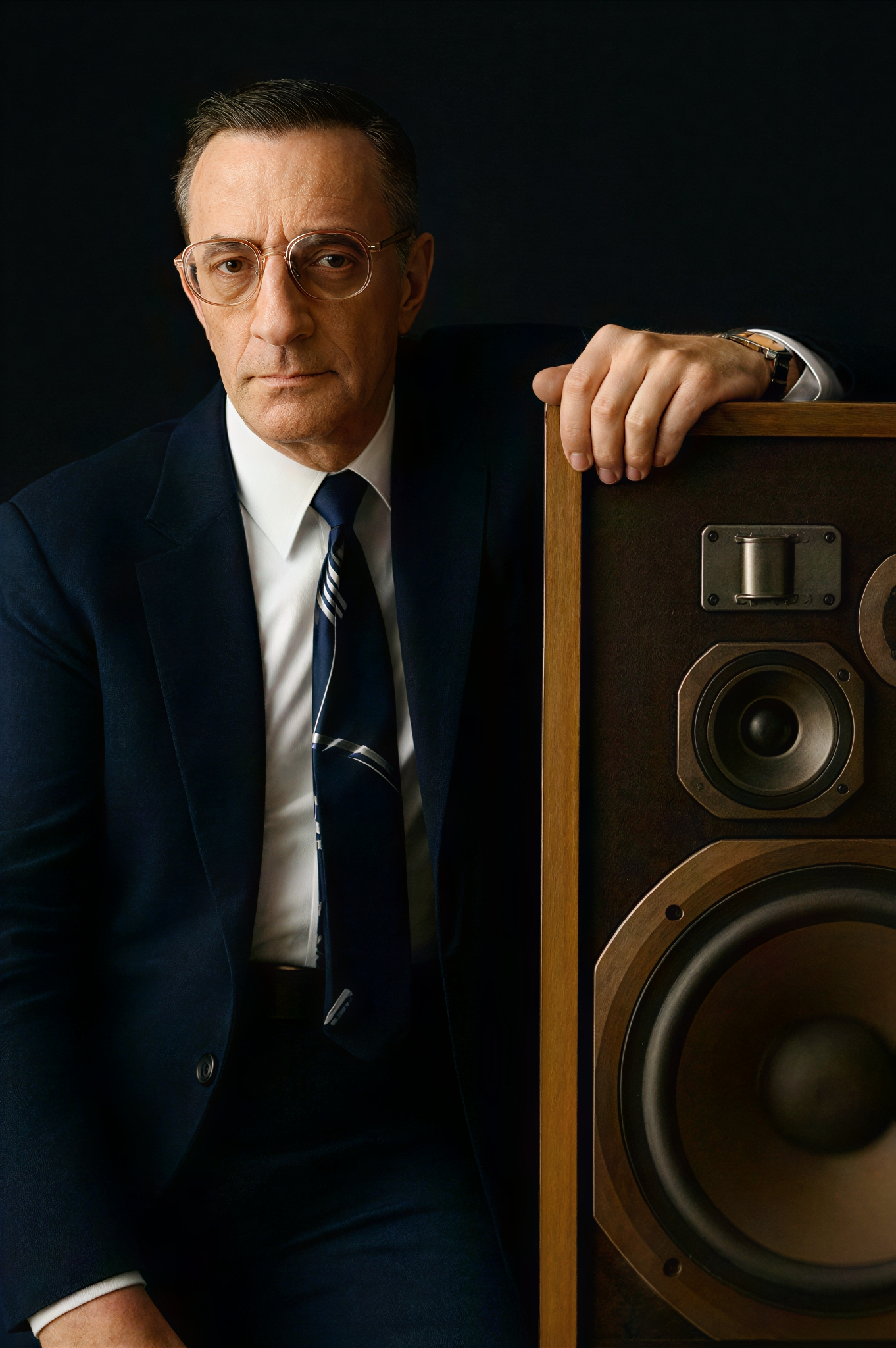
Bart Locanthi
Introduction
Our next inductee is an American audio engineer who created some iconic Hi-Fi equipment in a career spanning more than three decades: Bart Locanthi. His long career included stints with JBL, Altec, Pioneer North America, and Technical Audio Devices (TAD), where he produced some extraordinary equipment. He also served in the Audio Engineering Society where he helped to usher in the digital audio era.
Let’s look at his outstanding career to see why Bart Locanthi belongs in the Hi-Fi Hall of Fame.
Background
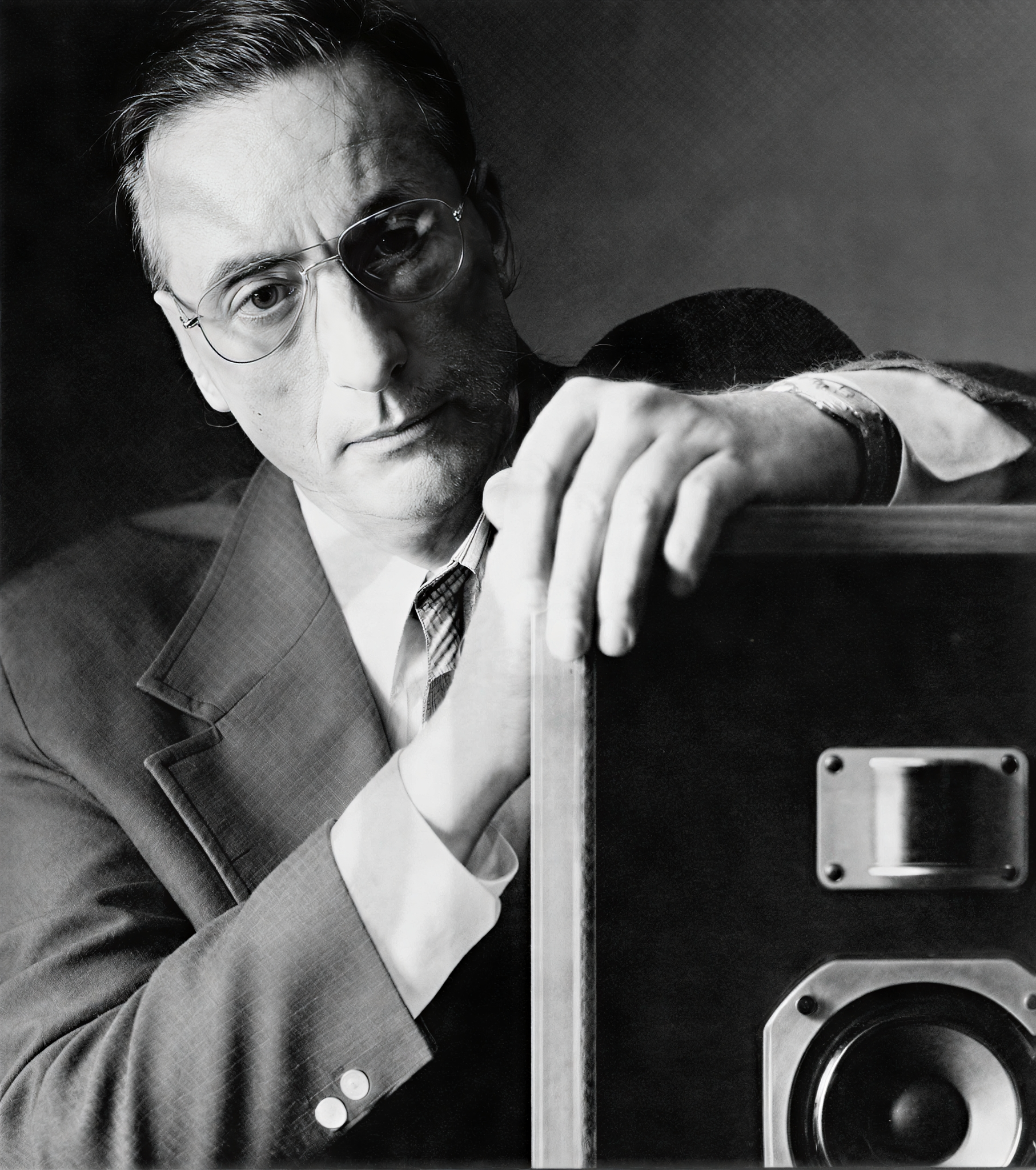
Bartholomew Nicholas “Bart” Locanthi was a preeminent American audio engineer whose innovations shaped the professional audio industry throughout the 1970s and 1980s. Born in White Plains, New York, on September 10, 1919, Locanthi became a leading authority in transducer design and computer-aided audio engineering.
Locanthi’s academic pursuit at the California Institute of Technology (Caltech) was interrupted by his service in World War II. Following the war, he returned to Caltech and graduated in 1947 with a B.S. in Physics. He remained at the institute as a research associate until 1953, working with a specialized group focused on analog computer development. This experience led him to found a company “Computer Engineering Associates”, where he served as Chief Engineer from 1953 to 1960.
While Locanthi’s early career was rooted in analog computing, he is most renowned for bridging the gap between computer science and acoustic engineering.
During his tenure at Computer Engineering Associates, Locanthi published a groundbreaking paper on modeling loudspeaker performance through electrical equivalence circuits. Utilizing analog computers, he applied these modeling techniques to develop the JBL “LE” series of transducers. His methodology remains the industry standard, forming the mathematical foundation for modern computer-aided design (CAD) programs used by loudspeaker manufacturers today.
JBL
Bart Locanthi’s influence on high-fidelity audio solidified during his long-standing relationship with JBL. Beginning as a consultant in 1949, he eventually served as the Vice President of Engineering from 1960 to 1970. His contributions during this era defined the “JBL sound” and set new benchmarks for both home and professional audio.
Under Locanthi’s leadership, JBL produced some of its most iconic hardware. His work included:
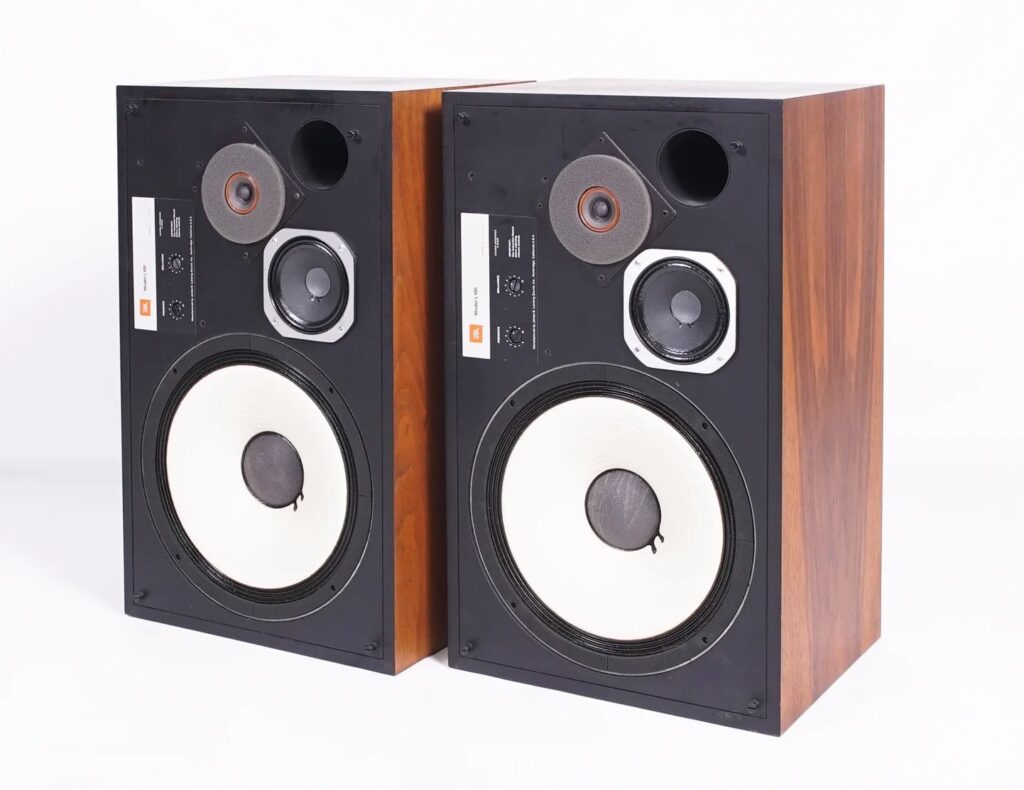
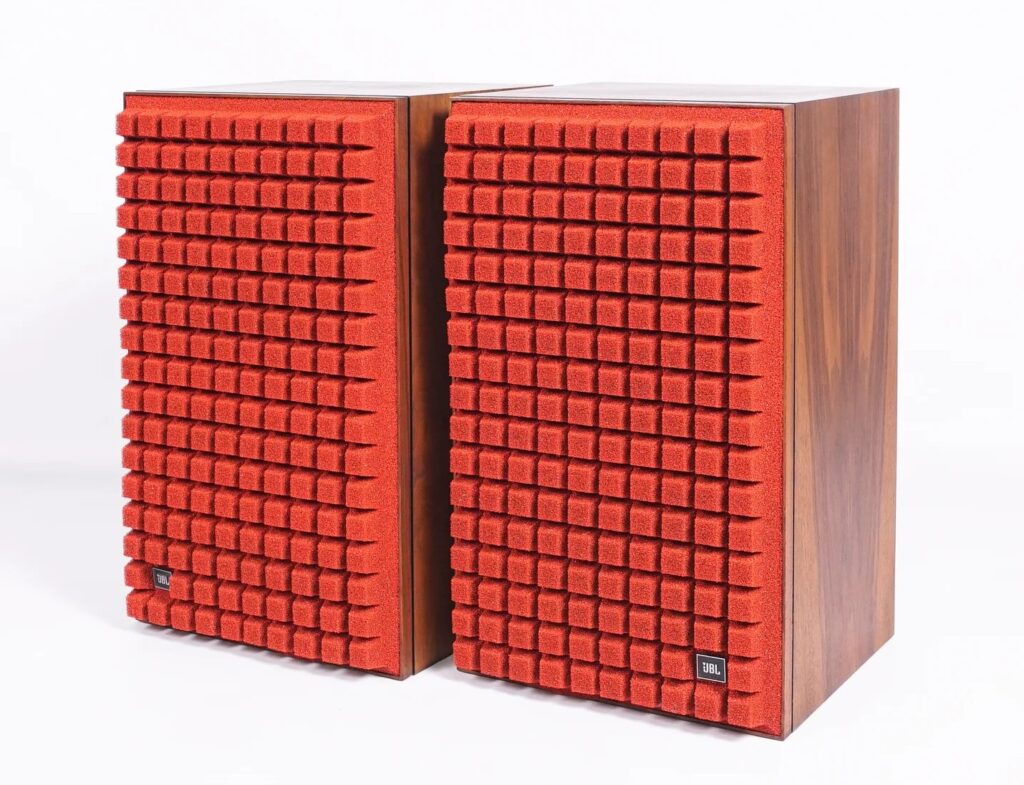
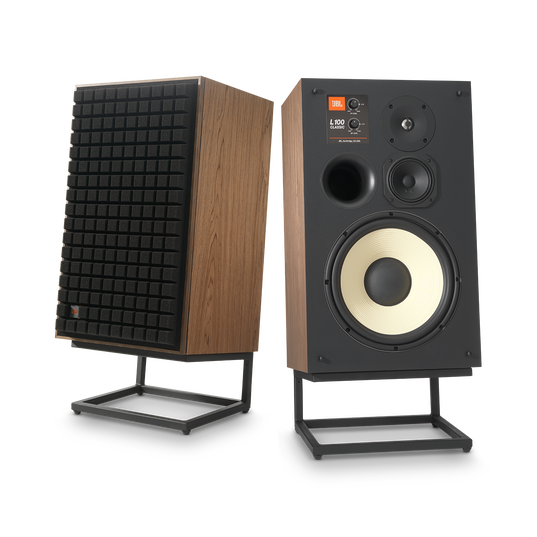
- The L-100 Century: During his tenure, JBL released the L-100 “Century”, which became the most popular loudspeaker in the world at the time. Its enduring legacy led JBL to re-introduce the model in recent years to celebrate its classic status.
- Transducer Development: He oversaw the creation of numerous cone transducers and large-format compression drivers.
- Acoustical Lenses: He designed the signature acoustical lens products that became a visual and functional hallmark of JBL’s professional systems for decades.
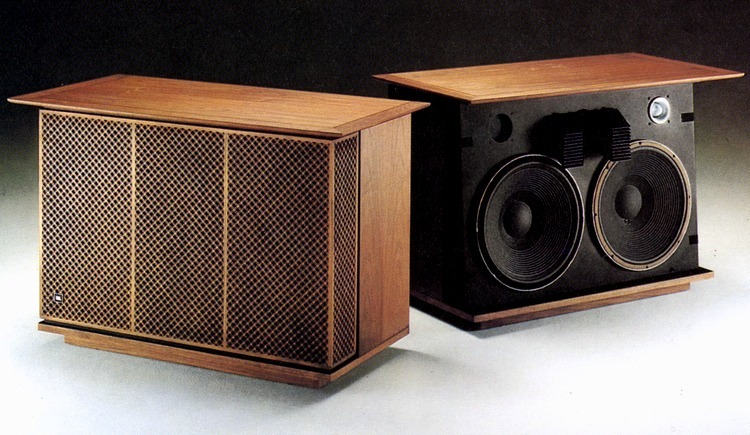
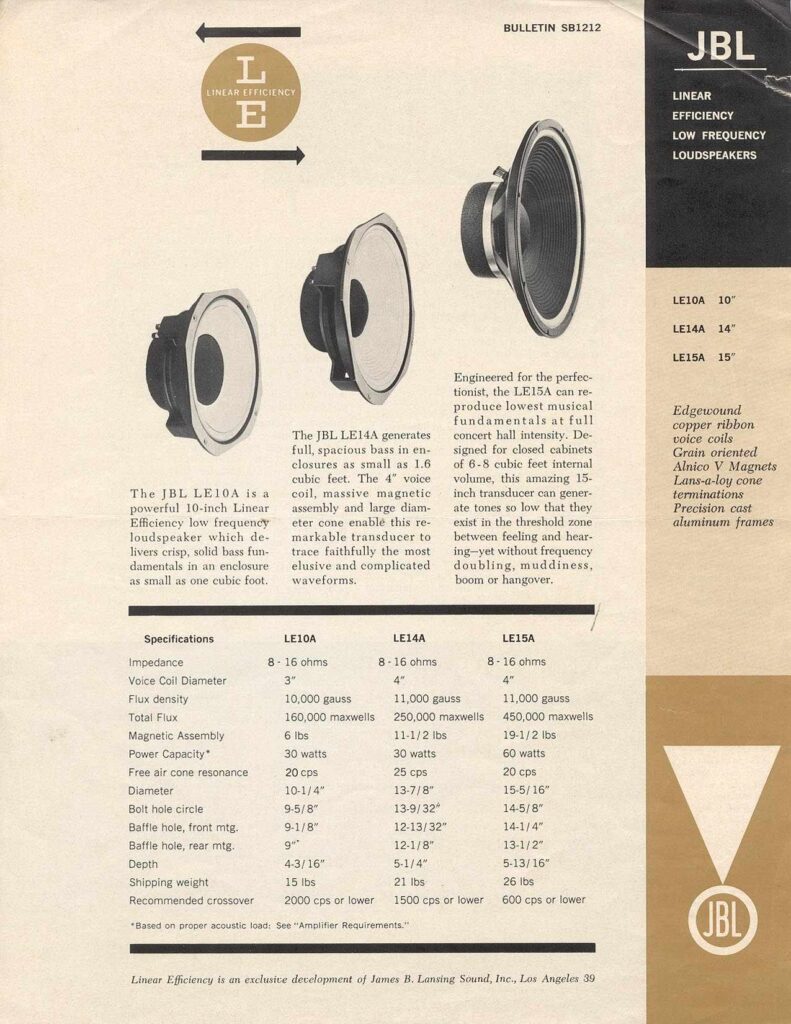
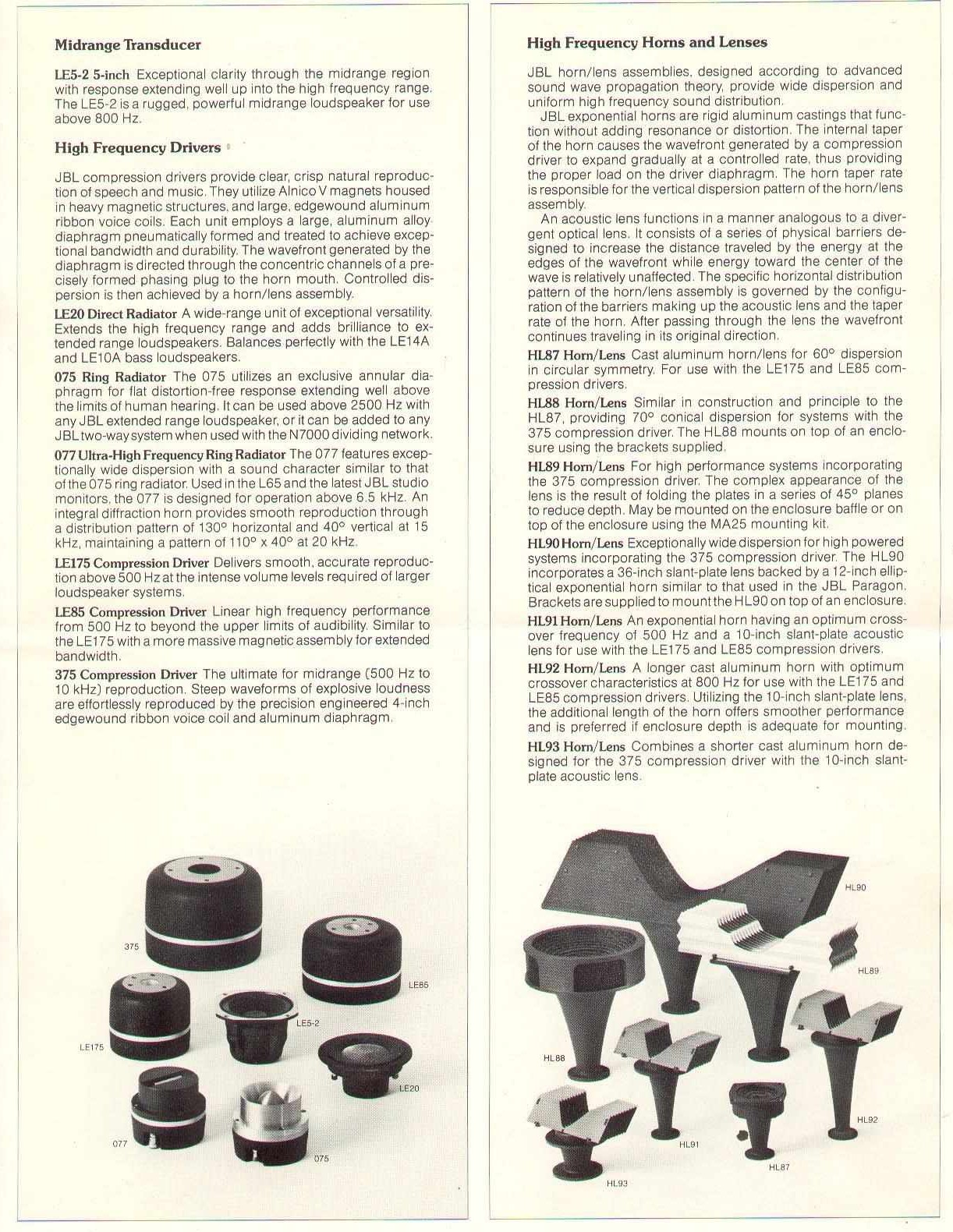
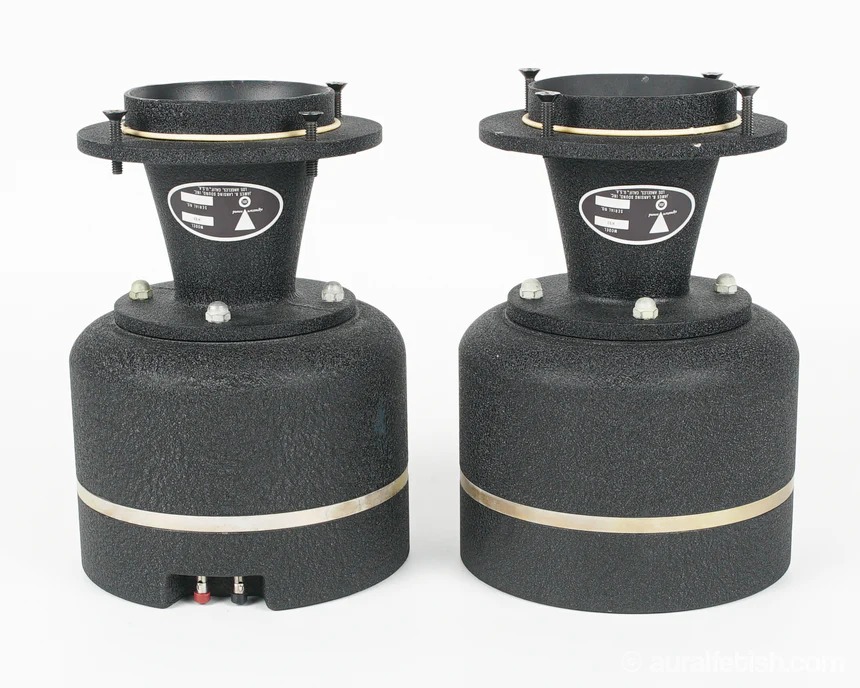
Locanthi was also a pioneer in the transition from vacuum tubes to transistors. In the late 1960s, he developed the “T-Circuit,” an output configuration for solid-state power amplifiers. The T-Circuit addressed early stability issues in transistor designs and effectively became an industry standard for solid-state power amplification.
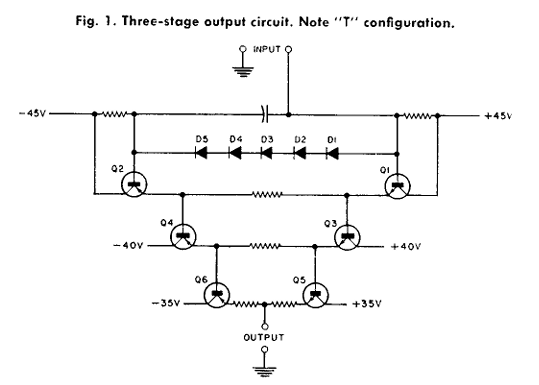
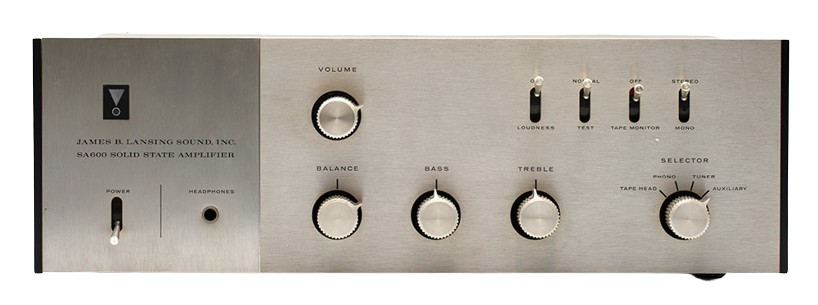
The T-circuit was famously utilized in the JBL SA-600, an amplifier celebrated for its high performance and timeless aesthetic. His pioneering work in transistor amplification earned him three U.S. patents, cementing his role as a foundational figure in modern electronics.
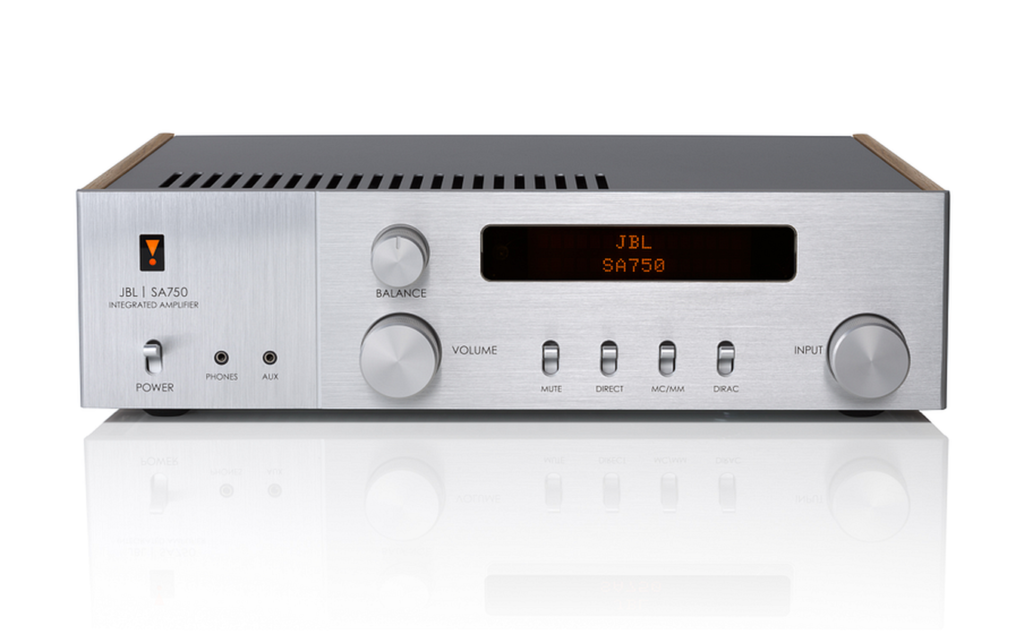
Locanthi’s designs proved so effective that they continue to inspire modern audio engineering. To honor this heritage, JBL recently released the SA750, an integrated amplifier featuring modern streaming capabilities and Class G amplification, but with a retro industrial design and circuitry inspired by Locanthi’s original SA600. JBL also developed a modern version of the L-100 Century loudspeaker, as well as modern versions of other iconic JBL speakers.
Pioneer North America
Following brief tenures at Altec Lansing and Cetec Audio, Bart Locanthi joined Pioneer North America in 1975 as the Vice President of Development. His arrival marked a turning point for the company, as he applied his expertise in high-output, low-distortion design to create products that would bridge the gap between professional studio monitors and consumer high-fidelity speakers.
Pioneer HPM Speakers
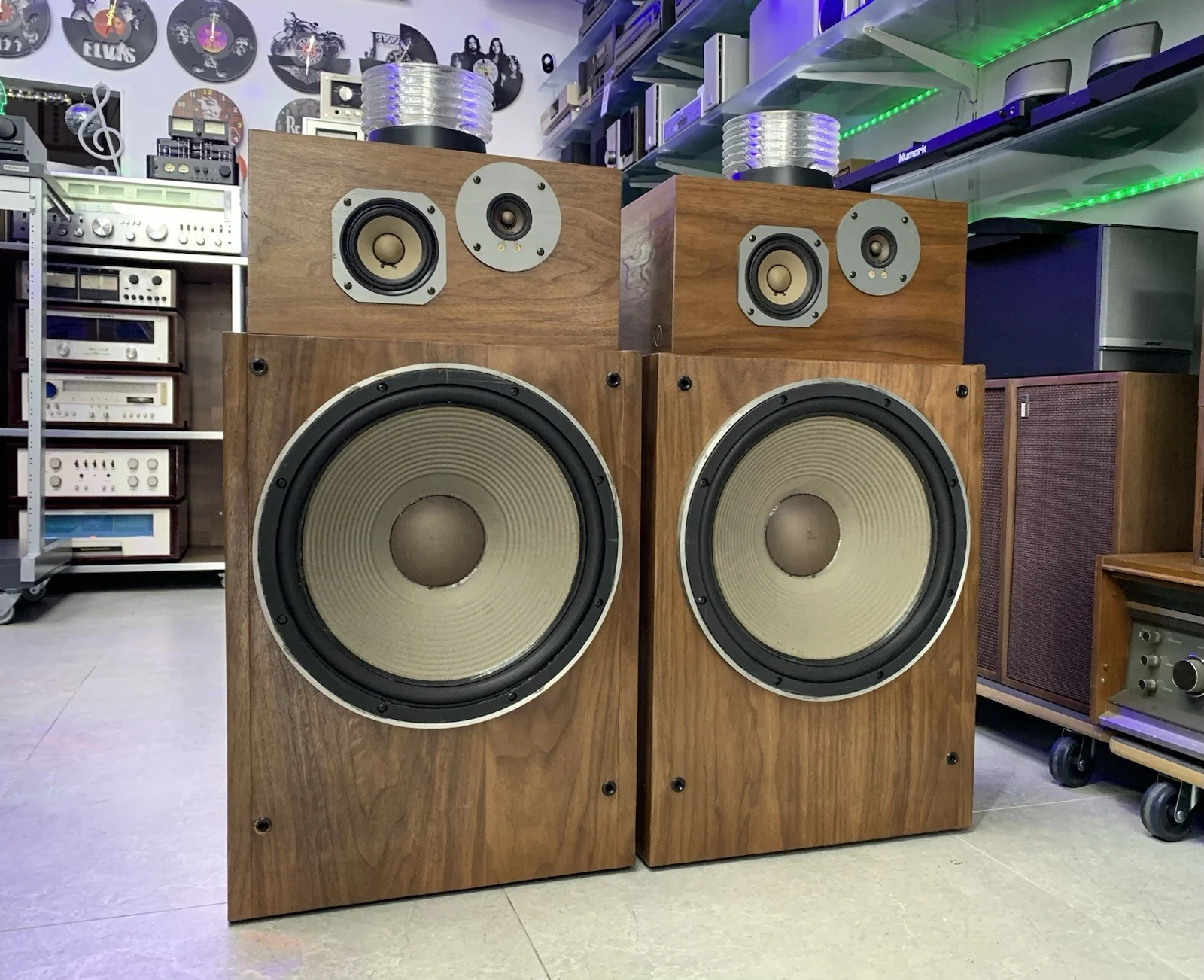
The most significant result of Locanthi’s role at Pioneer was the creation of the “HPM” (High Polymer Molecular) series. These speakers were designed to improve upon existing industry standards by maintaining linear, low-distortion performance across all volume levels.
Often cited as his most acclaimed consumer project, the HPM-100 series was developed to refine and outperform contemporary competitors. It became a staple of 1970s audio culture.
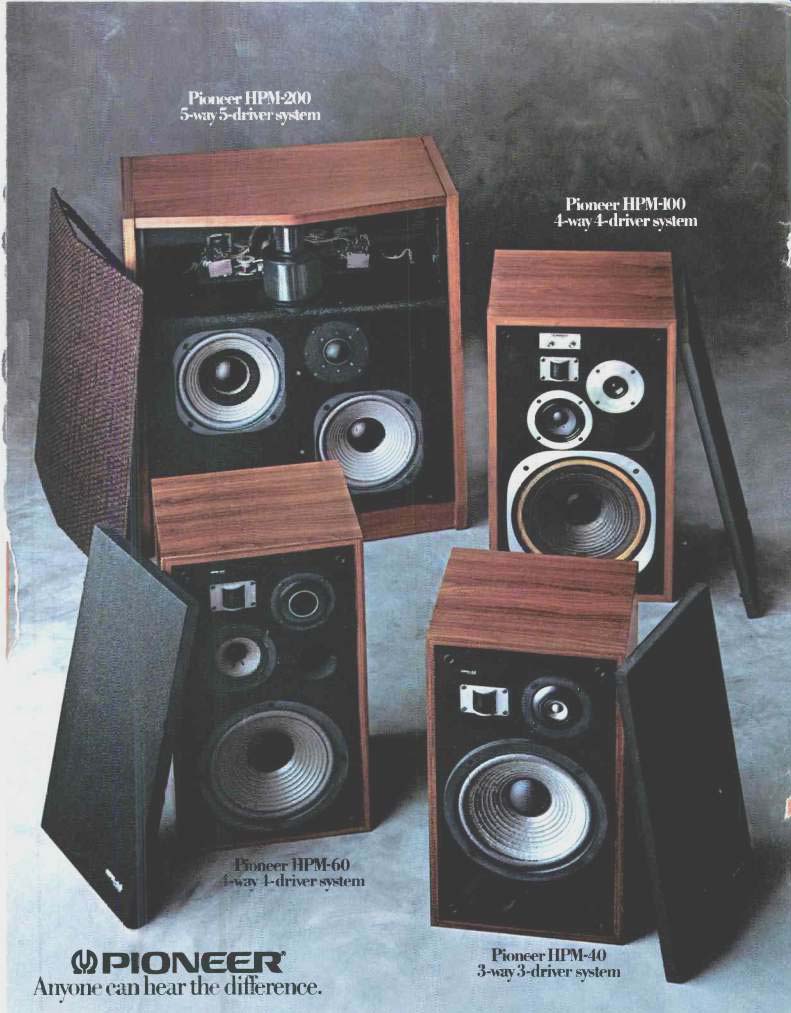
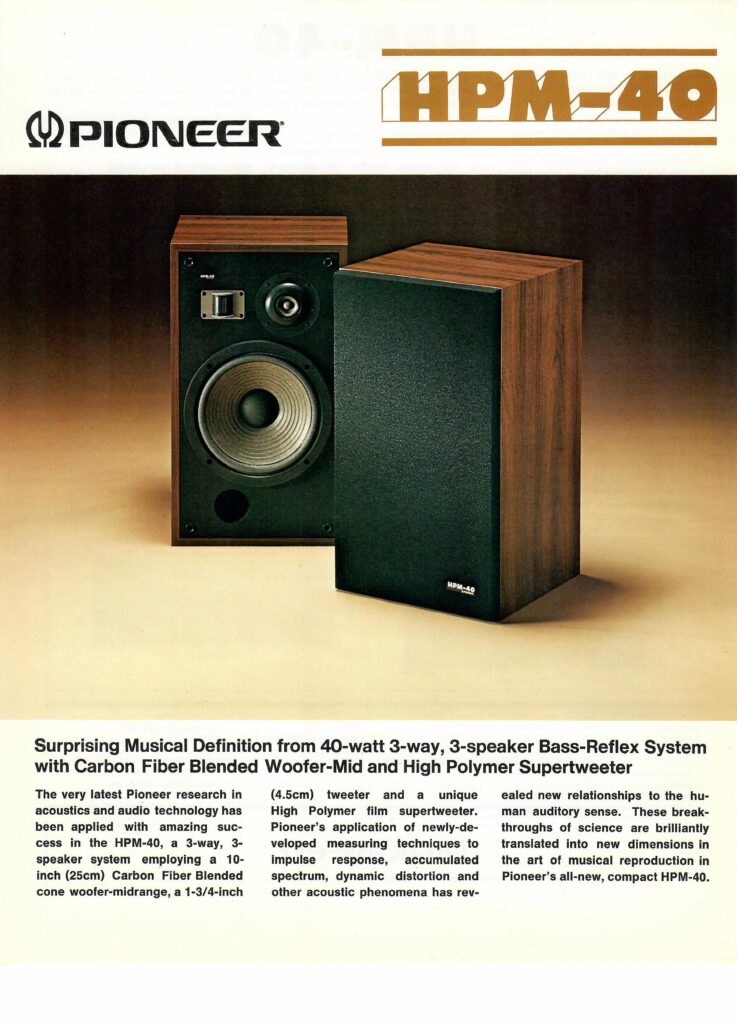
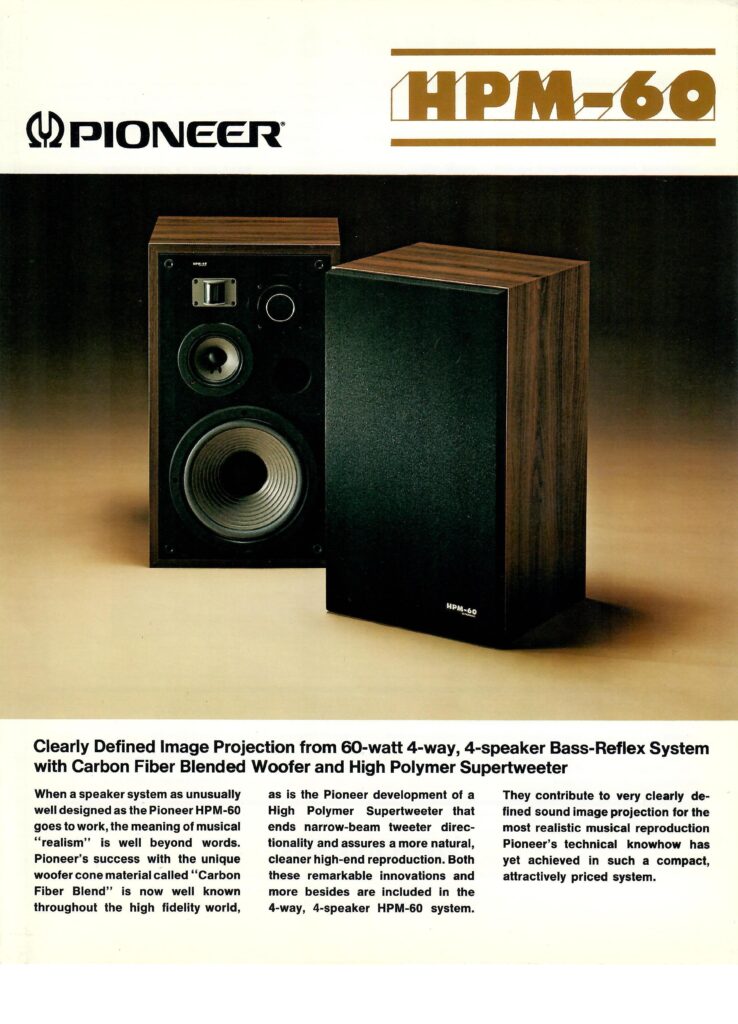
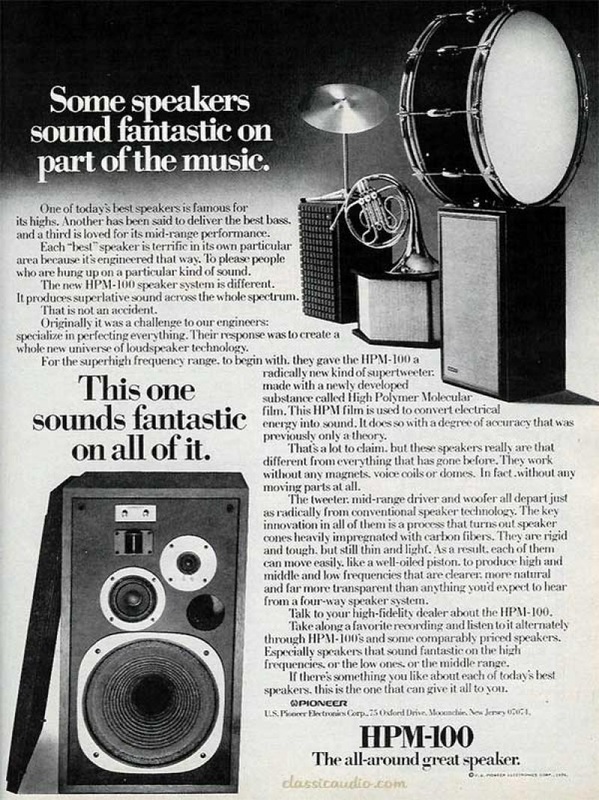
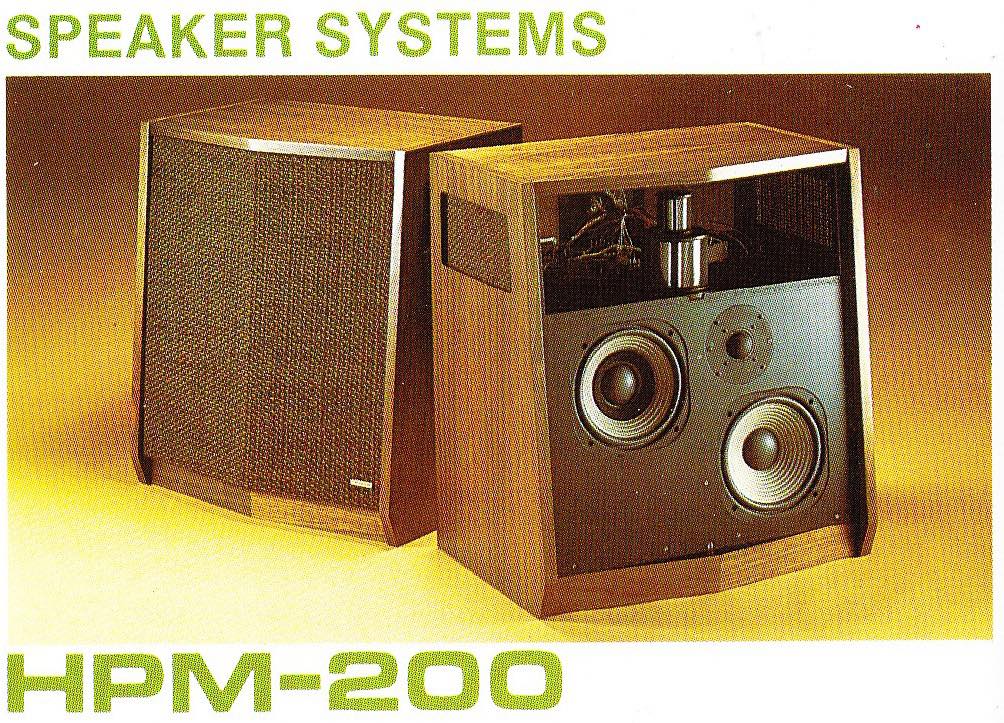
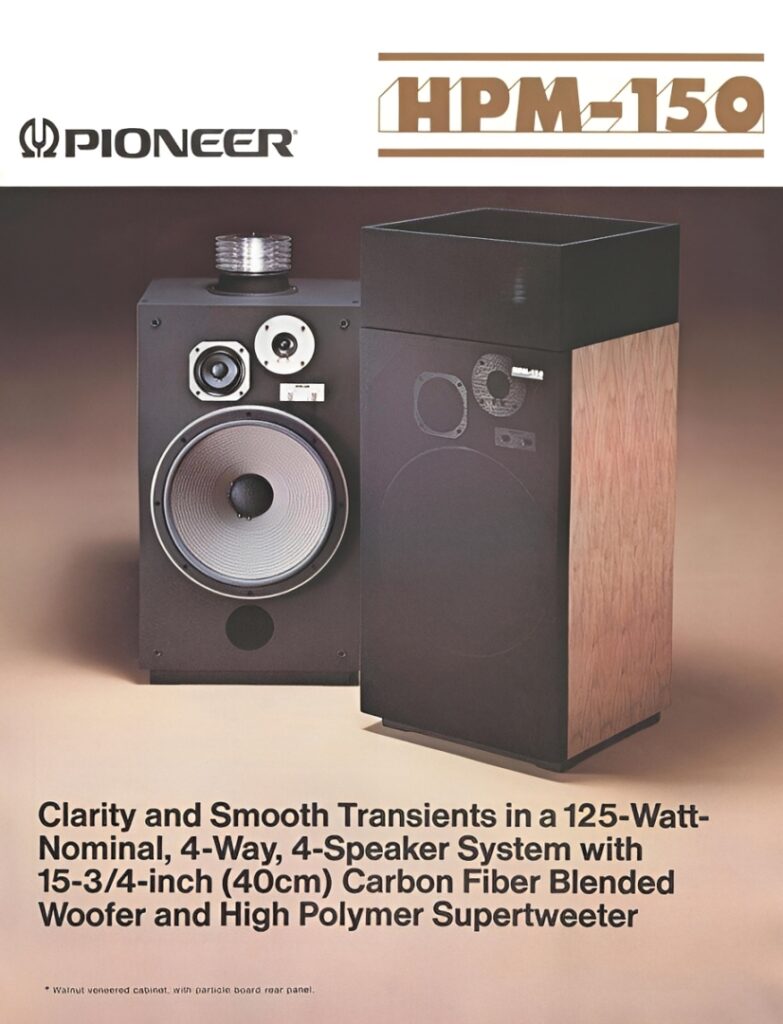
Produced between 1977 and 1979, the HPM-1500 was a high-end, 4-way system specifically designed for overseas distribution (notably via military exchanges). It featured a unique detachable top section to make shipping more manageable for returning service members.
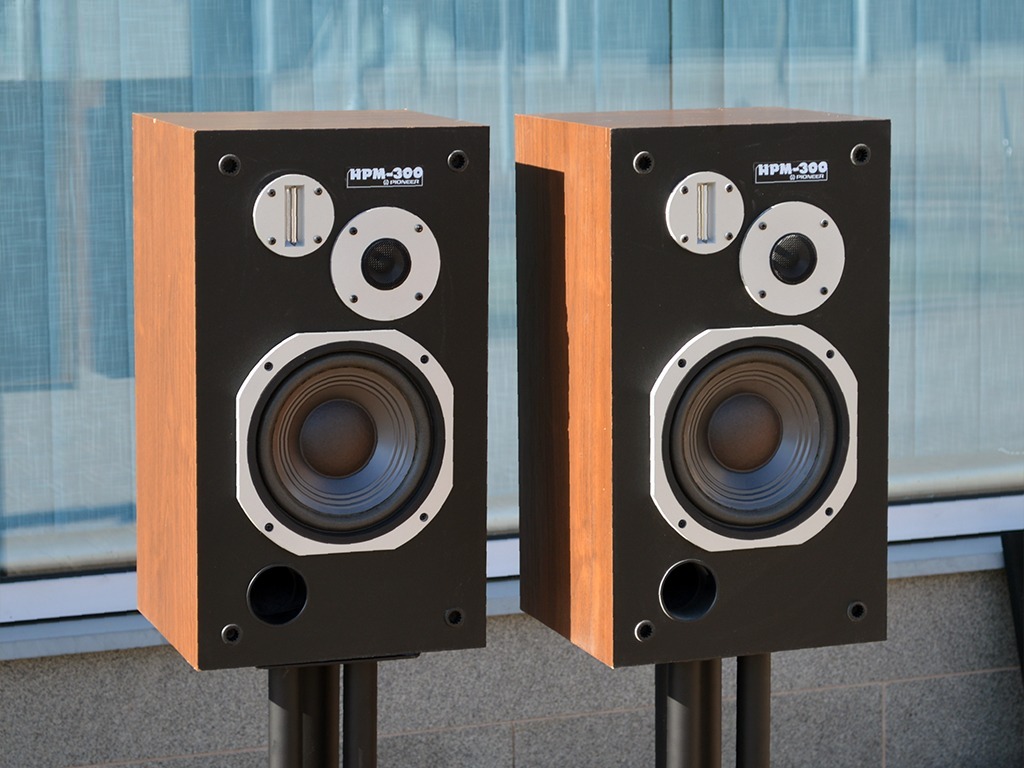
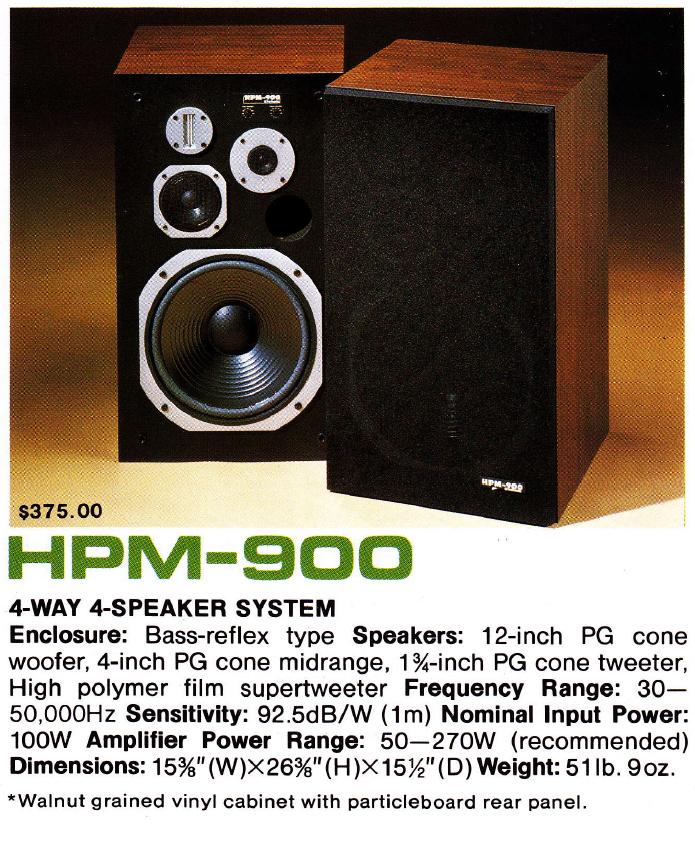
Released in 1980 as the successor to the HPM-100, the HPM-900 introduced polymer-graphite (PG) cones. This material shift provided superior rigidity compared to traditional paper cones, further reducing distortion. The HPM-900 serves as a prime example of the technical precision Locanthi brought to Pioneer.
Technical Audio Devices (TAD) and BNL Research
In the mid-1970s, Pioneer was a leader in the consumer “Silver Era” of high-fidelity audio, but executive Nozomu Matsumoto harboured a loftier goal: to dethrone industry giants Altec Lansing and JBL in the professional studio market. To lead this charge, Pioneer recruited Bart Locanthi, who had previously helped build the very legacies they sought to challenge.
Under Locanthi’s guidance, the TAD project began in 1975 and officially launched as Pioneer’s professional division in 1978. Over his 19-year tenure, Locanthi revolutionized Pioneer’s engineering culture, replacing “trial and error” guesswork with rigorous computer-simulated acoustic modeling.
TAD quickly became synonymous with uncompromising performance through two key breakthroughs:
- Beryllium Diaphragms: Locanthi pioneered the use of this lightweight, rigid, and difficult-to-manufacture metal, achieving unprecedented transparency and high-frequency extension.
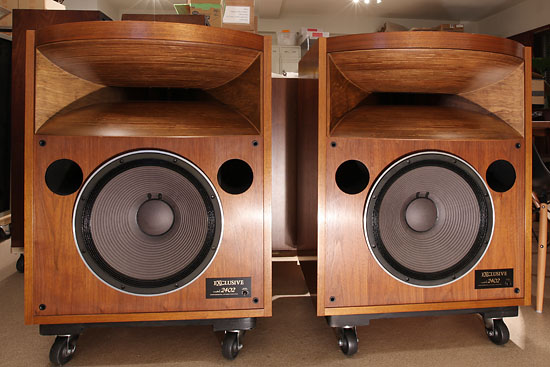
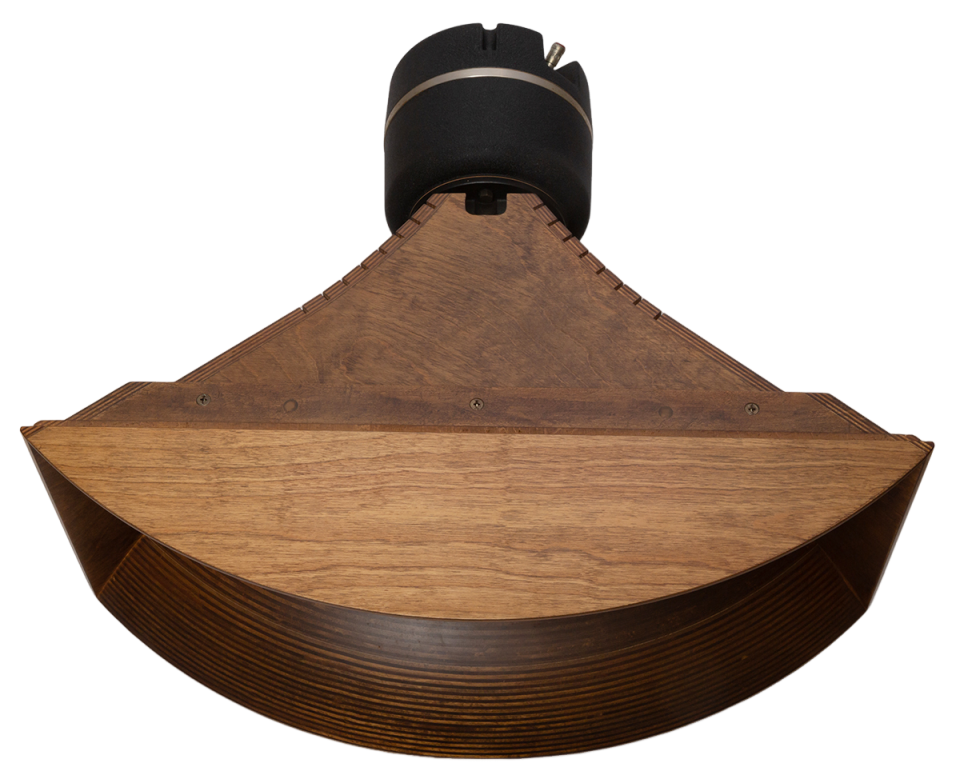
- The TD-4001: This legendary compression driver, born from Locanthi’s computer-aided designs, became a staple in world-class recording facilities
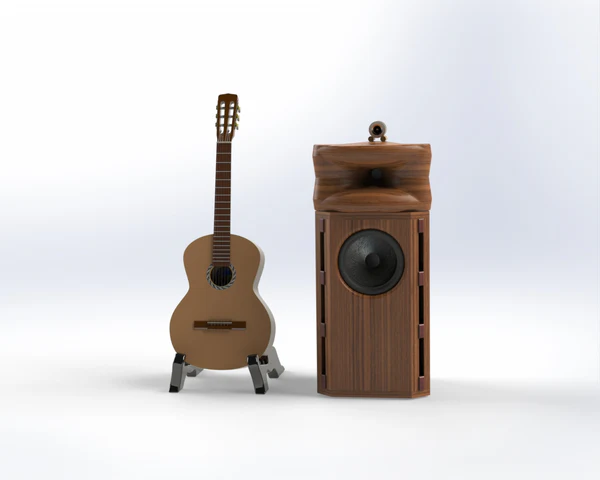
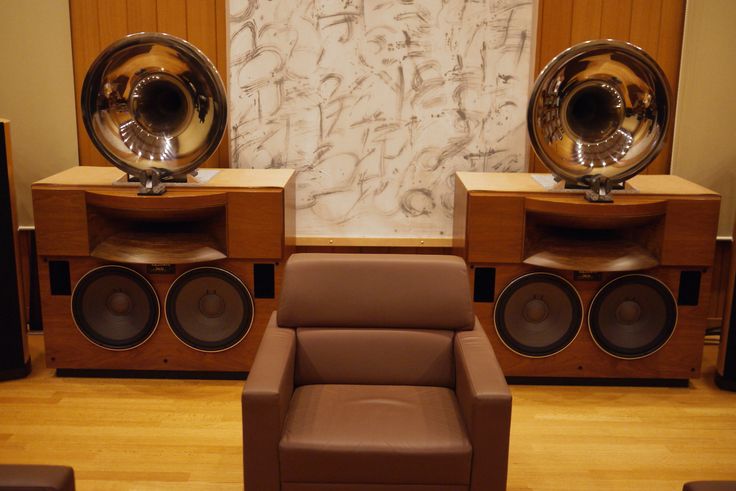
Even after starting his own consultancy “BNL Research Associates” in 1987, Locanthi continued to consult for TAD until his death in 1994, ensuring the brand’s technical trajectory remained precise. For decades, TAD existed as an “if you know, you know” brand for the audio elite. Because they offered no consumer hi-fi systems, audiophiles had to source professional-grade drivers and commission custom cabinets to experience the “TAD sound.” This exclusivity cemented TAD’s status as a legendary name, establishing a philosophy of precision that remains the gold standard for flagship audio reproduction today.

Audio Engineering Society (AES) Leadership
Alongside his careers producing world class speakers, Bart Locanthi had another role in the industry: he was a member of multiple scientific and engineering societies in the world. He held memberships and fellowships in the Institute of Electrical and Electronics Engineers (IEEE), Society of Motion Picture and Television Engineers (SMPTE), and the Audio Engineering Society (AES).
Within the AES, his service was extensive:
- Served as AES President from 1986–1987.
- Board of Governors: Long-time member contributing to the society’s strategic direction.
- Papers Chairman: Managed the technical scholarship and presentations for numerous AES conventions.
As the audio industry transitioned from analog to digital in the late 1970s and early 1980s, Bart Locanthi emerged as a fierce advocate for technical integrity. His deep involvement in digital recording, error control, and reproduction led to his appointment as chairman of the AES Technical Committee on Digital Audio.
During the early years of the Compact Disc, Locanthi earned a formidable reputation as the “digital audio police.” He was known for his uncompromising stance against technical mediocrity, specifically:
- Exposing Shoddy Algorithms: He frequently called out manufacturers and engineers who used inferior digital processing that compromised sound quality.
- Fighting Legislative Impairment: He was a vocal opponent of government-mandated copy-protection schemes (such as the “Copy Code” notch filter) that would have audibly degraded digital recordings.
His work at AES was recognized with two prestigious awards:
- AES Gold Medal: Awarded posthumously in 1996 for a lifetime of excellence in audio engineering.
- AES Fellow: recognized for significant contributions to the field.
Passing of Bart Locanthi
Bart Locanthi passed away in 1994, leaving the world with a legacy of superb Hi-Fi equipment and knowledge.
Bart Locanthi: Induction into the Hi-Fi Hall of Fame
Bart Locanthi enjoyed a long and distinguished career in the world of Hi-Fi. He developed one of the earliest computer modeling methods in the 1960s, and applied this knowledge to create some fantastic speakers.
He created the “T-circuit” architecture which became a foundation for solid state amplifiers for many years.
Many of his designs are iconic; the JBL SA600 was an engineering and aesthetic masterpiece that was reincarnated as the SA750 decades later. Likewise, the JBL L-100 Century speaker is a highly coveted collectible by audiophiles fifty years after it’s introduction, and it was also “brought back” by JBL as the L-100 Classic.
At Pioneer, he created the “HPM” series of speakers, instantly making Pioneer a leader in the Hi-Fi speaker category. These models are also sought after by audiophiles today. He helped Pioneer to launch their new Technical Audio Devices brand, and used his extensive experience at JBL and Altec to develop professional grade drivers for TAD.
Finally, he contributed to the industry with his roles in professional organizations, especially at the AES where he helped to launch Hi-Fi’s digital era.
For all of these reasons, Bart Locanthi is inducted into the Hi-Fi Hall of Fame.