
Hi-Fi Hall of Fame
Technology Inductee
MiniDisc
Introduction
Our next inductee was a pivotal innovation in the transition from analog to digital audio: the MiniDisc.
Developed by Sony as a sleek, high-tech successor to the humble compact cassette, this format offered a unique hybrid of magnetic and optical technology. Encased in a protective shell—strikingly similar to a 3.5-inch floppy disc—the MiniDisc was built for life on the move, offering a portable, recordable, and skip-proof experience that felt like the future.
While it never quite conquered the American mainstream, it enjoyed a successful 20+ year run across Japan and Europe. First introduced in 1992, MiniDisc recorders and media were made by a number of manufacturers. The last MiniDisc recorder was produced in 2013, and the last MiniDisc rolled off the production line in 2025.
With this induction, we honor a format that bridged the gap between the analog past and the digital future: the MiniDisc.

MiniDisc Technology
MiniDisc was a magneto-optical digital audio storage and playback format introduced by Sony in 1992. It was designed as a durable, portable alternative to cassette tapes and as a recordable alternative to Compact Discs.
“Magneto-optical recording” combined laser optics with magnetic writing. The disc contained a magneto-optical layer, and during recording, a laser briefly heated a tiny spot on the disc above its Curie temperature. A magnetic field from the recording head set the polarity of that spot. As it cooled, the magnetic orientation was “locked” in place.
Playback used a lower power laser to detect magnetic orientation via the “Kerr effect” (polarization rotation of reflected light).
The key benefits of the MiniDisc format were:
- Non-contact read/write process meant that there was wear and tear on the “head” or the disc
- High rewrite endurance (up to 1 million cycles)
- Resistance to shock, dust, and fingerprints due to cartridge enclosure
Sony publicly introduced the MiniDisc format in September 1992, debuting a full lineup of compatible hardware and blank media. The launch signaled the company’s commitment to MiniDisc as a consumer recording format rather than a research project.
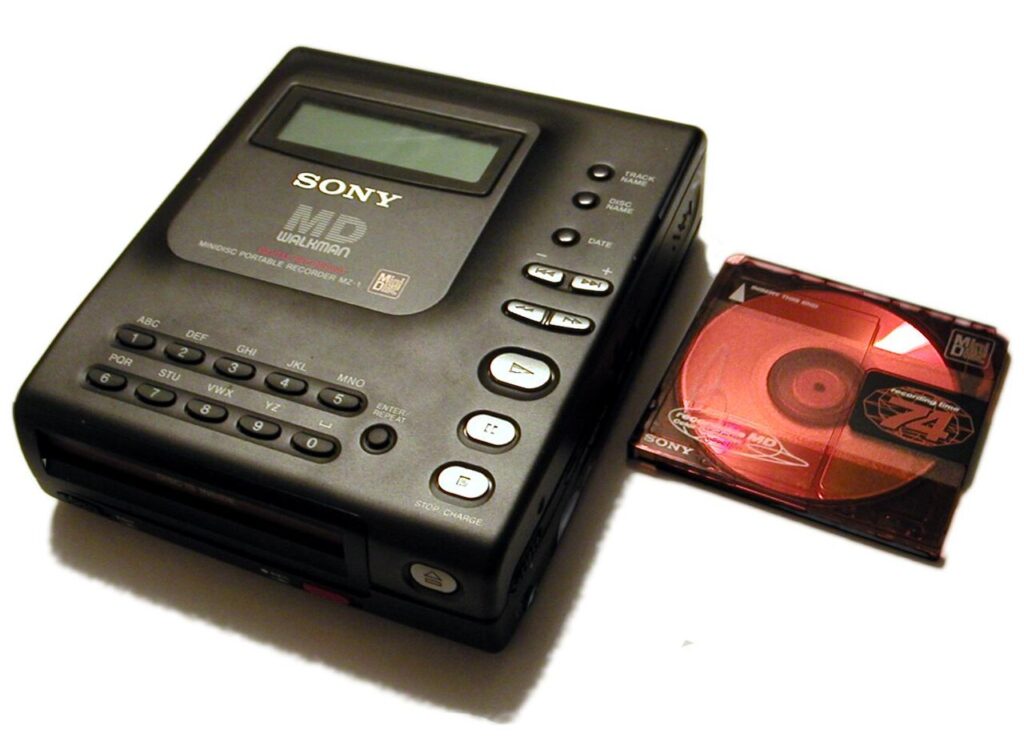
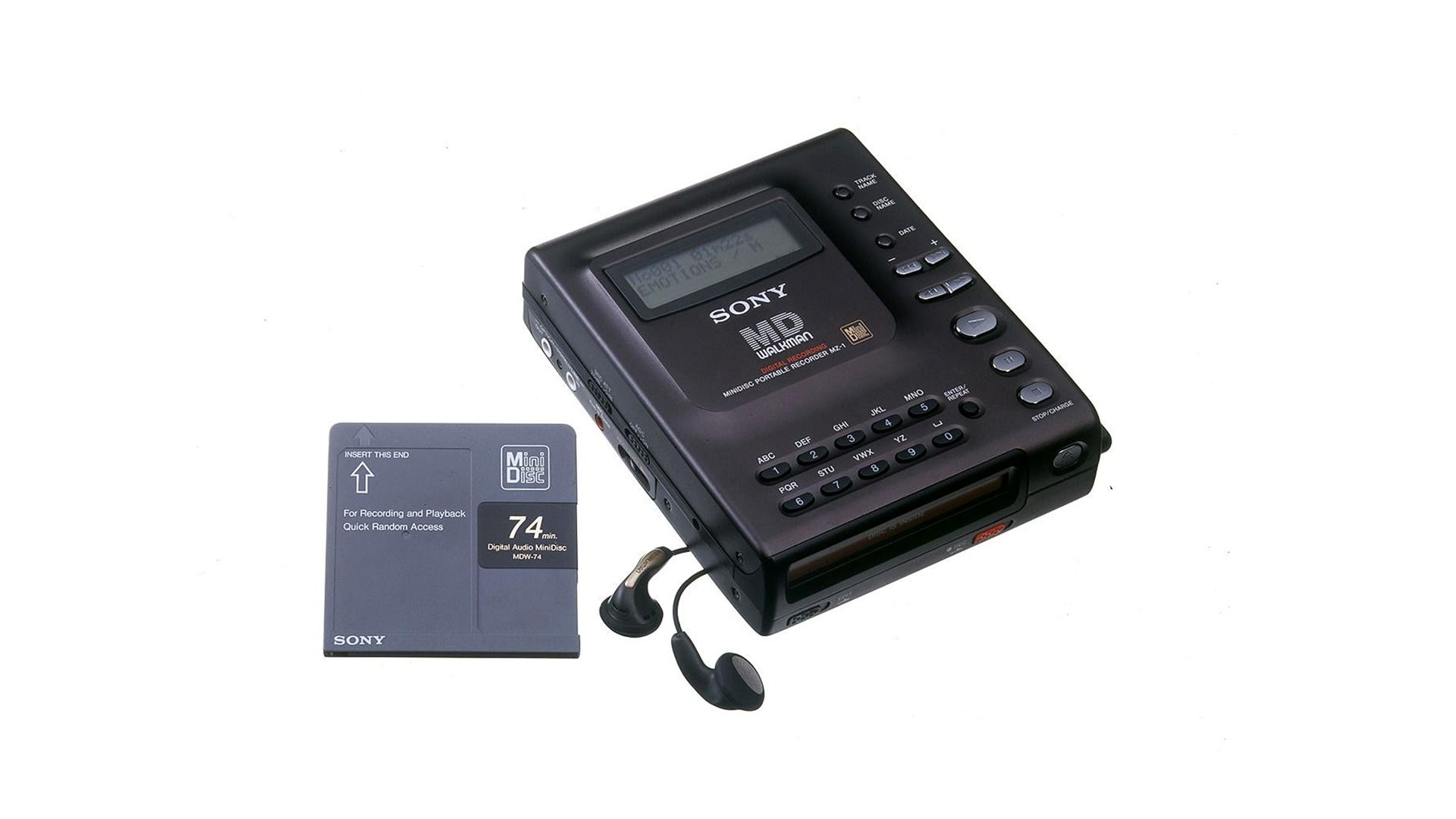
Commercial availability followed in Japan later that year, headlined by the MZ-1 portable recorder and complemented by playback-only players.
MiniDisc Physical Format
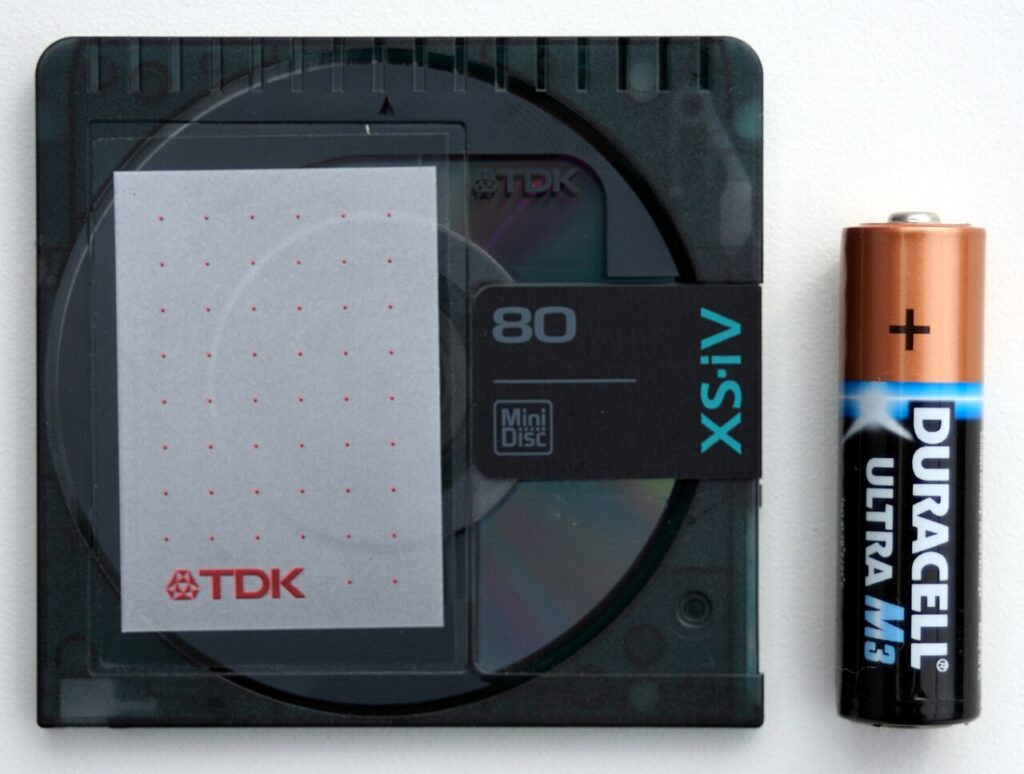
The MiniDisc used a 64 mm diameter optical disc housed within a 68 × 72 mm cartridge. The disc was protected with a sliding metal shutter, which opened when the disc was inserted into the machine, and closed when the disc was ejected.
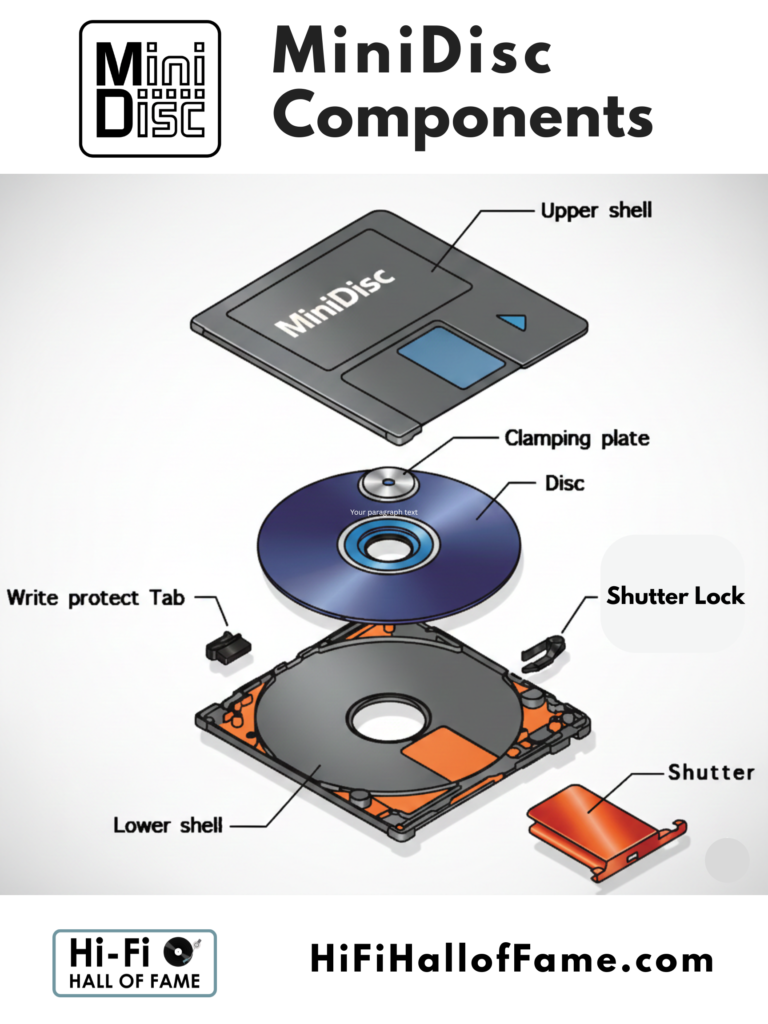
The disc was made from a polycarbonate substrate with a magneto-optical recording layer. There was a reflective layer and a protective coating on the disc itself. There was a magnetic clamping plate to secure the disc to the spindle inside the player, this ensured a tight connection to the motor for accurate speed control. The MiniDisc was quite compact and thin, making it well suited for portable use.
MiniDisc Features
The “standard” MiniDisc could hold about 140 Megabytes of data, which was enough for about 74 minutes of stereo audio. MiniDisc used a computer-like data structure rather than continuous audio tracks:
- Fixed-size sectors (2 KB user data typical)
- Interleaving and error correction
- Random access capability
This data structure allowed some useful features:
- Instant track start
- Editing without rerecording
- Track rearrangement
- Divide and combine operations
Portable players were generally equipped with a memory-based “buffer” containing several seconds of audio, allowing uninterrupted playback if the player was moved or jarred.
ATRAC Compression
To squeeze 74 minutes of audio into a relatively small amount of data space, Sony engineers had to develop an audio compression technology that would compress the audio without degrading the audio quality. The solution was a proprietary Sony codec (coder/decoder) called “ATRAC” (Adaptive TRansform Acoustic Coding).
ATRAC used a technique called “lossy” compression: it removed audio information judged inaudible to human hearing based on masking thresholds. That first generation of ATRAC was able to achieve about a 5-to-1 compression, “shrinking” 1,411 kilobit per second (kbps) data stream down to about 292 kbps. ATRAC did a good job, as many people could not hear the difference between the original and the compressed audio. On the other hand, some audiophiles could hear the difference; the use of “lossy” compression has always been controversial!
Later, Sony introduced newer versions of ATRAC. In 2000, MDLP (MiniDisc Long Play) was introduced, an enhanced MiniDisc recording system that extended recording time by using newer ATRAC codecs at lower bit rates. The audio quality was lower when using the MDLP codec.
It added two main long-play modes to standard MiniDisc:
- LP2 (132 kb/s) which roughly doubled the standard MiniDisc recording time
- LP4 (66 kb/s) which quadrupled recording time
Hi-MD MiniDisc
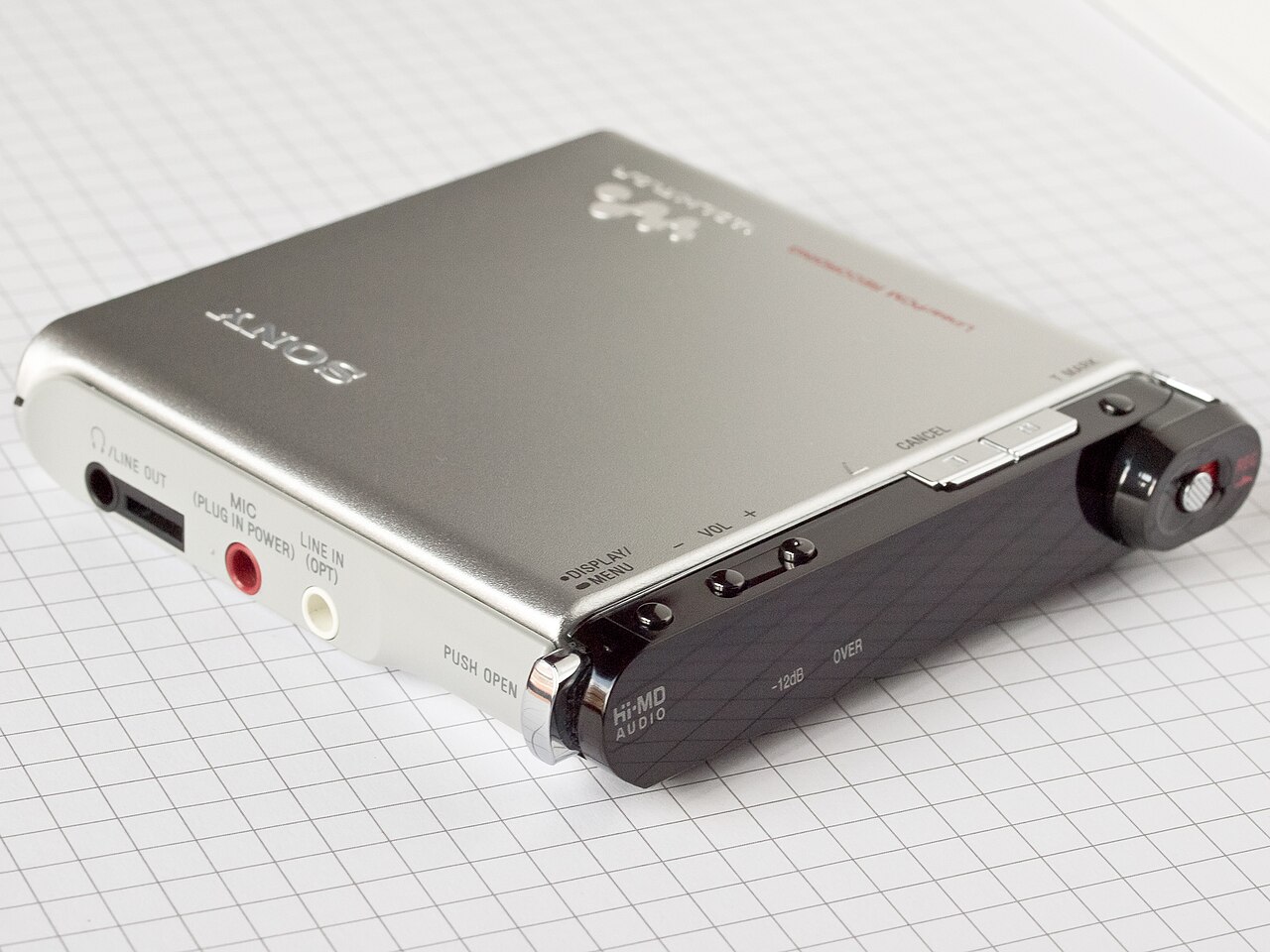
Sony continued to innovate the MiniDisc format to introduce new features and capabilities. Introduced in 2004, the “Hi-MD” version of MiniDisc expanded the format into a data/audio hybrid with much greater capacity.
- 1 GB disc capacity
- PCM linear recording (uncompressed “lossless” audio)
- ATRAC3 coding up at data rates up to 256 kbps
- allowed the use of MiniDisc with a USB-like interface
- File-based recording
Hi-MD arrived in 2004 as the format’s most ambitious revision. Hi-MD essentially turned MiniDisc into a removable hard-disk-like audio recorder.
Unfortunately, by the time MiniDisc reached this level of technical maturity, there were many alternatives to MiniDisc available, and the market was changing faster than the format could adapt. Hi-MD would be that last major update to the MiniDisc format.
MiniDisc Products
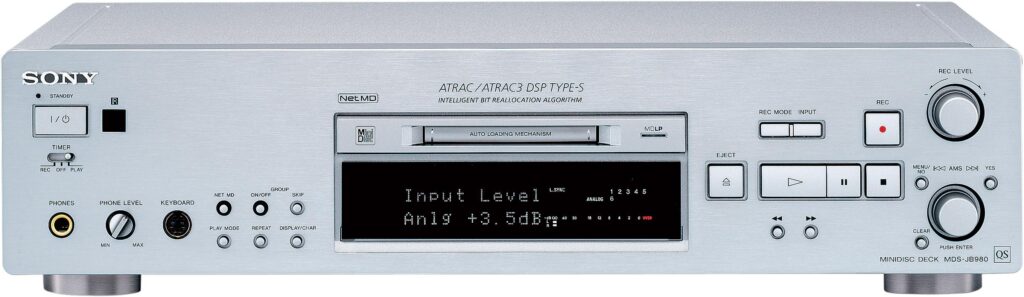
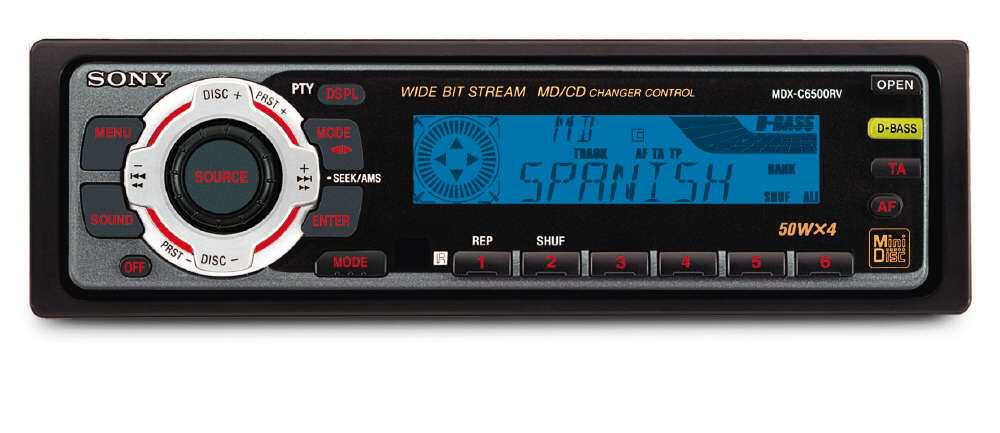
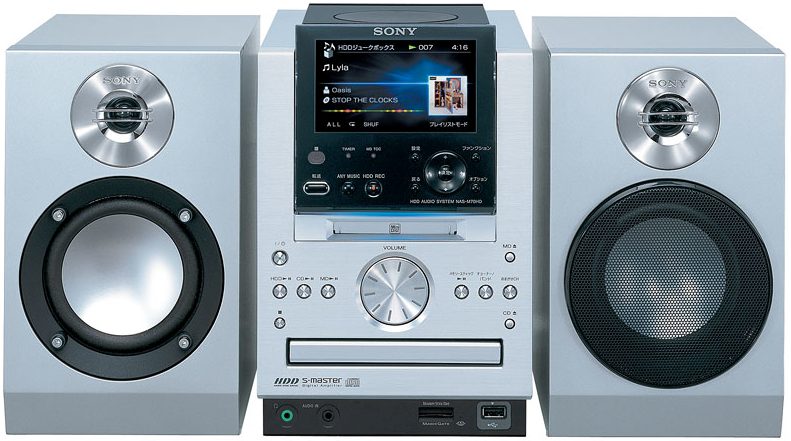
Let’s take a look at some of the great MiniDisc products that were produced. The MiniDisc format was developed by Sony but many well known Hi-Fi makers produced a spectacular range of the recorders, players.
Sharp, Panasonic/Technics, Pioneer, Kenwood, Aiwa, and many others produced a wide range of MiniDisc equipment. There were products at all price points, from humble “bookshelf” systems to high end decks. There were also portable “Walkman” style players and players for cars. Professional machines for radio stations and recording studios
Here’s just a small sample of MiniDisc products.
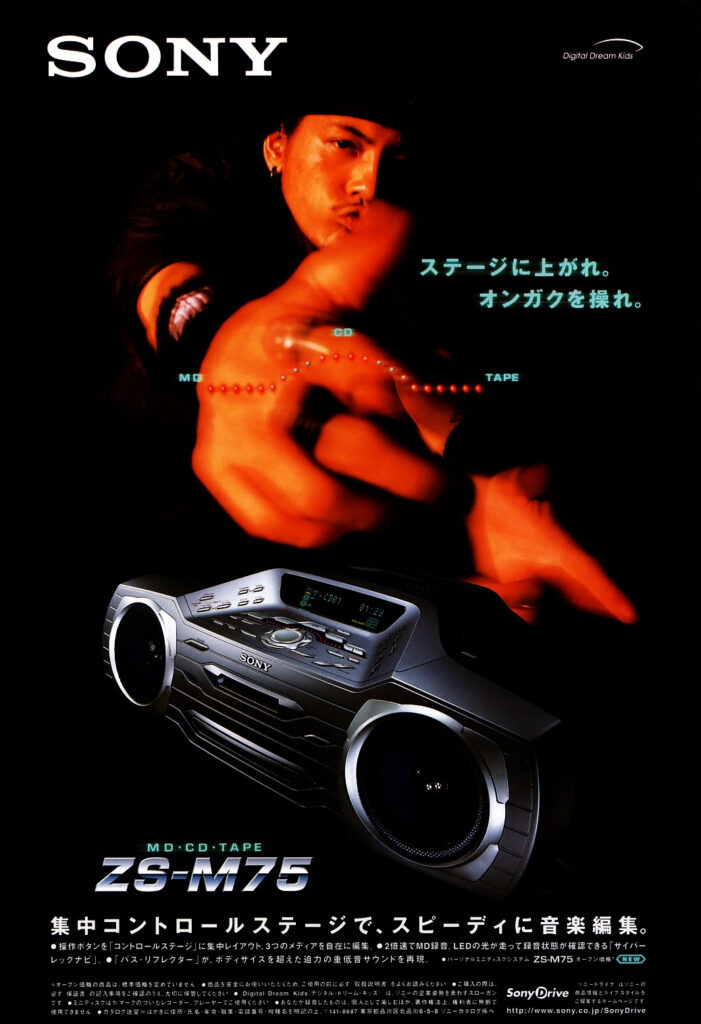
Sony
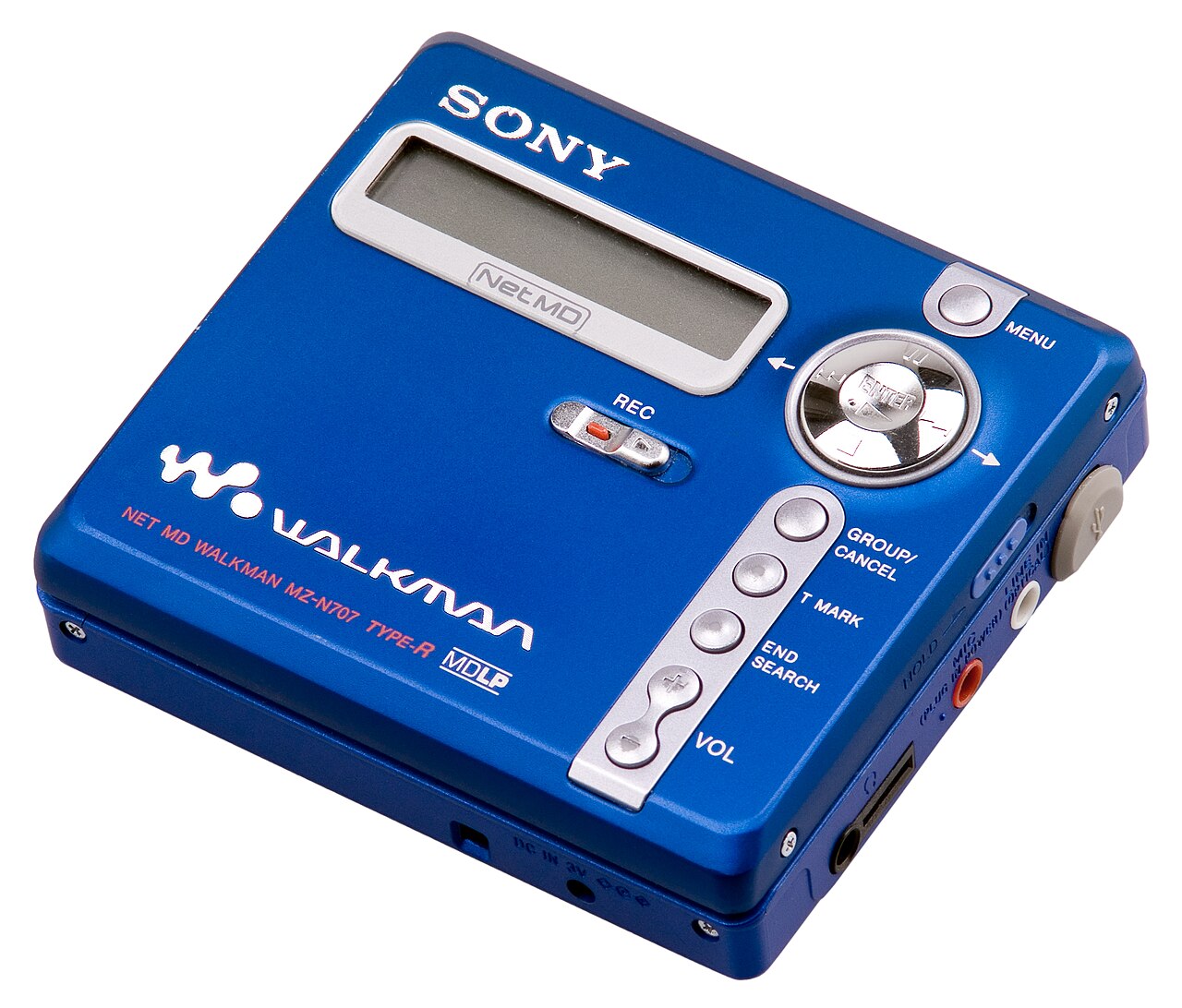
As the inventor of the MiniDisc format, Sony produced a wide range of MiniDisc recorders and players.
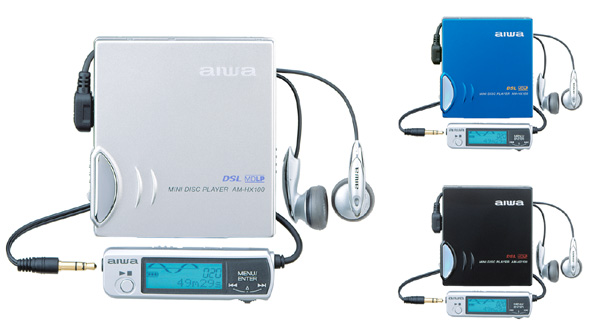
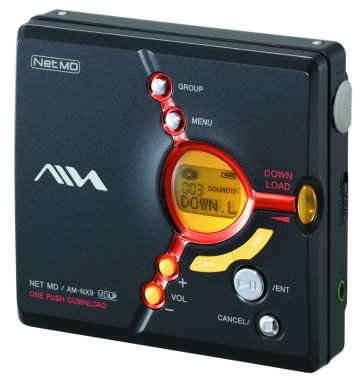
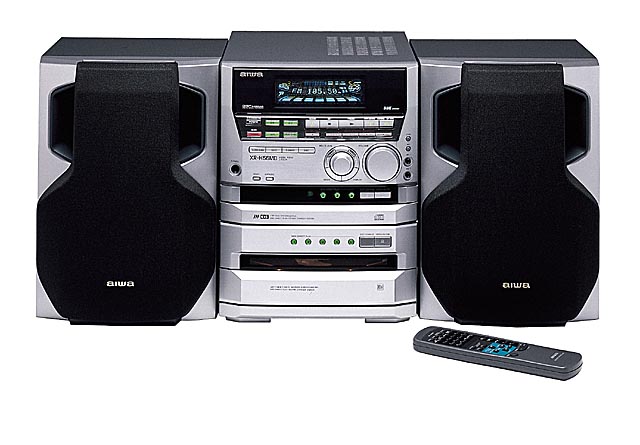
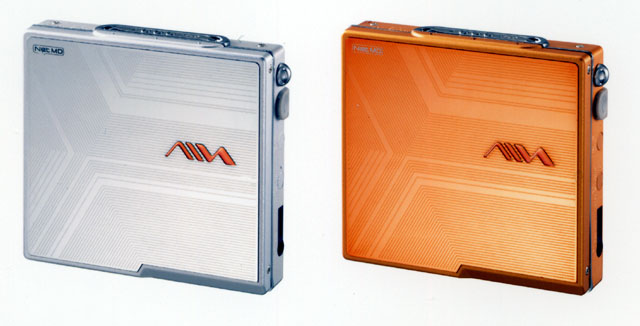
Aiwa
Aiwa’s MiniDisc range offered stylish, affordable alternatives to Sony’s Walkman, featuring unique designs, bass boost, and later, rebranded Sony internals with quirky, buttonless aluminum chassis.
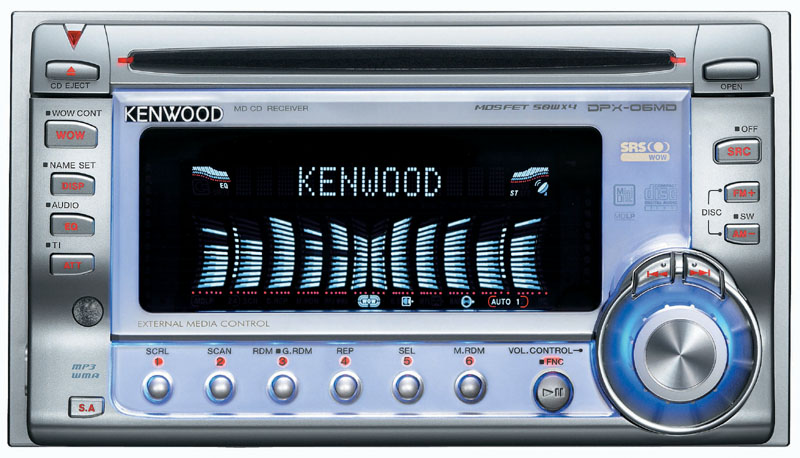
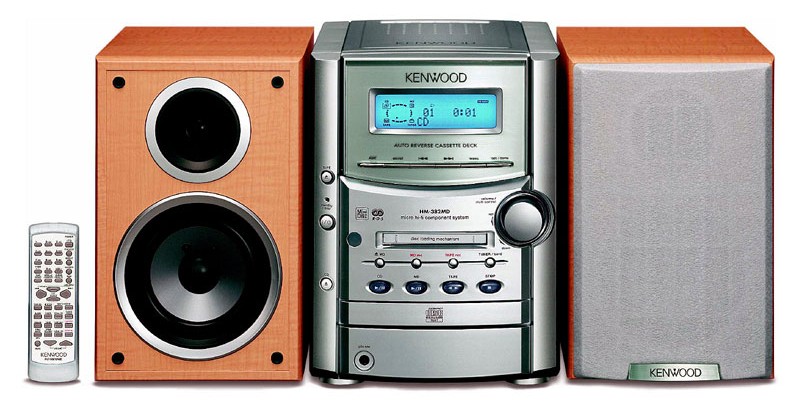
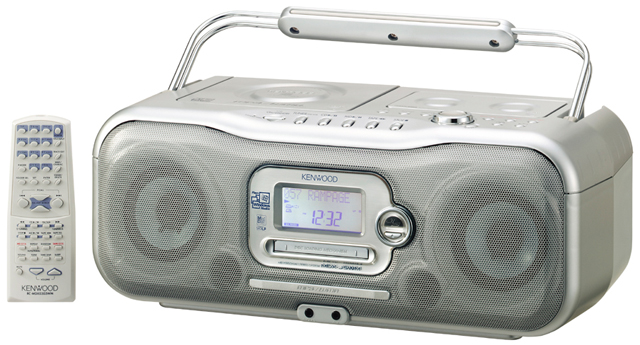
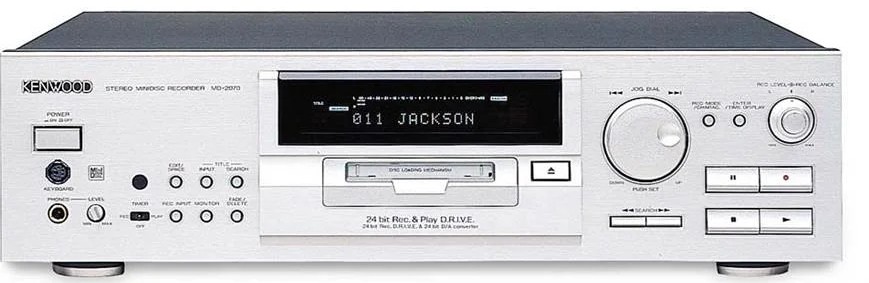
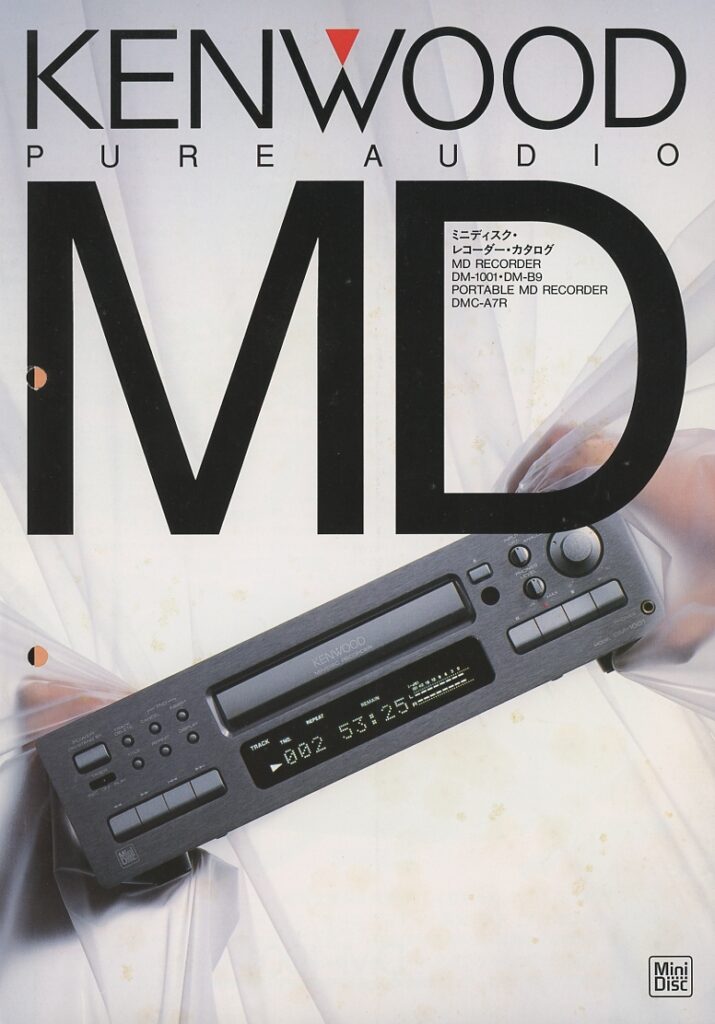
Kenwood
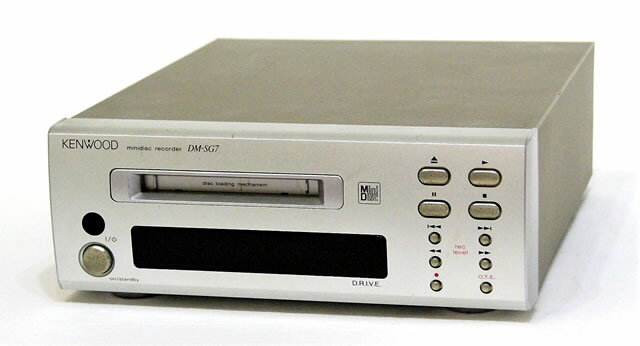
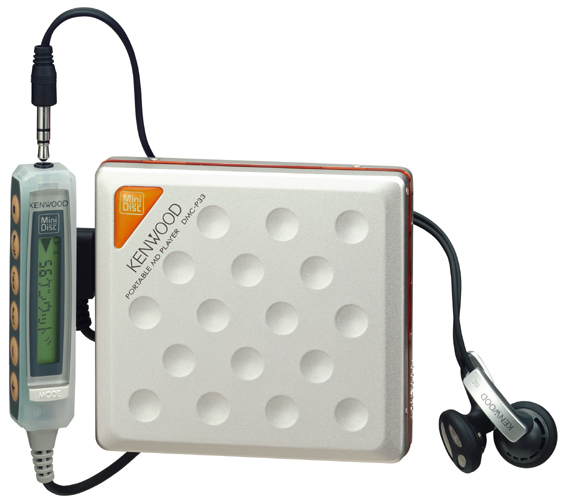
Kenwood’s MiniDisc lineup was known for bold aesthetics and high-end audio tech, often using Sharp’s internals.
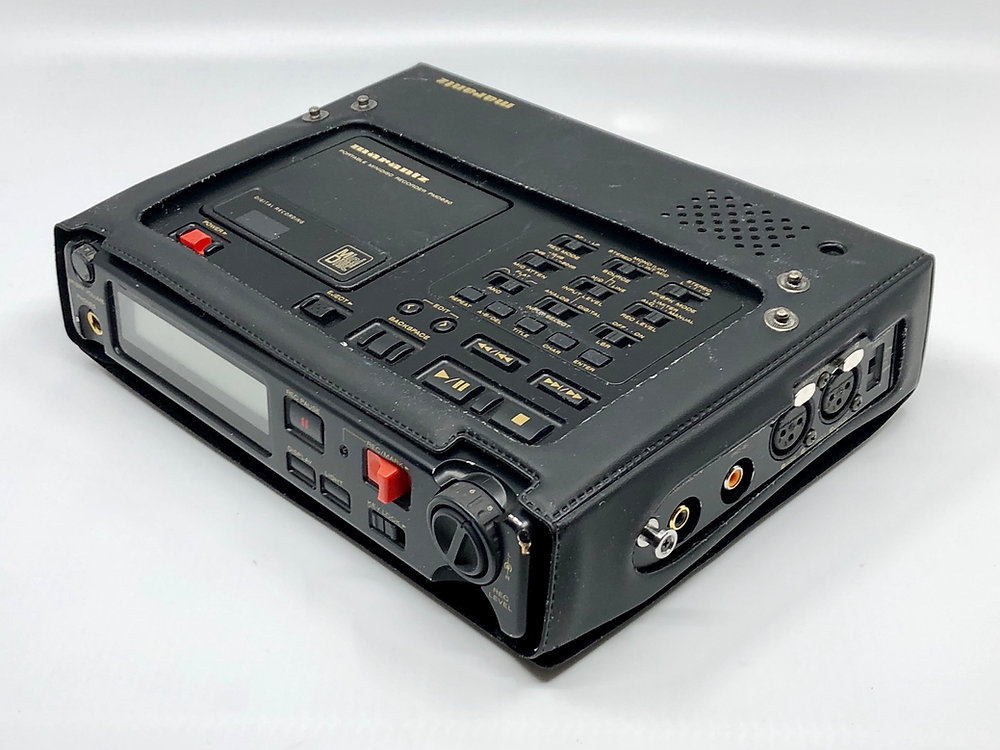
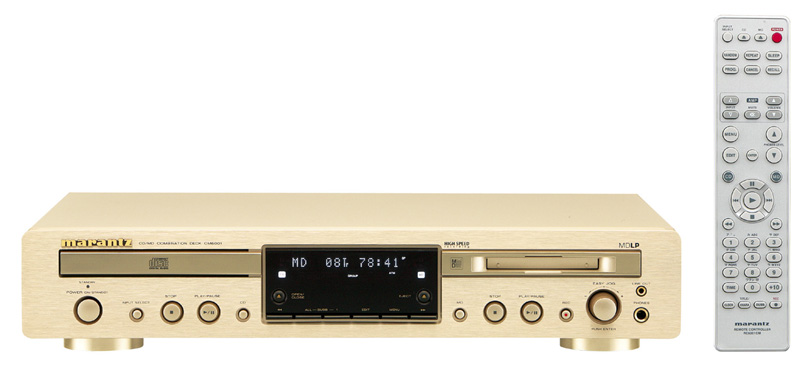
Marantz
Marantz produced a few MiniDisc devices for the professional and audiophile markets.
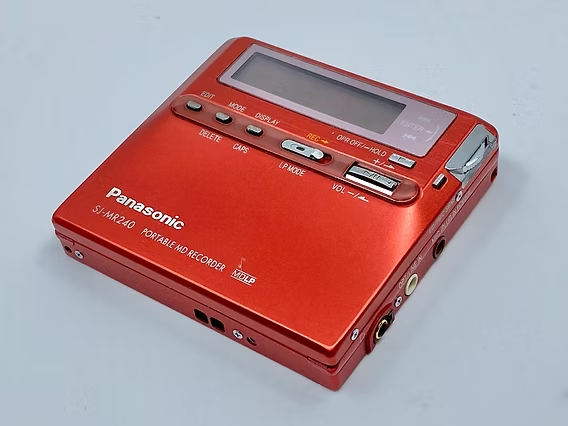
Panasonic and Technics
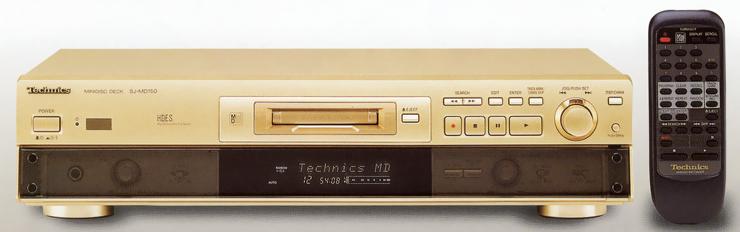
Panasonic and Technics (both brands of Matsushita) split the market: Panasonic dominated the ultra-slim portable scene, while Technics focused on high-fidelity home decks.
Pioneer
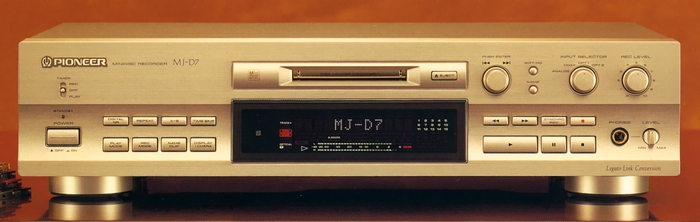
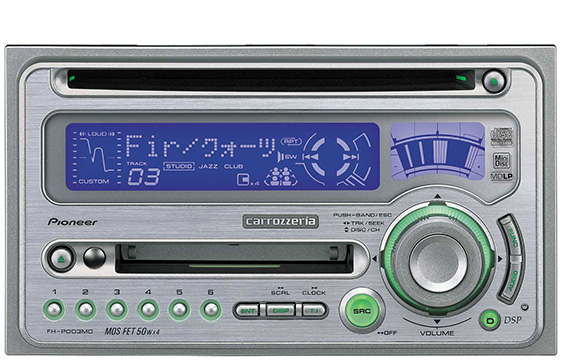
Pioneer carved out a niche as the audiophile’s choice, focusing heavily on high-end home decks and “over-engineered” car audio tech rather than just portability.
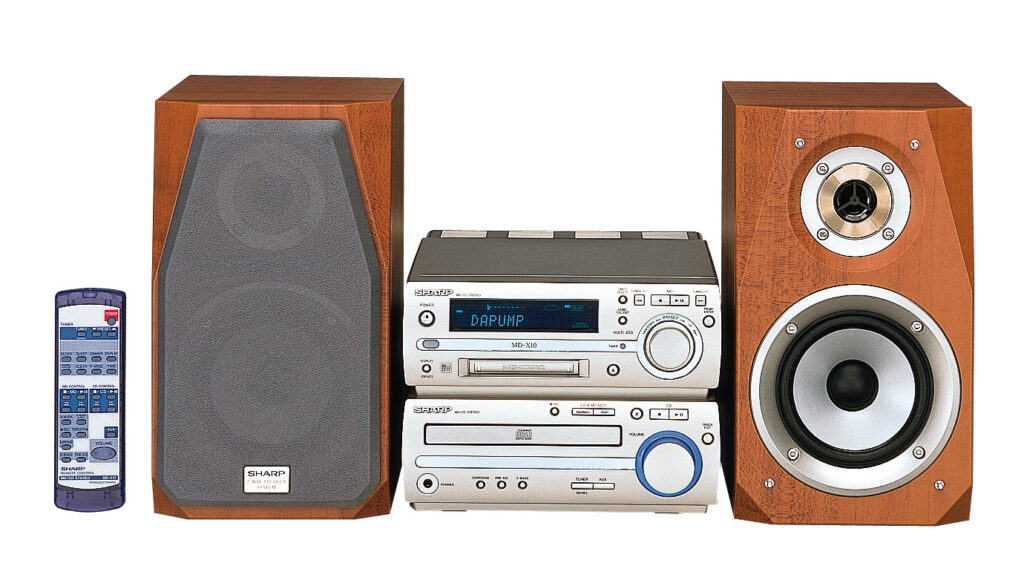
Sharp
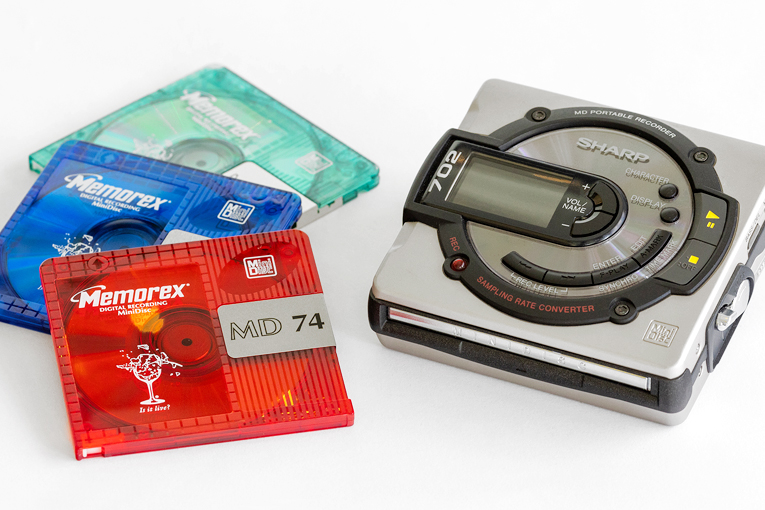
Sharp was Sony’s biggest rival in the MiniDisc space, often leading the way with innovative mechanical designs and high-end audio tech that many fans believe outperformed the original Sony devices.
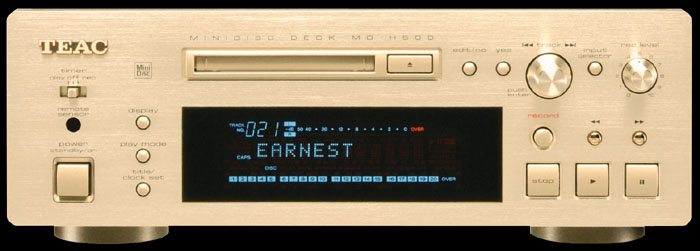
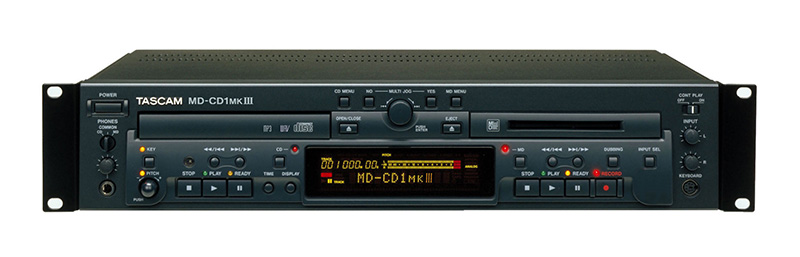
TEAC / TASCAM
Teac and Tascam (the professional division of Teac) were the “adults in the room” for MiniDisc, focusing almost entirely on pro-grade rackmount gear and high-end home hi-fi components rather than portable players.
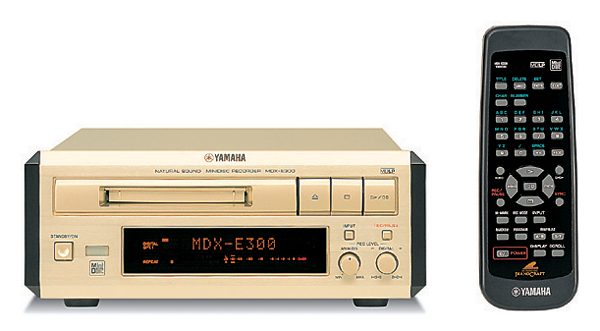
Yamaha
For the living room, Yamaha applied their “Natural Sound” engineering to MiniDisc decks, making them some of the most respected by audiophiles.
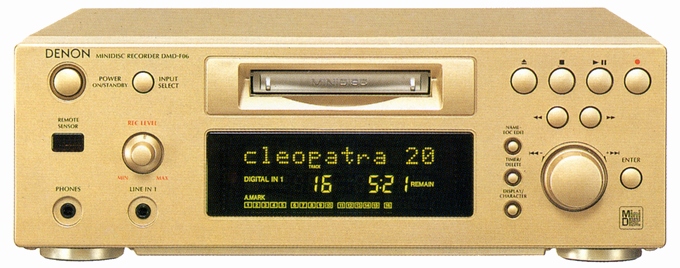
Denon
Denon treated MiniDisc with the same reverence as their high-end CD players, focusing on superior digital-to-analog conversion and robust components for serious Hi-Fi enthusiasts.
Recordable MiniDiscs
Many manufacturers produced recordable MiniDiscs, but the biggest names were the same companies that produced cassette tapes and other recordable media: TDK, Maxell, Fuji, BASF, and of course Sony. Here are a few of the recordable MiniDiscs produced over the years.
TDK
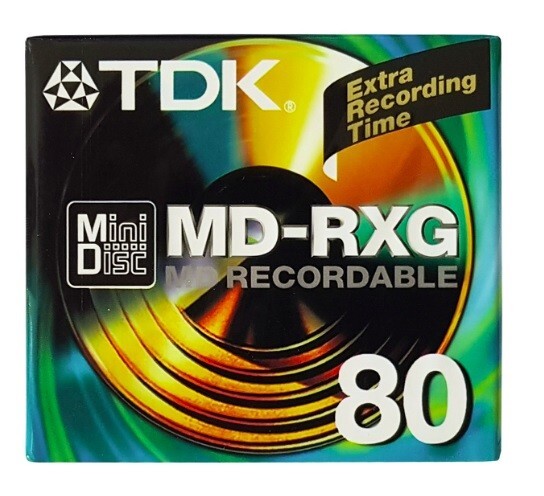
Widely considered Sony’s biggest rival in media quality. Their “MusicJack” and “XA Pro” lines are still legendary among collectors.
Maxell
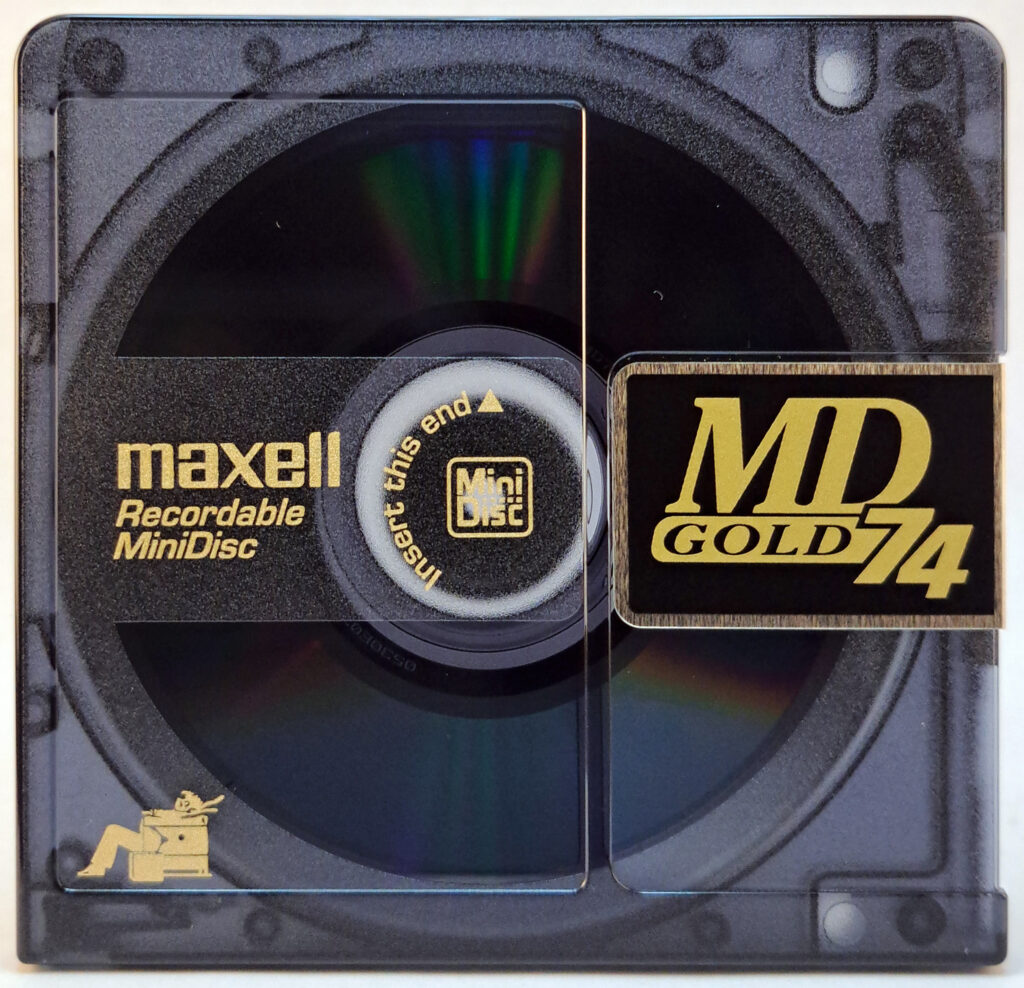
Known for their “XL-II” and “Gold” series. Maxell was a dominant force in the European and North American markets.
Fuji / Axia
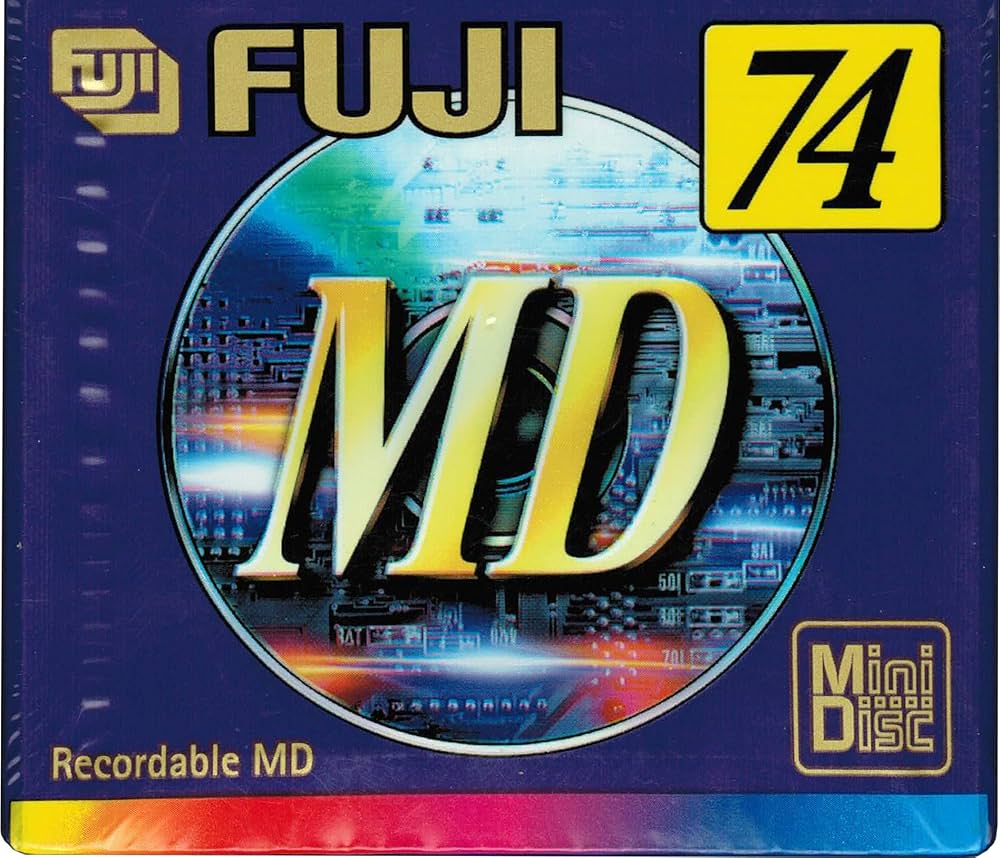
Fuji (often branded as Axia in Japan) was famous for its vibrant, youth-oriented designs and the popular “J’z” series.
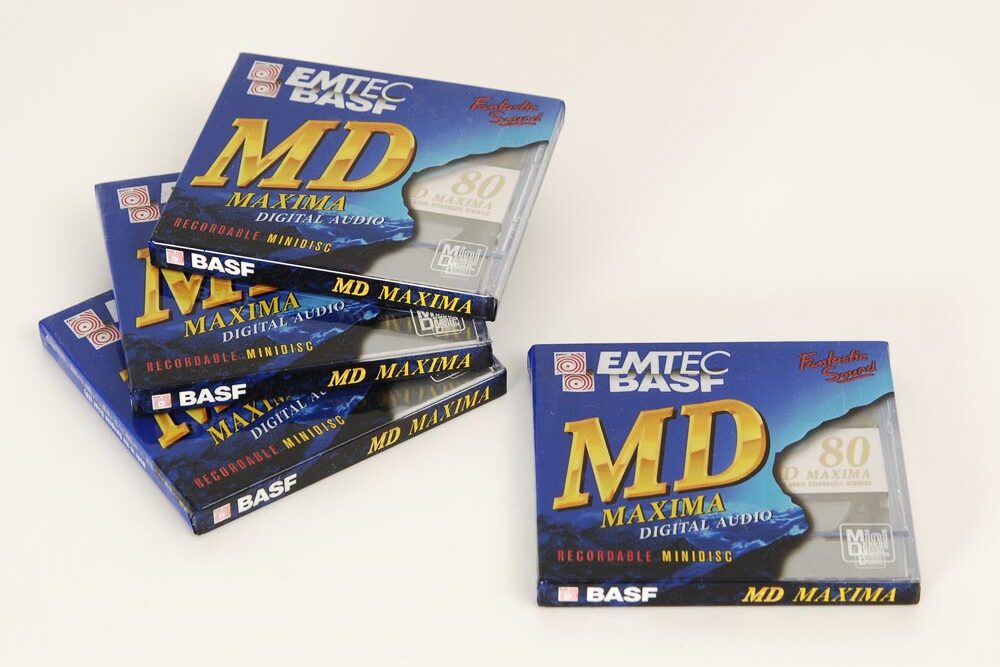
BASF / EMTEC
BASF/EMTEC MiniDiscs were renowned for their high-quality Japanese-made shells, vibrant colors (like the Maxima series), and reliable magnetic layers, offering premium digital recording and durability.
Sony
As the inventor of MiniDisc, Sony was the market leader in recordable discs. They produced dozens of lines, from the budget-friendly “Neige” and “Color Collection” to the high-end “ES” (Elevated Standard) series.
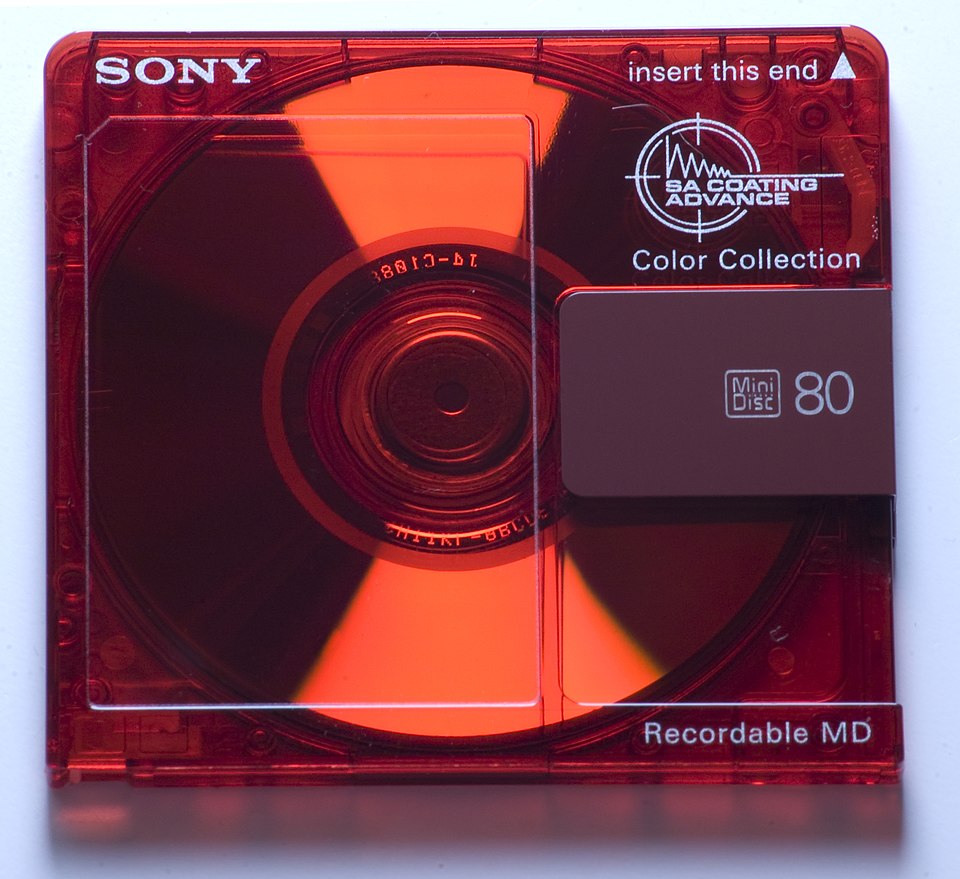
Sony kept making recordable MiniDiscs for many years, even after they stopped producing MiniDisc recorders in 2013. They continued to produce a single model of blank disc—the MDW80T—specifically for the Japanese market, where a dedicated user base (and some government/medical sectors) still relied on them. In early 2025, Sony officially announces the end of all recordable optical media production, including blank MiniDiscs, recordable Blu-rays, and MiniDV tapes.
Prerecorded MiniDisc
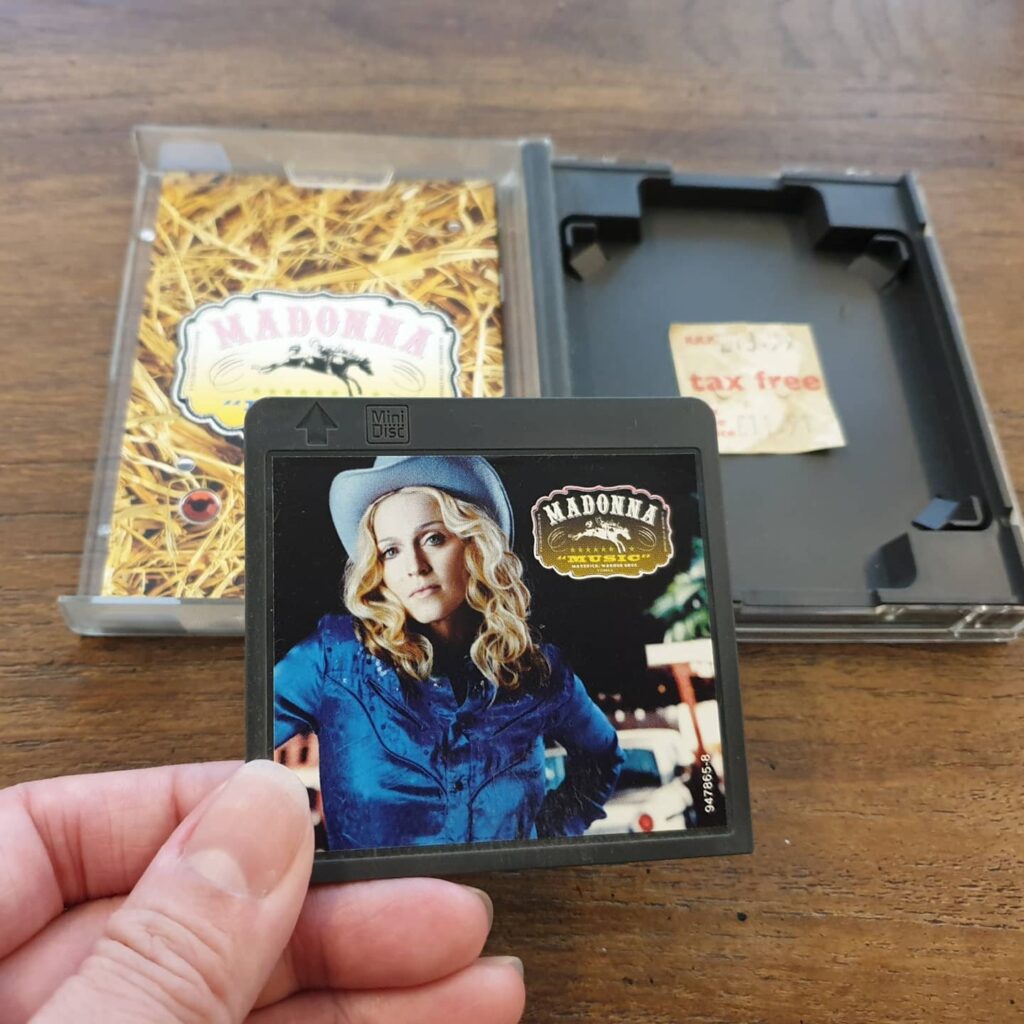
MiniDisc was primarily used by consumers recording their own discs, but the major music recording labels did produce prerecorded MiniDiscs from 1992 until the early 2000s. Sony leveraged their own music division (Sony Music/Columbia/Epic) to ensure there were prerecorded discs available. Other major labels followed suit, but the format’s adoption varied wildly by region.
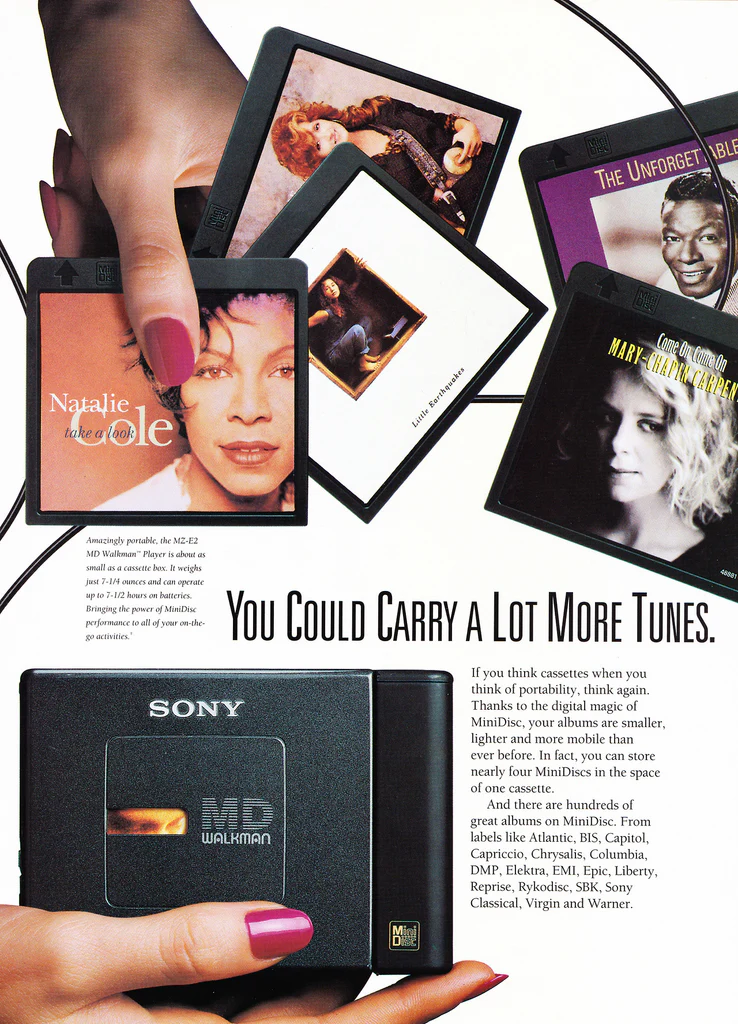
At its height of popularity, you could find major releases from the world’s biggest artists on MiniDisc. These were “pressed” at factories similarly to CDs, rather than recorded onto magneto-optical blanks. Some of the albums that were available on MiniDisc included Michael Jackson’s “Dangerous”, Mariah Carey’s “MTV Unplugged”, and albums from Celine Dion, Oasis, Pearl Jam, and Nirvana.
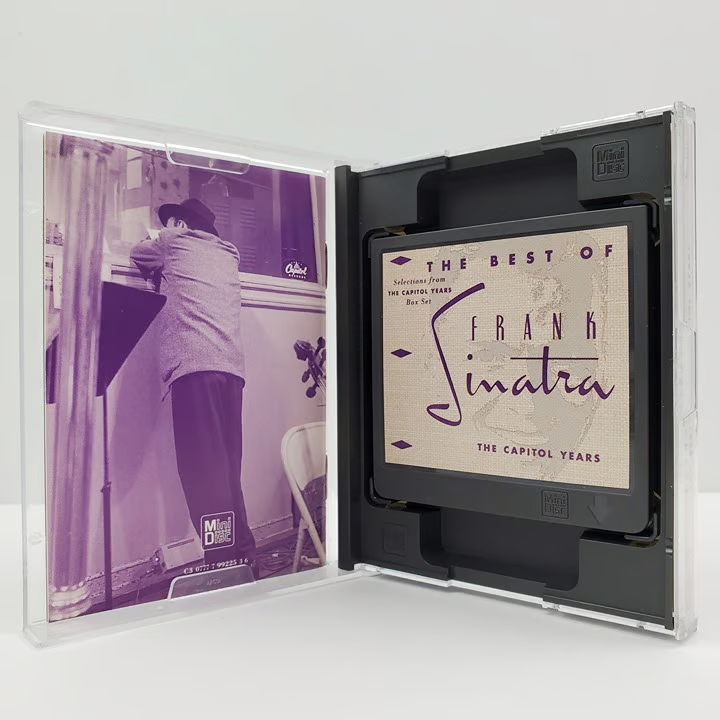
Beyond Sony, labels such as Warner Bros., EMI, Capitol, and Virgin released titles on the format, especially for the European and Japanese markets. If you were in Japan or the UK, finding prerecorded MiniDiscs in a HMV or Tower Records was common. In the US, however, many major retailers barely stocked them, making them feel like a niche “special order” item.
MiniDisc Impact
The MiniDisc (MD) is one of the most fascinating “middle children” of music history. Whether it was impactful depends on whether you’re looking at its technical legacy or its sales charts.
Was the MiniDisc impactful? Technically and culturally, yes. Even if it didn’t become the global standard Sony hoped for, it punched above its weight class in several ways.
It was the bridge between the analog cassette and the digital MP3 player. It offered the first affordable, portable way for the average person to digitally record audio with sophisticated editing features.
Sony developed the ATRAC audio codec for MiniDisc. While controversial among audiophiles at first, it pushed the boundaries of perceptual coding (deleting sounds the human ear can’t hear to save space), paving the way for the efficiency of modern streaming.
MiniDisc was very useful for audio professionals. Long after consumers moved on, radio stations and theater crews used MiniDiscs for “stings” and sound effects because of their instant start times and durability.
Was MiniDisc Successful Outside of Japan? The short answer is: not really. While it was a massive “lifestyle” success in Japan (where it held around 50% of the portable market at its peak), it struggled to find its footing in Europe and the Americas. There were a number of reasons for this:
- there was a “format war” with the Philips Digital Compact Cassette (DCC) format, which was released around the same time and likely confused consumers.
- The price of players was high outside Japan due to the high value of the Japanese yen; MiniDisc players were often $300 or more, and blank discs were significantly more expensive than high-quality cassette tapes.
- the “CD-R” Factor; just as MiniDisc was trying to gain ground, affordable CD burners for PCs arrived; many people preferred to burn a 74-minute CD that played in their car and home stereo rather than buying a new MD ecosystem.
- The arrival of the Apple iPod; the final “nail in the coffin”, the iPod (2001) arrived, a device that held 1,000 songs in your pocket made the 10-track MiniDisc feel obsolete overnight.
If you would like to learn more about the MiniDisc, there is an excellent “wiki” devoted to the format. There is information on the technology, a buyers guide, and a compendium of MiniDisc products. Just follow this link: www.minidisc.wiki/start
MiniDisc Induction into the Hi-Fi Hall of Fame
Although The MiniDisc never achieved global success like the Long Playing (LP) record, compact cassette, or Compact Disc (CD), it was an important “bridge” technology between the analog and digital eras. The MiniDisc should also be remembered as one of the last physical media formats to be introduced.
MiniDisc was also significant because it was one of the first technologies to employ a digital audio compression system, Sony’s “ATRAC”. Since then, codecs and compression technologies have become ubiquitous, and their performance has improved.
MiniDisc recorders and players introduced users to new features and capabilities that were not possible with older formats, features such as:
- “buffering” to prevent the music from skipping while the player was getting jostled
- easy editing of files, just like using a computer
- a clever cartridge design that was small, rugged, and protected the disc
- a “contactless” design that allowed the discs to be recorded up to a million times
- an instant start capability that made it ideal for professional use
For all of these reasons, the MiniDisc is inducted into the Hi-Fi Hall of Fame.