Hi-Fi Hall of Fame
People Inductee
David Williamson
Introduction
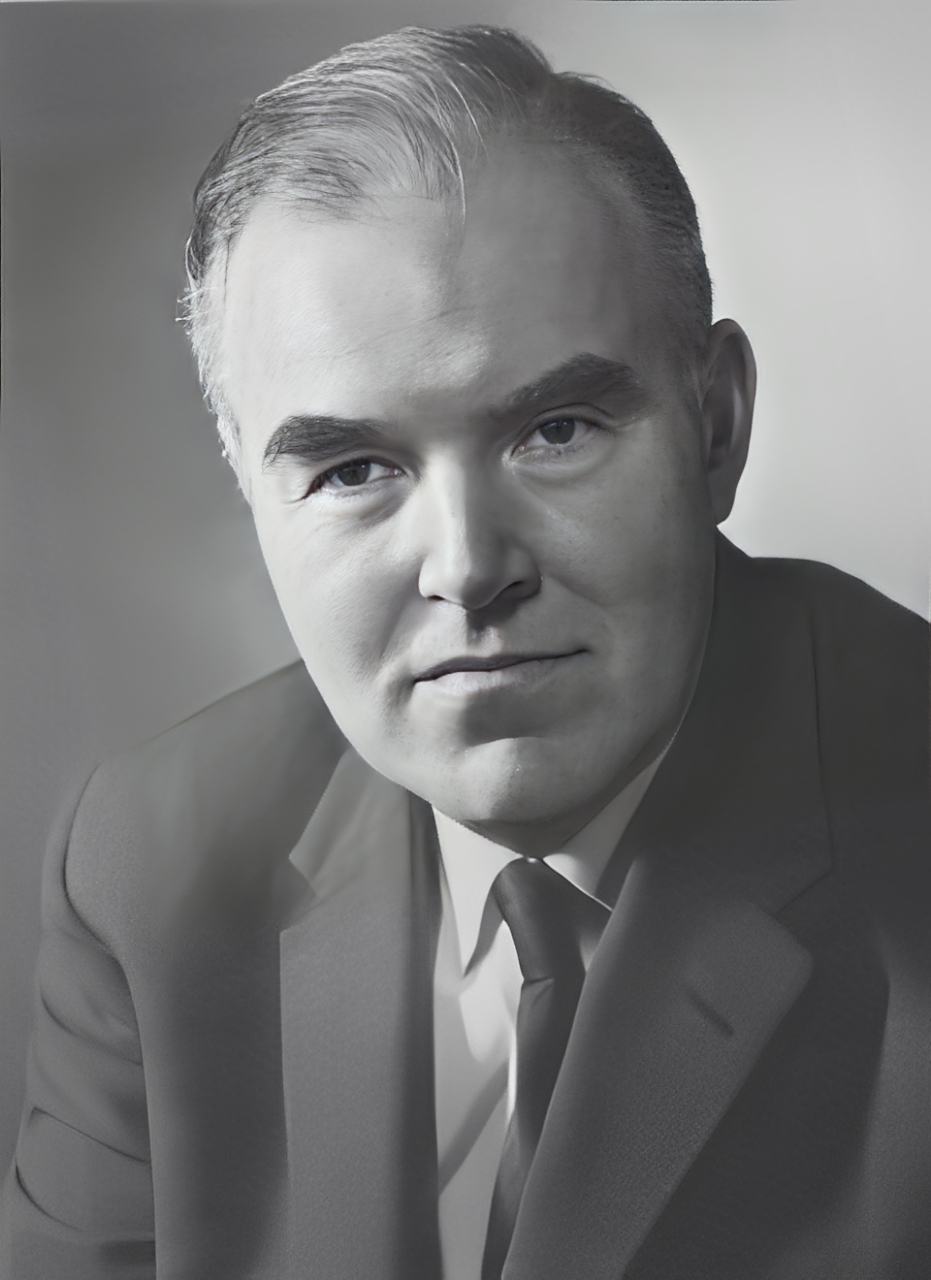
Our next inductee is a Scottish engineer named David Theodore Nelson Williamson. Among Hi-Fi enthusiasts, he is best known for his “Williamson amplifier” design. Let’s look at his career to see why he belongs in the Hi-Fi Hall of Fame.
David Williamson Upbringing
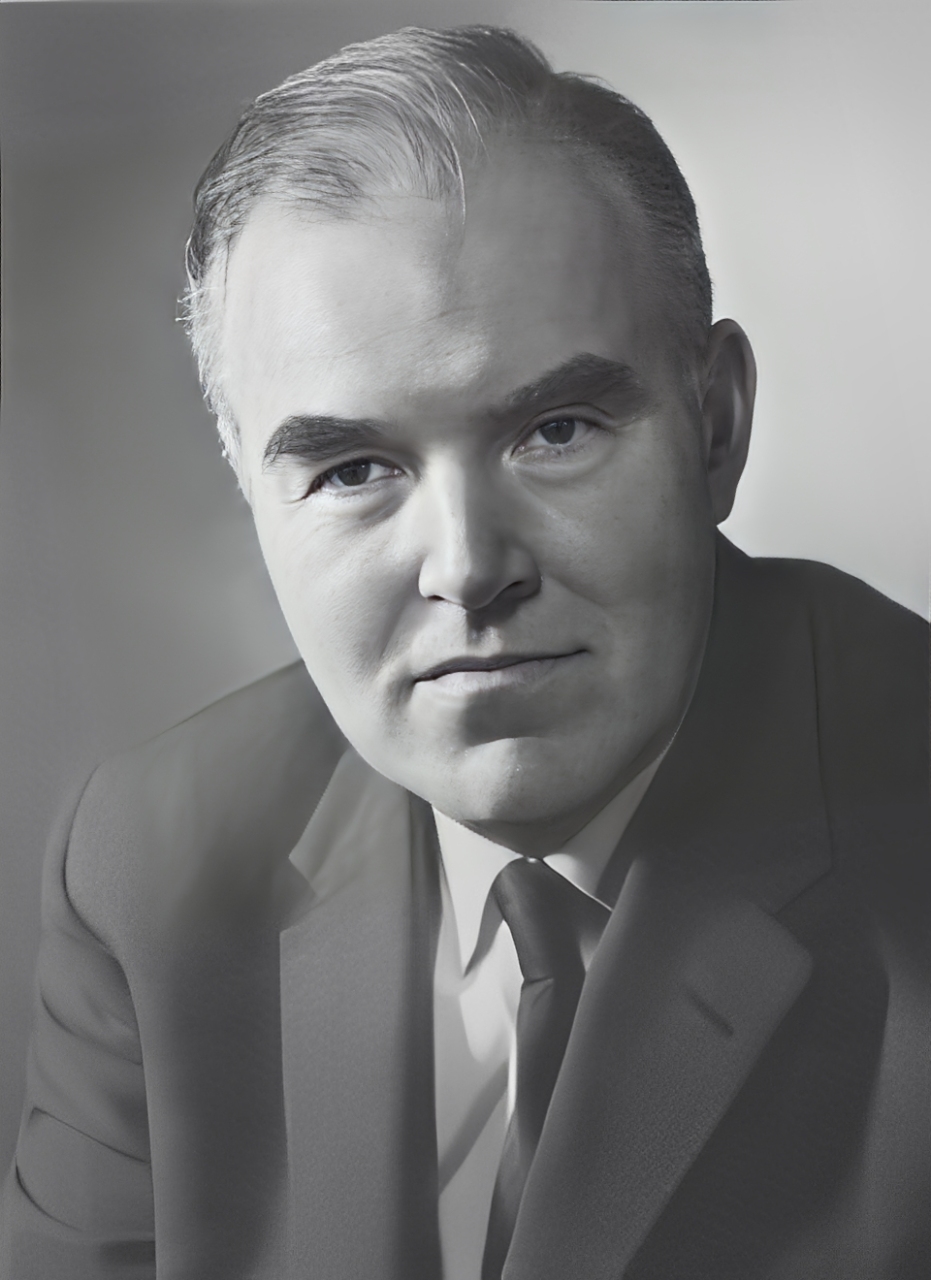
The legacy of Scottish engineering is often defined by titans like James Watt and Thomas Telford, yet many of its most profound contributions to modern life came from the 20th-century pioneers of electronics and automation. Among these, David Theodore Nelson Williamson (1923–1992) stands as a towering figure. A man whose career bridged the gap between vacuum tubes and high-precision computer-controlled manufacturing, Williamson’s work fundamentally altered the landscape of two seemingly unrelated worlds: high-fidelity audio and industrial automation.
Born in Edinburgh, Scotland, on February 15, 1923, David Williamson was raised in an environment that fostered practical ingenuity. His father, a car hire businessman, was a self-taught handyman who involved his children in everything from plumbing to the conversion of their home from gas to electricity. This early exposure to the “how things work” philosophy was augmented by a childhood obsession with radio. At the age of nine, after watching his father build a valve radio, Williamson began constructing his own transmitters and receivers.
Despite his brilliance, Williamson’s academic path was unconventional. While attending George Heriot’s School, he excelled in applied science, twice winning the school’s top prize. He enrolled in engineering at the University of Edinburgh in 1940, but the rigid curriculum of the time proved a poor match for his specific genius. He struggled with a mandatory mathematics examination and eventually left in 1943 without a degree. This setback, however, did little to hinder his career; his practical mastery of electronics was already years ahead of the standard curriculum.
The Williamson Amplifier: A Revolution in Sound
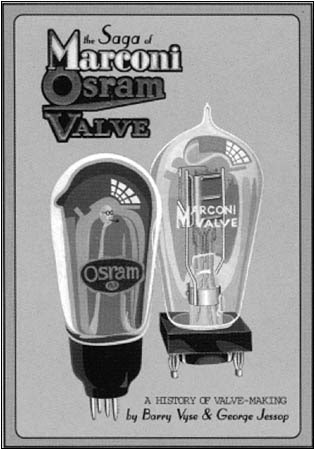
During World War II, Williamson was barred from active service due to scars on his lungs from childhood tuberculosis. Instead, he was drafted to work for the Marconi-Osram Valve Company in London. It was here, in the company’s applications laboratory, that he achieved his first major breakthrough.
At the time, audio amplification was plagued by high levels of harmonic distortion—often 5% or higher—which resulted in “muddy” sound quality. Working in his spare time, Williamson developed a circuit design using tetrode valves (the famous KT66) that utilized a high degree of negative feedback. The results were staggering: an amplifier that produced 20 watts of power with less than 0.1% harmonic distortion.
In 1947, he published his design in Wireless World magazine. Known simply as the Williamson Amplifier, it became a global sensation. Because the design was published for free, it launched the high-fidelity (Hi-Fi) movement, allowing hobbyists and small manufacturers to build amplifiers that offered unprecedented clarity. For the first time, the general public could experience “concert hall” sound quality in their own living rooms.
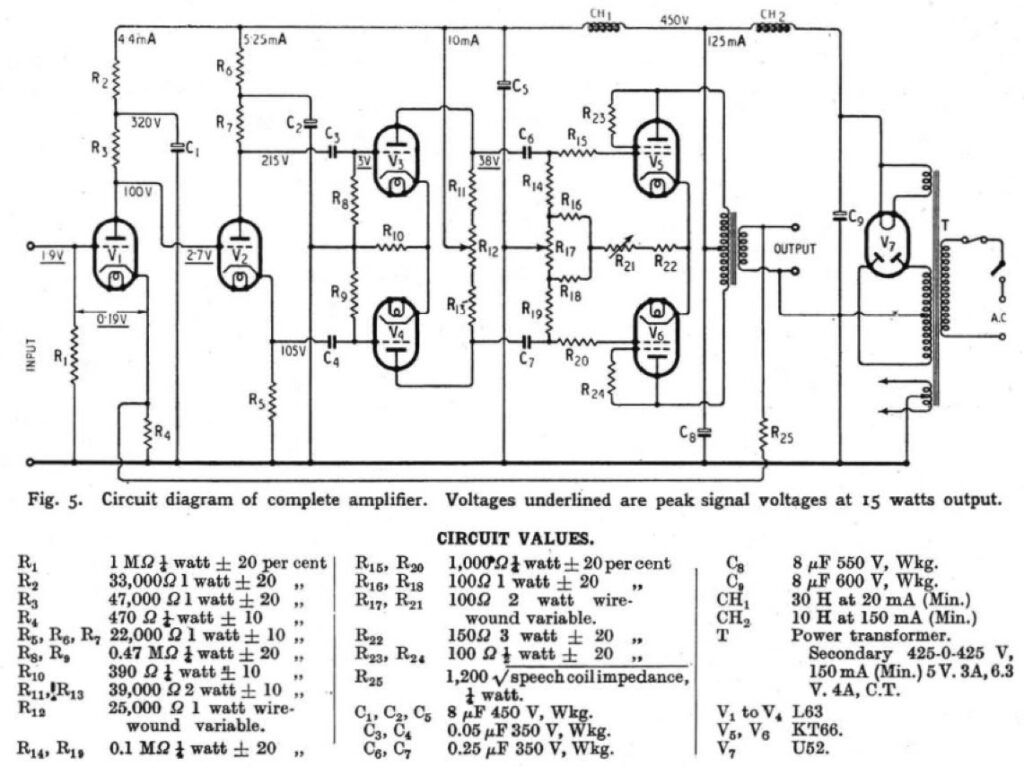
Many people built their own Williamson amplifiers from scratch, collecting the various components, designing the chassis, and assembling and testing the amplifier.
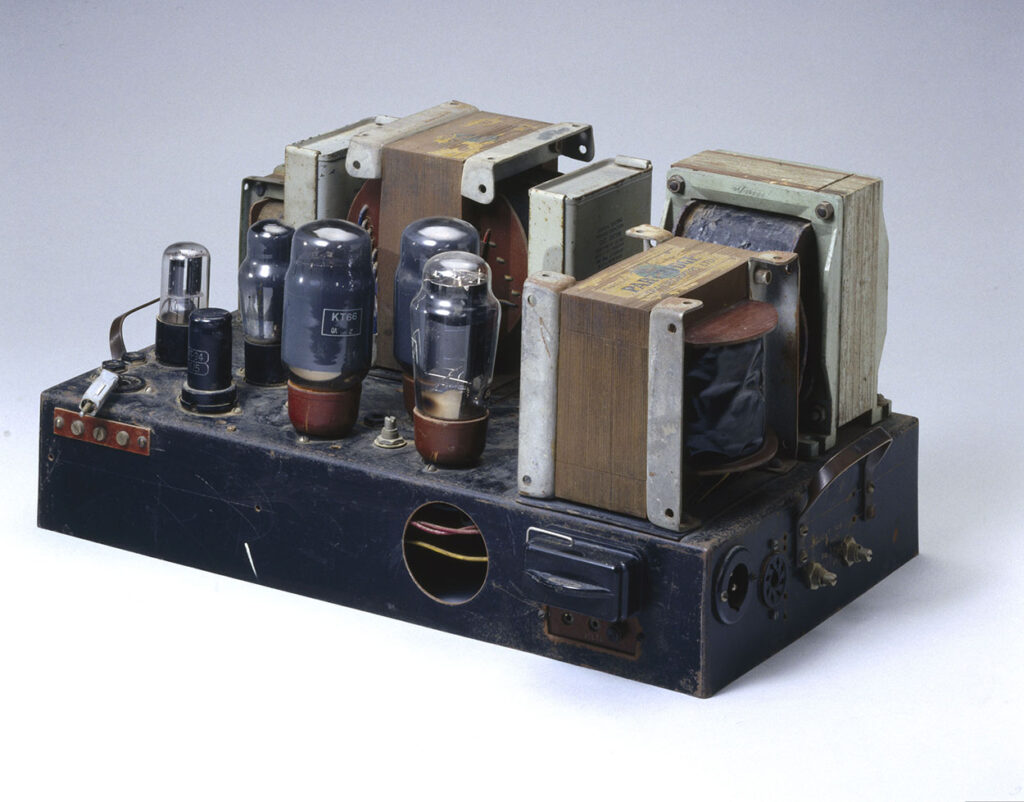
Williamson Amplifiers in Kit Form or Fully Assembled
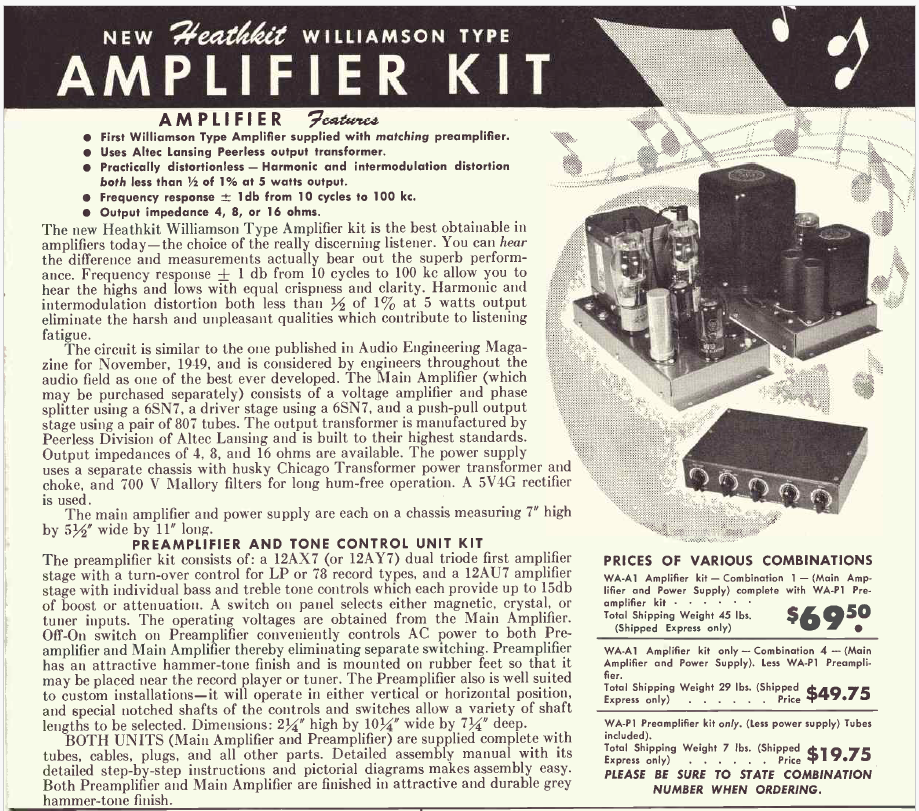
The Williamson amplifier was so popular that a number of companies offered ready-to-assemble kits, so that the enthusiast only had to purchase the kit and some tools to build their own amplifier. Other manufacturers produced fully assembled amplifiers. Here are some of the companies that offered versions of the Williamson amplifier.
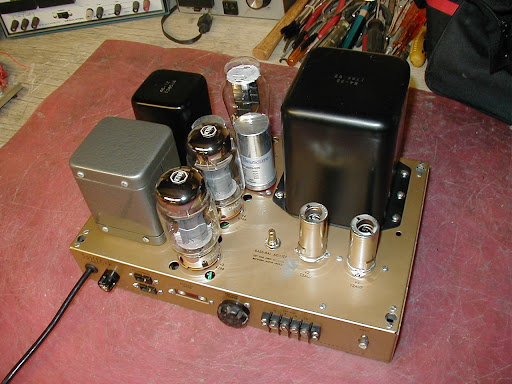
Heathkit (USA)
Perhaps the most famous producer of Williamson kits, Heathkit models W-1 through W-5M series were essentially Williamson circuits. The W-5M, in particular, is considered a “Gold Standard” among collectors today.
Radio Craftsmen (USA)
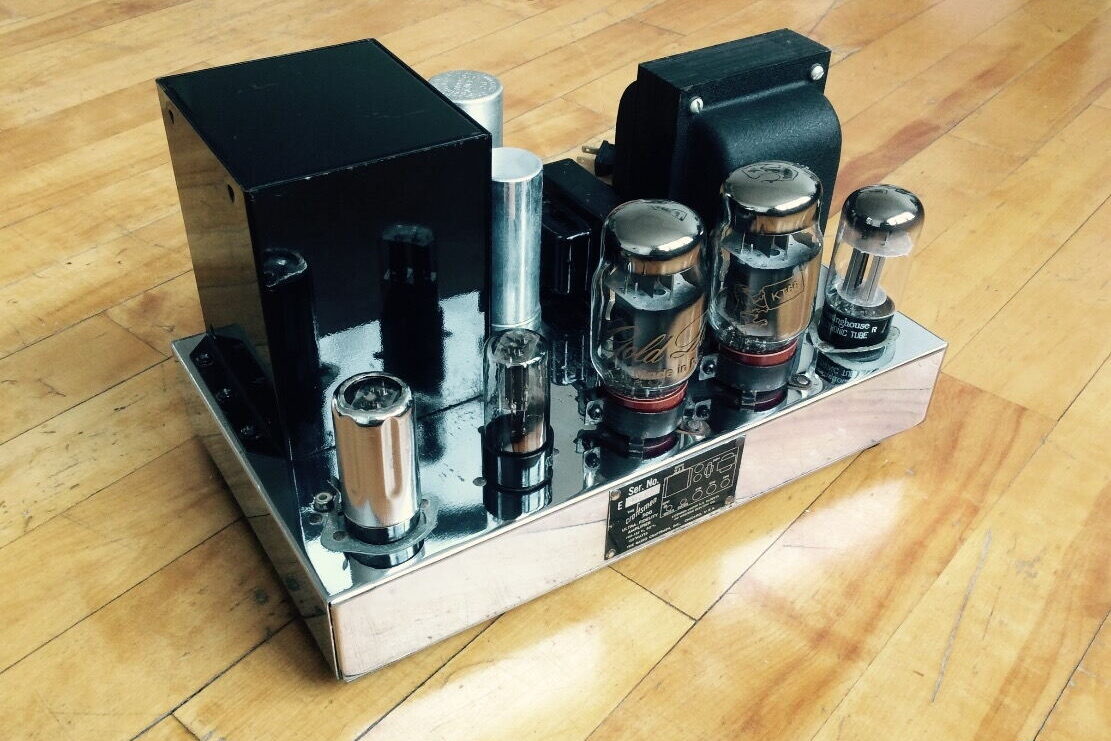
Radio-Craftsman was known for the C-500, which was a high-end implementation of the Williamson design and sold in large numbers.
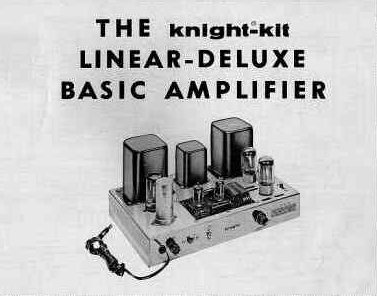
Knight-Kit, a division of Allied Radio (USA)
Knight-Kit produced several “Williamson-type” kits aimed at the hobbyist market, offering a more affordable entry point into Hi-Fi.
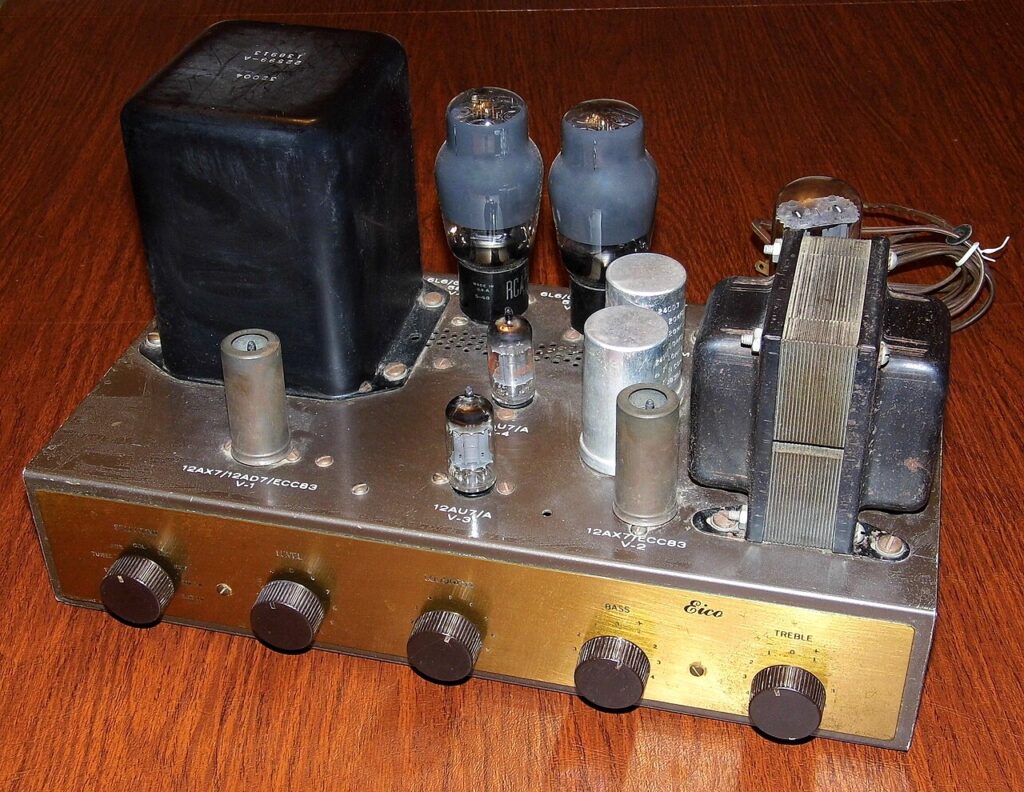
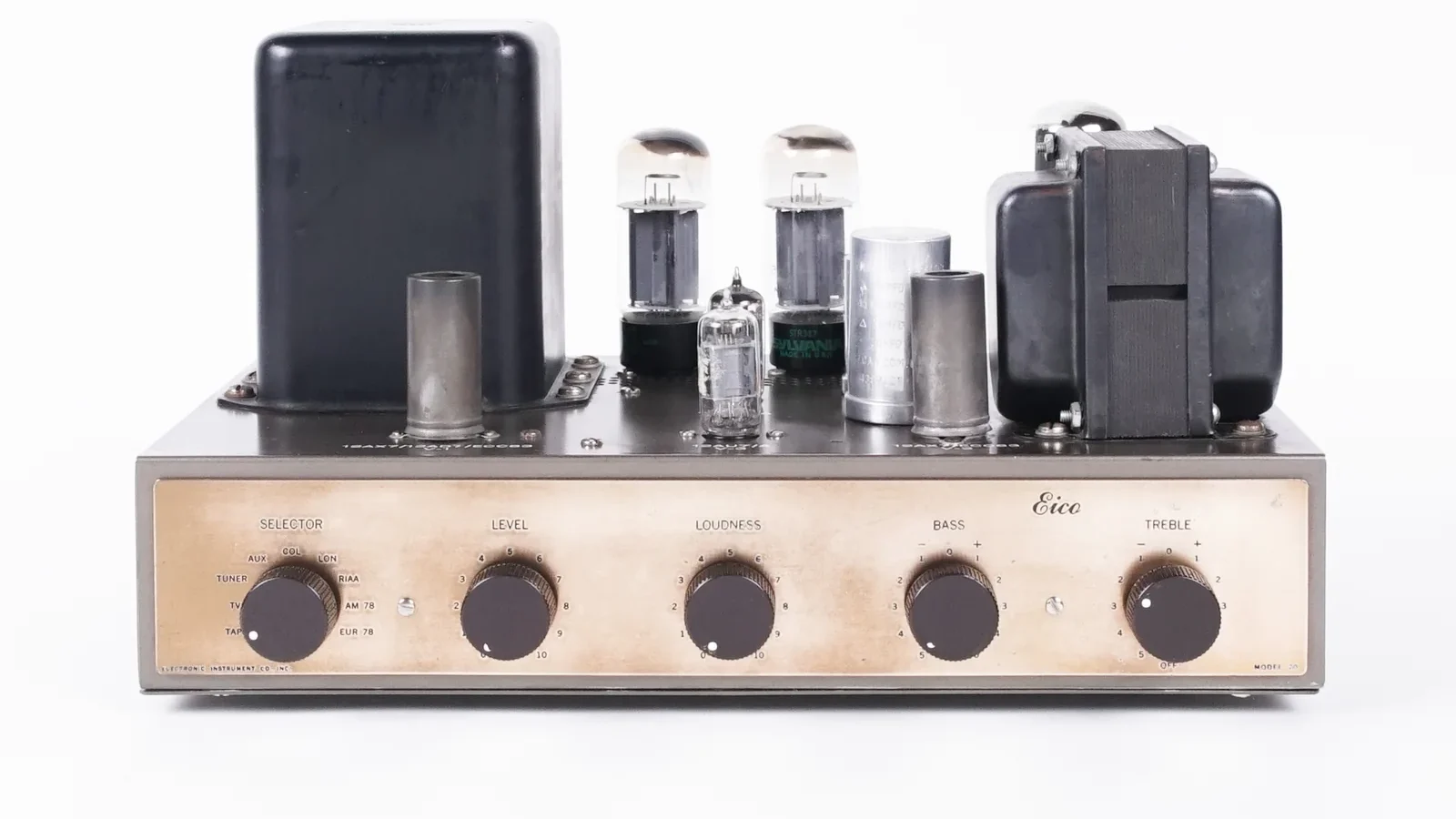
EICO (USA)
While later known for their own designs, early EICO amplifiers were heavily influenced by the Williamson topology. The EICO HF-20 was a Williamson design.
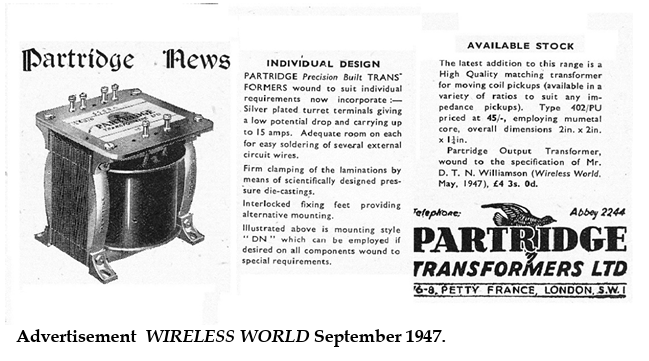
Partridge Transformers (UK)
While primarily a component maker, Partridge offered “official” Williamson transformer sets and detailed layouts that allowed hobbyists to build the amplifier from scratch. Many early kits were actually Partridge parts paired with a third-party chassis.
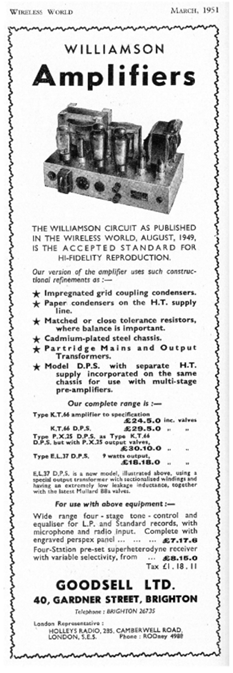
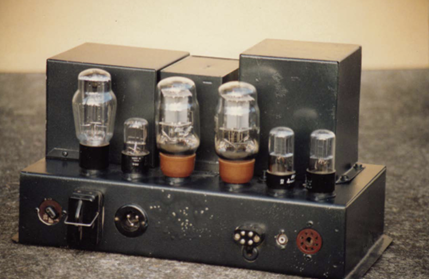
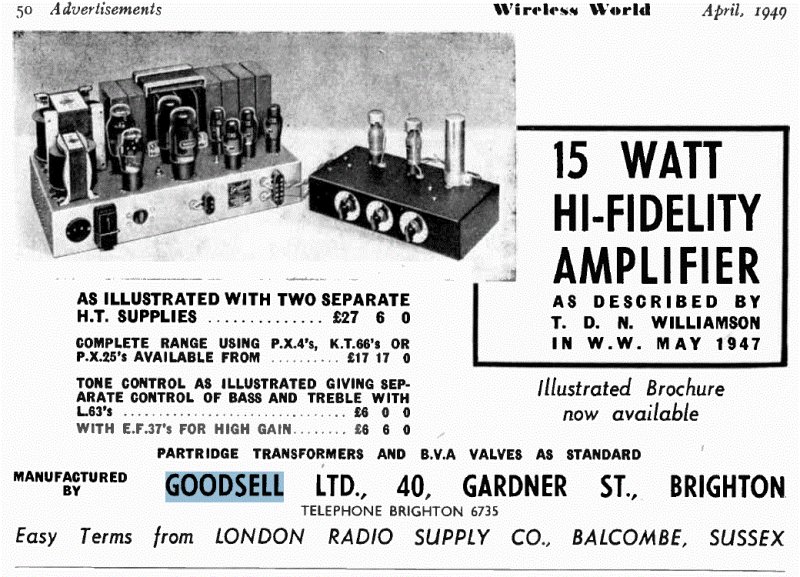
Goodsell (UK)
One of the first UK companies to offer assembled versions (the GW-12 and GW-18) and kits based on the Wireless World articles.
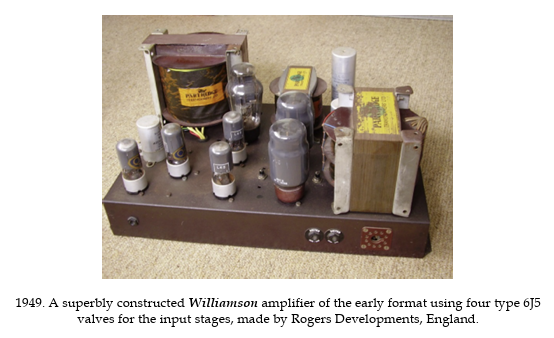
Rogers Developments (UK)
Rogers Developments produced the “Williamson” under their own brand, often using Partridge or Haddon transformers.
K.G.H. (Australia)
K.G.H. produced the Model 10/14A kit, reflecting the popularity of the design across the British Commonwealth. (Sorry, no photo available)
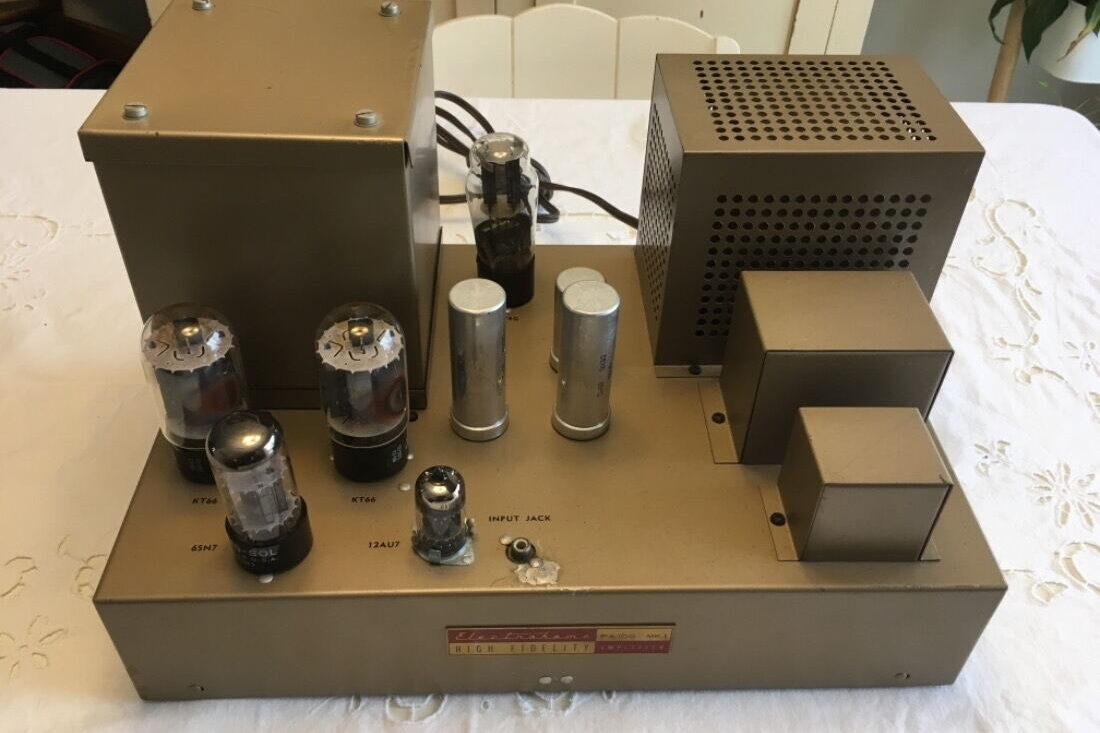
Electrohome (Canada)
Electrohome produced the PA-100 which was a manufactured version of the design for the North American market, often integrated into high-end radiograms.
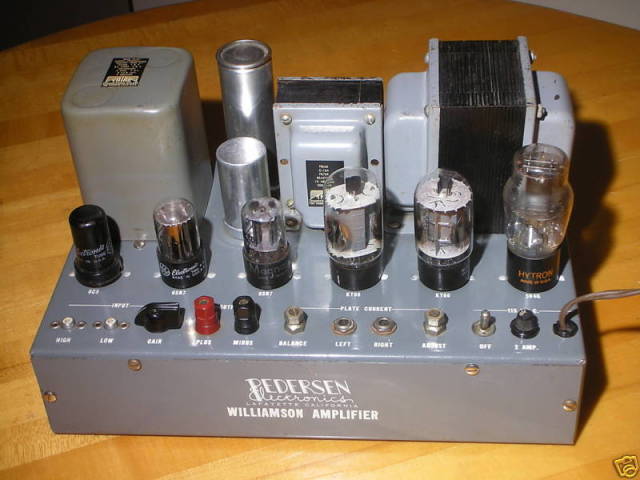
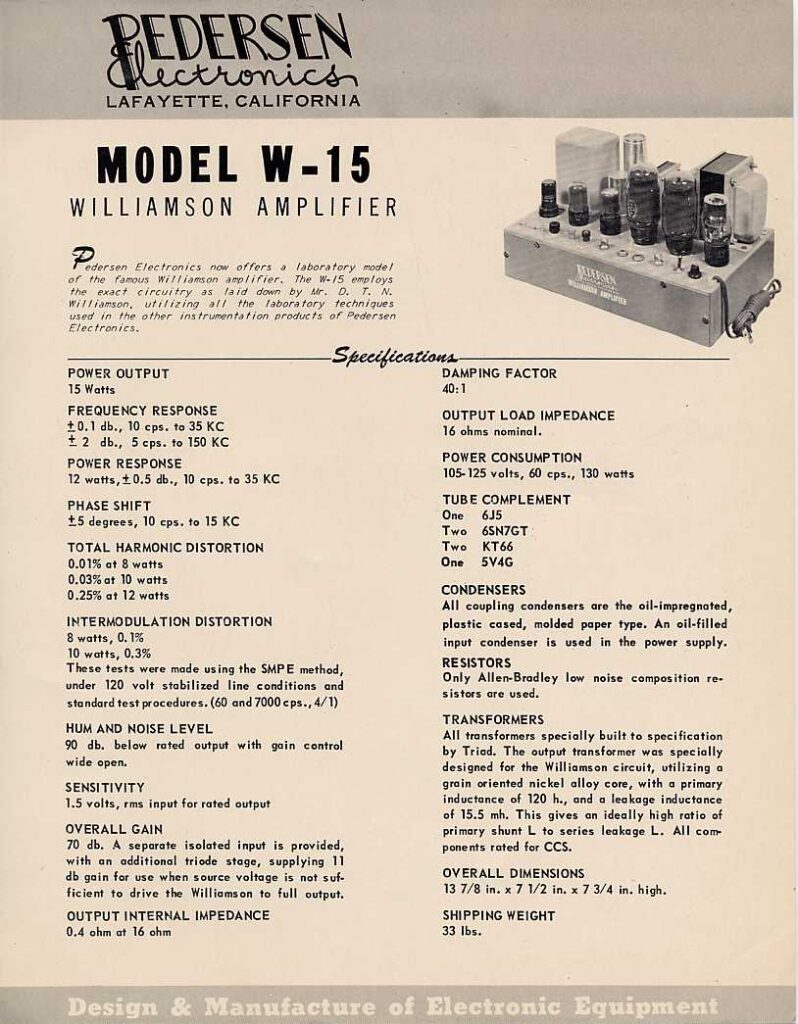
Pederson Electronics (USA)
Pederson offered a fully assembled version of the amplifier called the W-15.
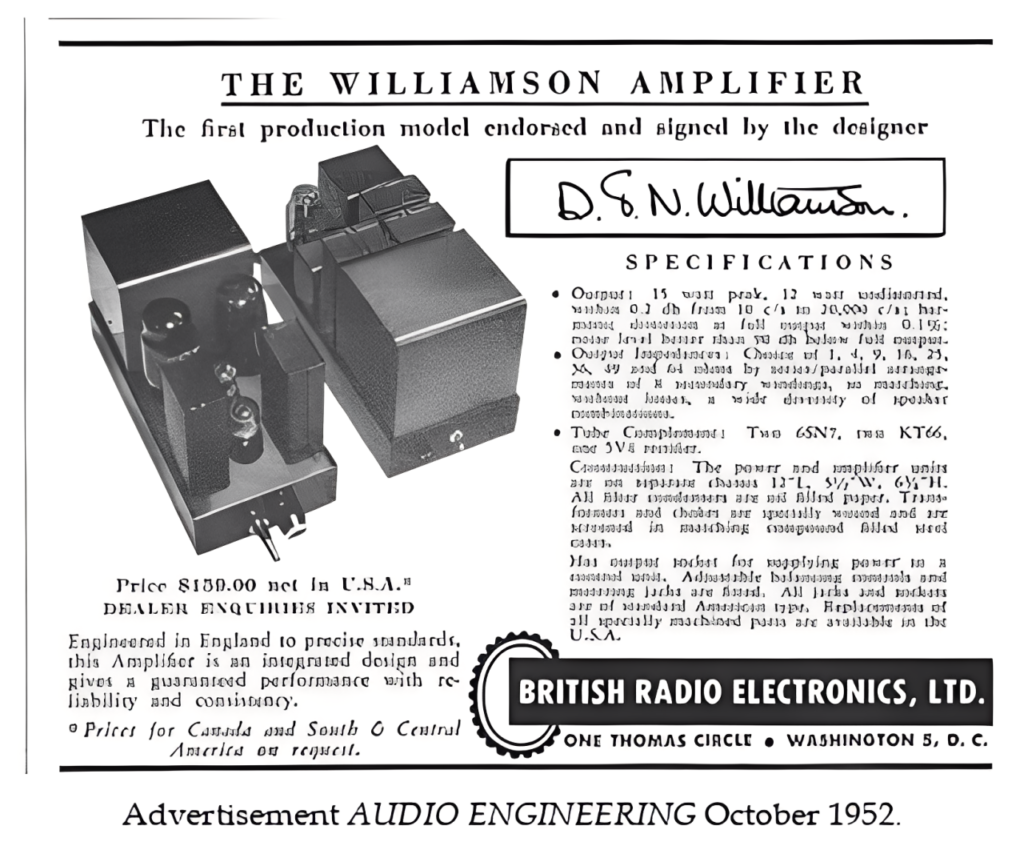
British Radio Electronics (USA)
Around 1952, perhaps just past the zenith of the Williamson amplifier’s popularity, an organization named British Radio Electronics marketed an amplifier in the USA, named the ‘Williamson Hallmark’ which claimed the distinction of being an authenticated version with Williamson’s signature engraved on the badge. British Radio Electronics was the brainchild of Fred Harris, an expatriate British ex-Serviceman friend of Williamson. The Hallmark amplifier was actually built in England by Peter Walker’s Acoustical Manufacturing Co (later known as QUAD) with Williamson’s agreement, in a sturdy two-chassis format.
Why Williamson Kits Were So Popular
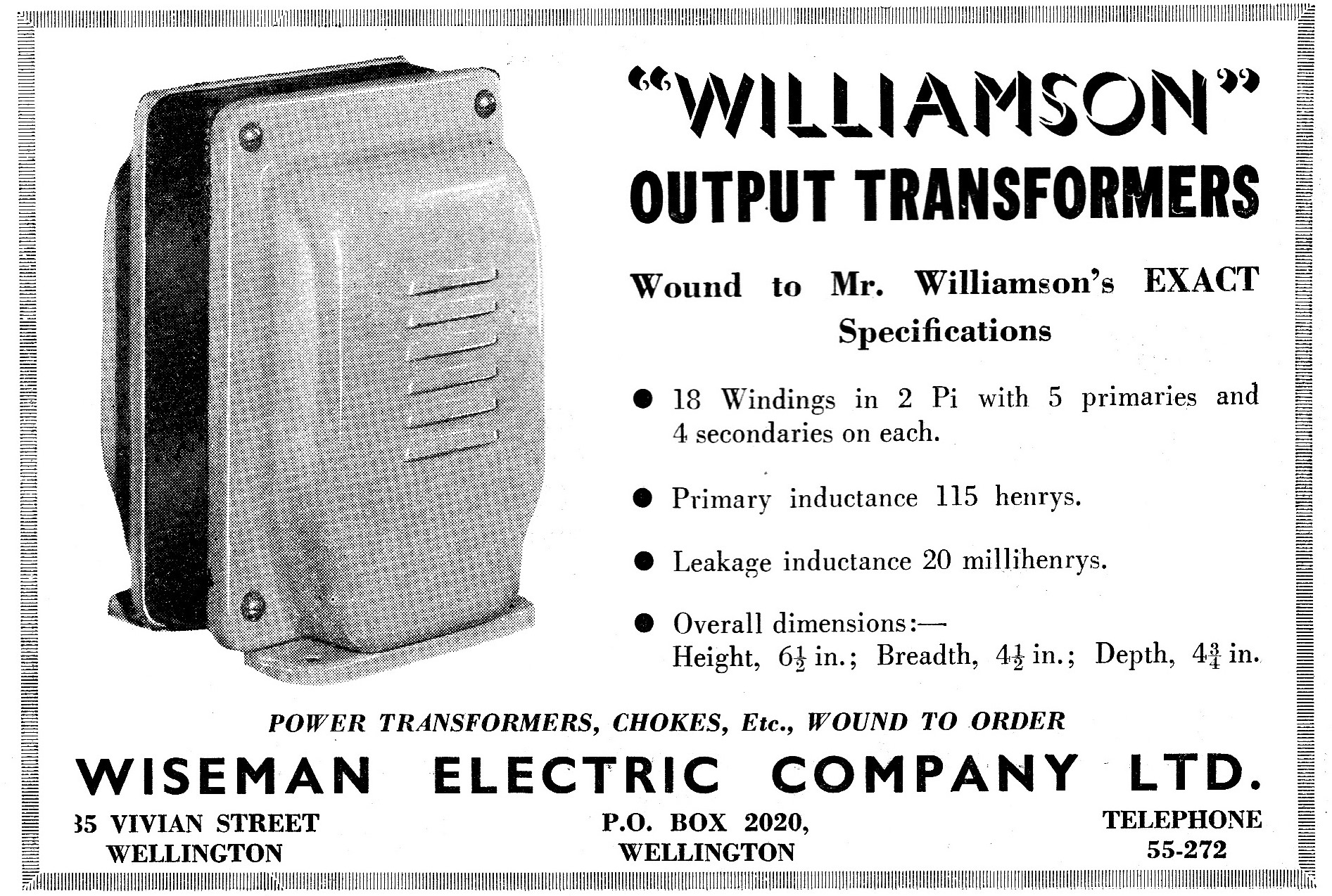
The Williamson design was notoriously difficult to build because it required large, high quality output transformers to remain stable under high negative feedback. If the transformer wasn’t suitable, the amplifier would turn into a high-frequency radio transmitter and burn itself out. Buying a kit from a reputable company like Heathkit or Radio Craftsmen guaranteed the user would receive a transformer that could handle the circuit’s demands.
David Williamson: A Pioneer of Industrial Automation
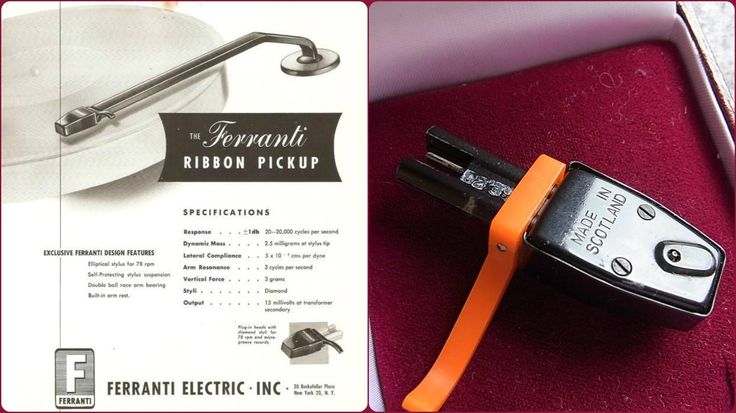
In 1946, Williamson returned to Scotland to join the Ferranti company in Edinburgh. While working there, he produced one final “treat” for hi-fi enthusiasts: a phono cartridge called the “Ferranti ribbon pickup”.
Later, Williamson shifted his focus from audio to the burgeoning field of industrial automation and control engineering. He became a key architect of numerical control (NC) for machine tools.
Before Williamson’s work, machining complex metal parts was a labor intensive process requiring highly skilled manual operators. Williamson envisioned a system where a computer could read instructions from magnetic tape and guide a cutting tool with submillimeter precision. This led to the development of the Ferranti Mark I control system. This was not merely an incremental improvement; it was the birth of Computer Numerical Control (CNC), the technology that today underpins almost all modern manufacturing, from aerospace components to smartphone casings.
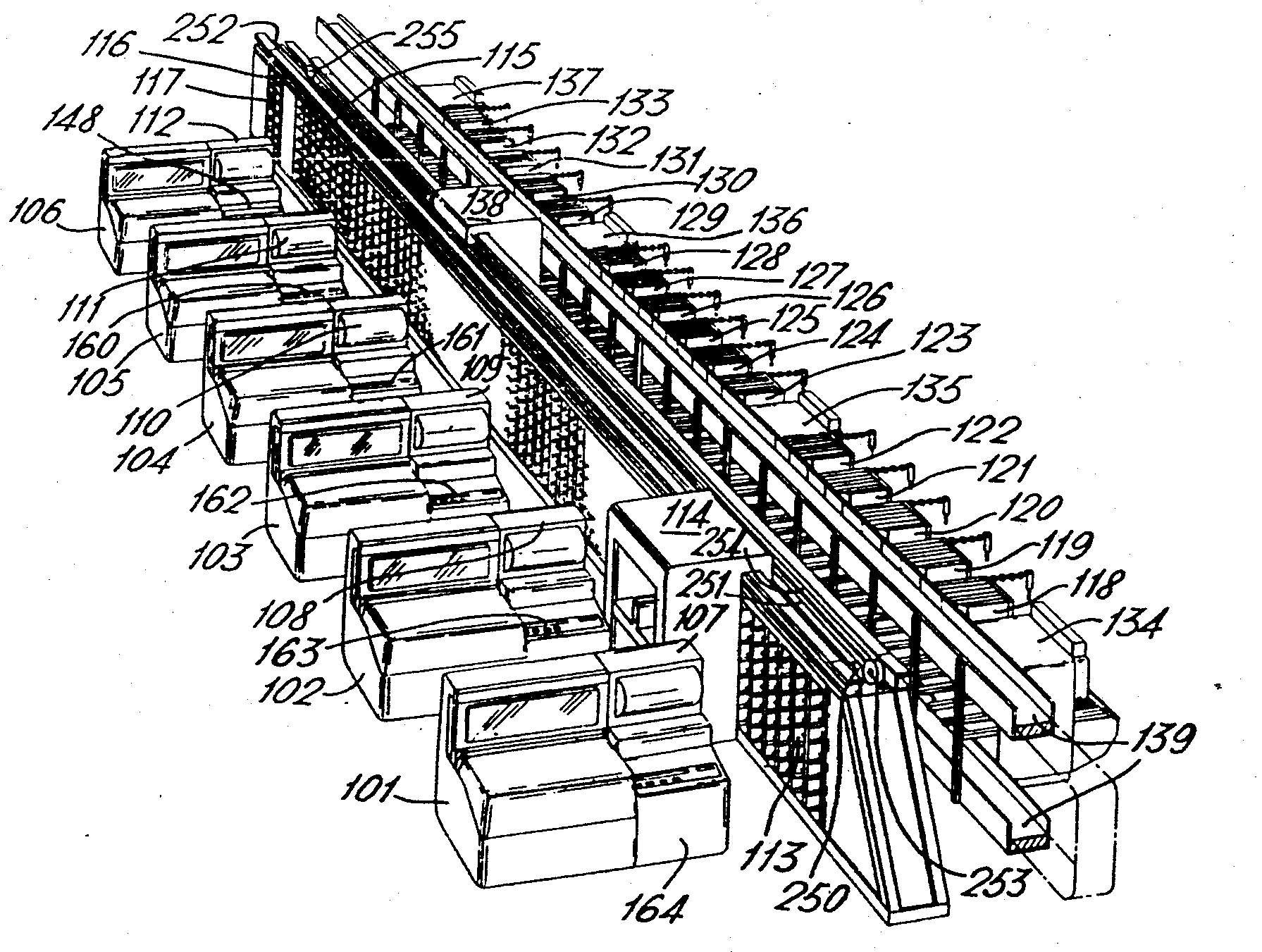
In the 1960s, while working for the Molins Machine Company, Williamson took his vision of automation to its logical conclusion. He developed the Molins System 24, arguably the world’s first “flexible manufacturing system” (FMS).
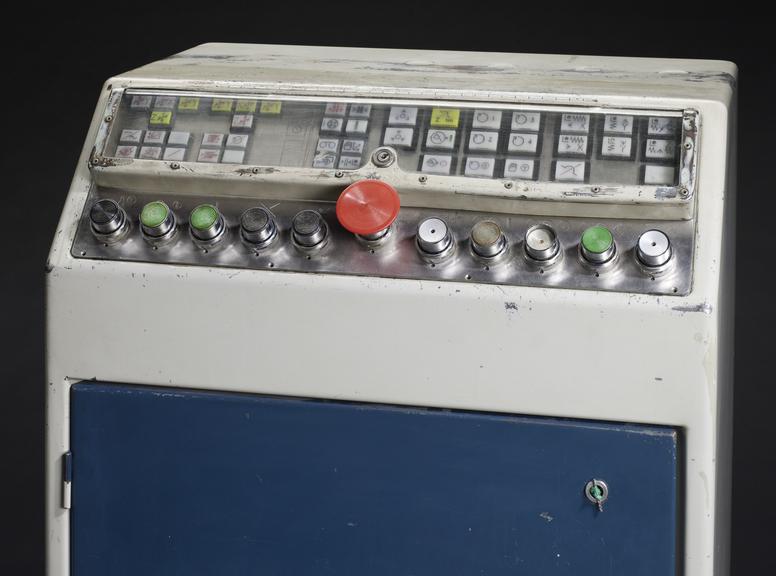
System 24 was a series of modular, computer-controlled machines linked by an automated conveyor system. It was designed to run 24 hours a day with minimal human intervention, capable of switching between different part designs instantly. Although the system was decades ahead of its time and commercially difficult to sustain in the 1960s, its principles: just-in-time production, modularity, and total automation became the blueprint for the “smart factories” of the 21st century.
Legacy and Later Life
David Williamson’s career was defined by an ability to see the future of technology long before it became reality. His contributions were recognized by the scientific community with his election as a Fellow of the Royal Society (FRS) in 1968, a rare honor for an engineer without a formal university degree. He eventually received honorary doctorates from both Heriot-Watt University (1971) and the University of Edinburgh (1985), the very institution he had left decades earlier.
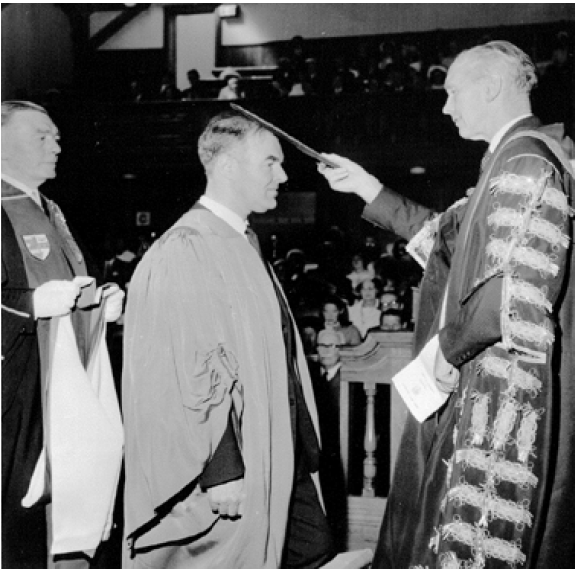
After a final stint as Group Director of Engineering at Rank Xerox, Williamson retired in 1976. He spent his later years in Italy, passing away in 1992.
Today, every time an audiophile enjoys a crystal-clear recording or a factory floor hums with the precision of robotic arms, they are experiencing the direct lineage of David Williamson’s work. He remains one of Scotland’s most understated yet influential engineers.
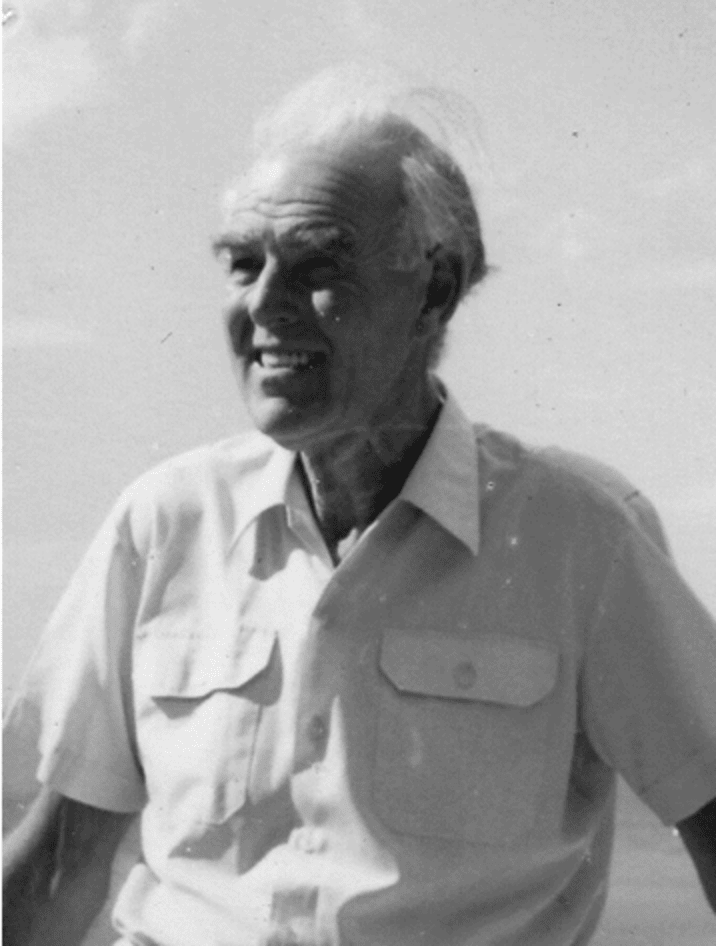
David Williamson: Induction into the Hi-Fi Hall of Fame
Despite a relatively brief career in the audio industry, David Williamson left an indelible mark by designing the iconic Williamson amplifier. In a remarkable act of generosity, he released the design to the public for free, providing a catalyst for the fledgling home high-fidelity movement.
Williamson’s decision helped to spark a global phenomenon:
- Empowered Hobbyists: Thousands of enthusiasts built their own Williamson amplifiers, mastering technical skills while discovering a passion for high-quality sound.
- A New Industry: The demand for parts and kits birthed legendary companies such as Heathkit, EICO, and Dynaco.
- The Golden Age: Alongside titans like Harold Leak, Peter Walker, Avery Fisher, David Hafler, Saul Marantz, Masaru Ibuka, Akio Morita, and Hermann Thorens, Williamson helped transform “Hi-Fi” from a niche interest into a global industry with millions of dedicated audiophiles.
In recognition of his groundbreaking engineering and his selfless contribution to the Hi-Fi community, David Williamson is inducted into the Hi-Fi Hall of Fame. His legacy continues to resonate in every home where high-fidelity sound is cherished.